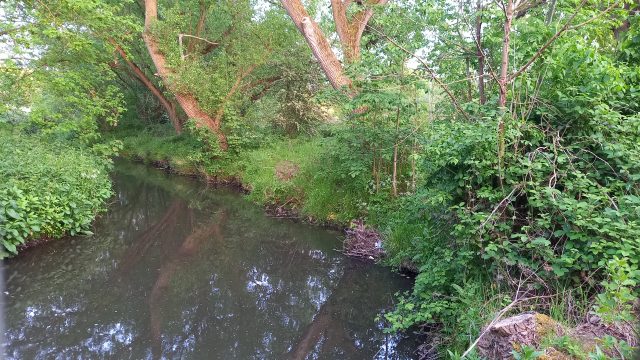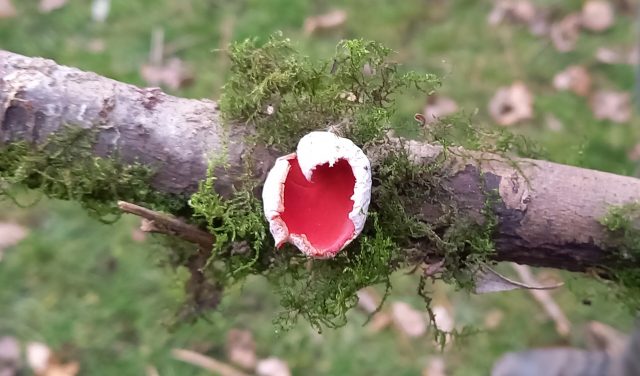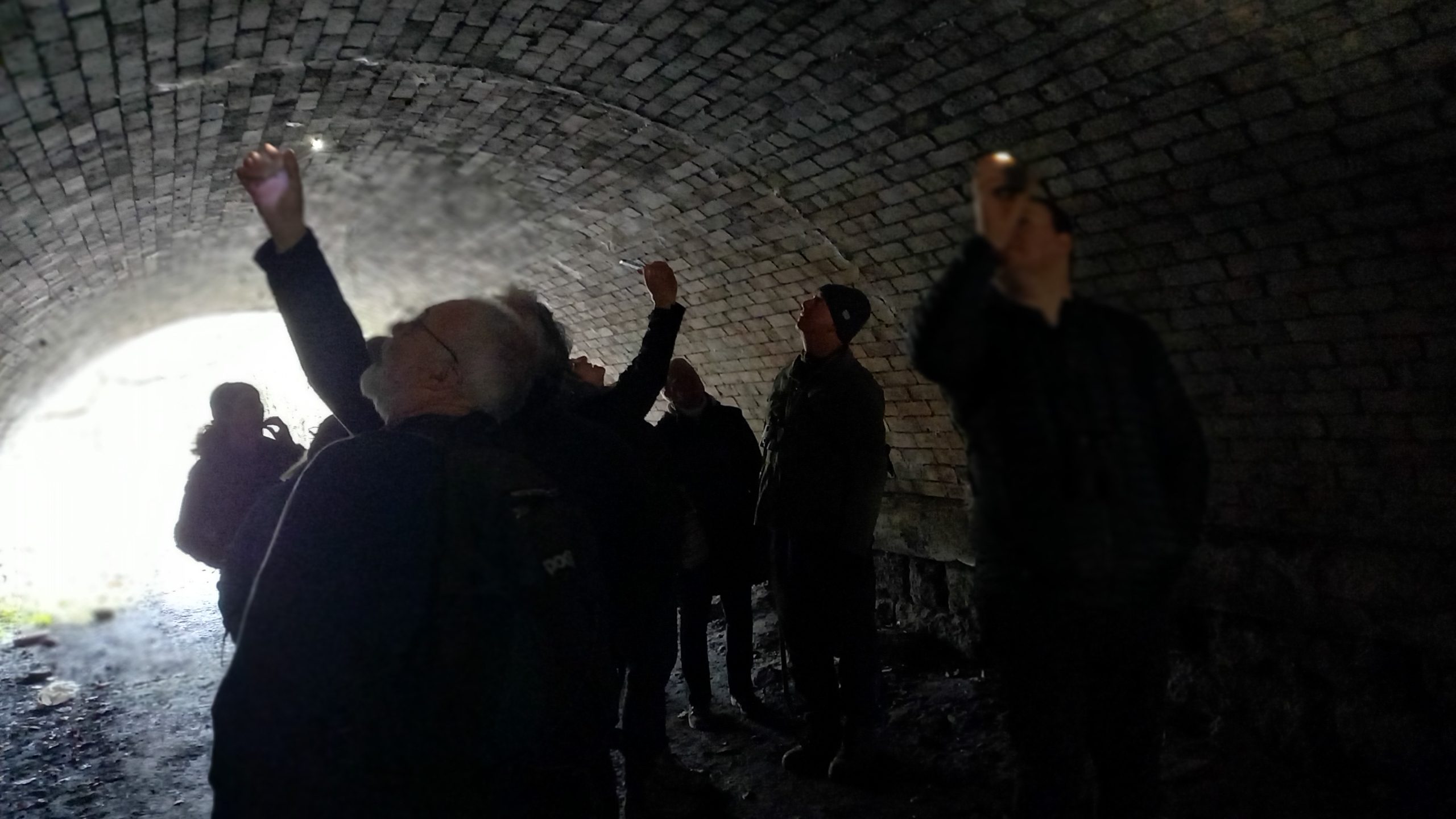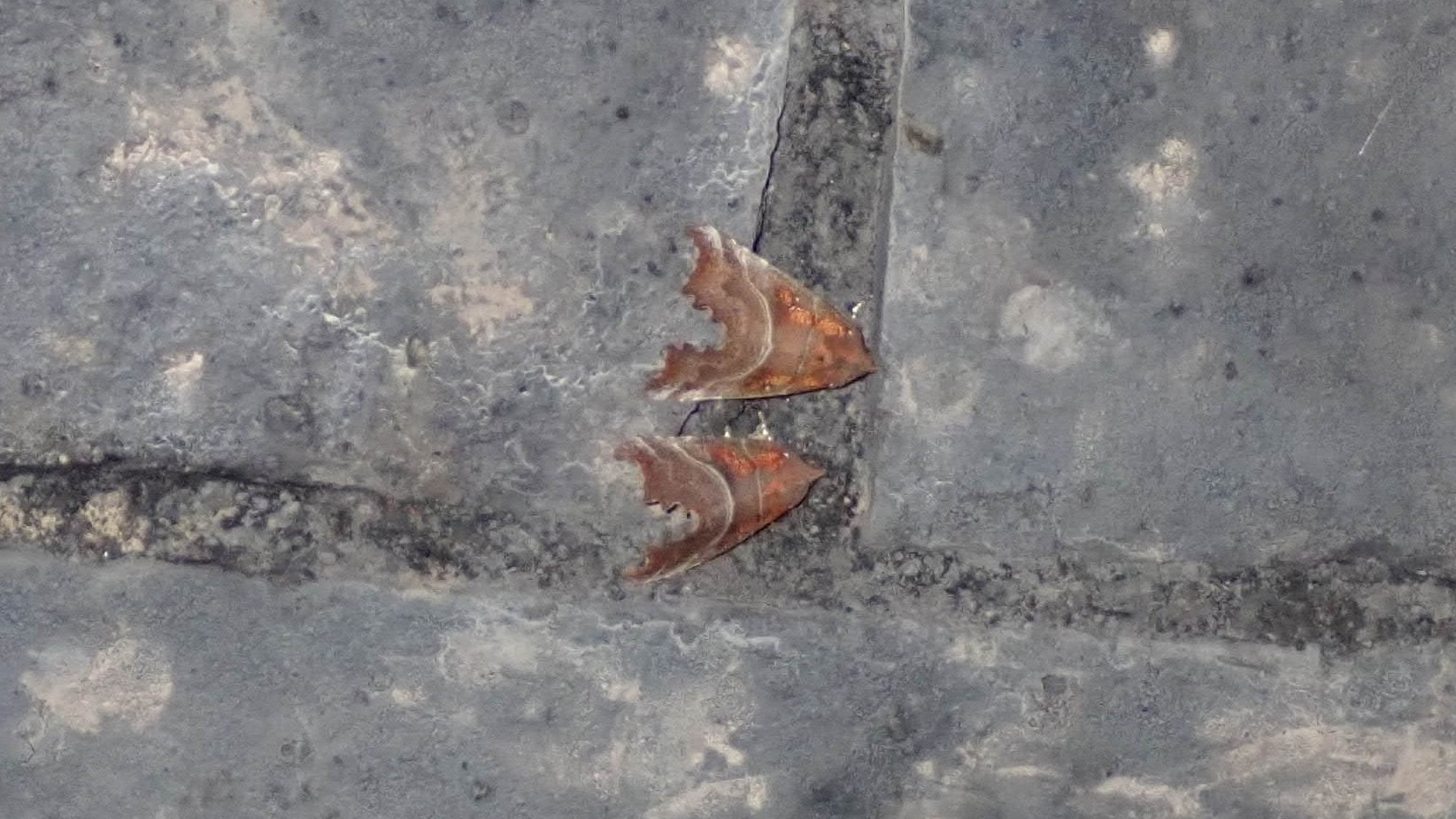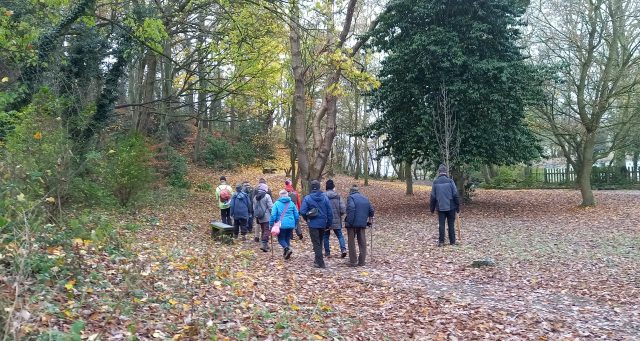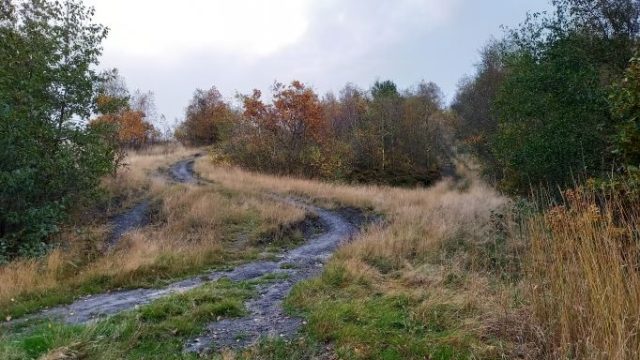
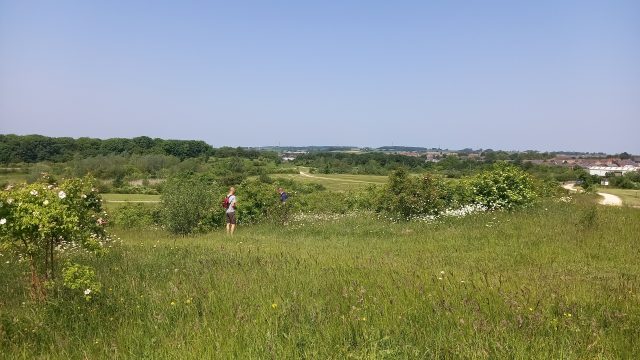
On our field visit on Saturday 13 May to New Hall Farm, between Ardsley and Darfield, David and Helen Rhodes showed us their approach to arable farming which aims to encourage wildlife whilst ensuring their farm is viable; they maintain hedgerows and hay meadows, and have a variety of features that support birds, insects and other wildlife. It was a really interesting visit.
More later.
Category: Field visits
Adwick washlands : April 22nd 2023
Our Saturday 22nd April field visit to Adwick washlands, was led by Linda Graham in association with Colin and Linda’s birdwatching group. It’s a familiar area of farmed fields transformed into wetlands, wet grassland and marshes; a rich site for breeding waders including Avocets.
A total of 56 bird species were seen, the highlights included Lapwing chicks, many Avocets on eggs, a Spotted Redshank, 2 Bar Tailed Godwits, a Sandwich Tern, a House Martin, 2 Sedge Warblers, a Reed Warbler and a Kingfisher.
Field visit: Veteran trees at Cannon Hall : 18 March 18th 2023

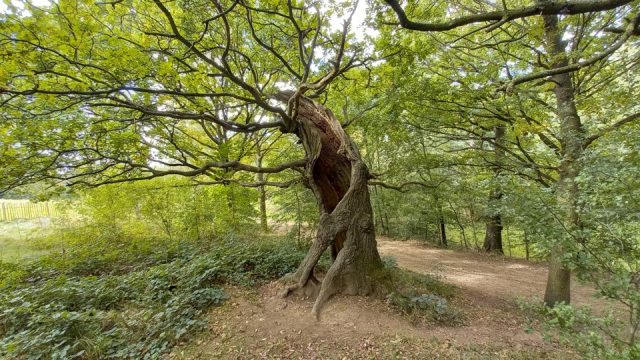
Around 20 people joined our field visit that was postponed to Saturday 18th March to measure some veteran trees at Cannon Hall. We mainly looked at the notable oak trees below the stream and lake, coming back past the old yew tree.
If you’d like some information on ancient and other veteran trees, and how to recognise them, just let us know.
Carlton Marsh Field Visit : February 11th 2023

Now with SSSI status, its mix of reedbed, fen, scrapes, marsh, meadows and wet woodland makes Carlton Marsh a great place to visit, in any season.

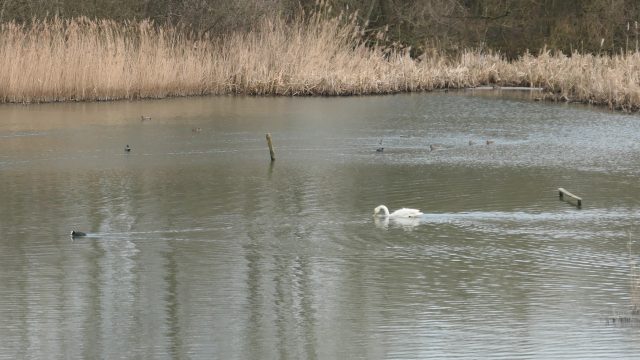
It was quite quiet when we visited; we were pleased to see the two Whooper swans, as well as mallard, moorhen, gadwall and almost 20 teal; and in the bushes some dancing long-tailed tit. And of course we looked at the fungi, lichens and plants.
A highlight was searching for over-wintering herald moths!
https://www.ywt.org.uk/nature-reserves/carlton-marsh-nature-reserve
Field visit to an icy Elsecar : December 10th 2022

We had a great frosty time on Saturday 10th December viewing the birds in the open water left free of ice on Elsecar reservoir with more Great Crested Grebes than usual. And a Water Rail spotted briefly coming out on the ice.
We started by going into the woods near Elsecar Heritage Centre to immediately hear and see a Great Spotted Woodpecker.
Spotting the remaining fungi as well: including Oyster mushroom(Pleuratu ostreatus), Sulphur Tuft(Hypholoma fasciculare) and Willow Bracket(Phellinus igniarius).
Then retiring to the Milton Arms or the Teepot Cafe.
Birds of Open Water at Anglers Country Park : November 23rd 2022
On Saturday 12th November we have a field visit to Anglers Country Park for the birds of open water and scrub; looking for fungi as well. We will start with the hide(s) and go on round the water and possibly into some woodland areas.
We are meeting at 10 am in the main car park at Anglers Country Park, Haw Park Lane, Wintersett, WF4 2EB, grid reference: SE375153.
Car parking free for 2 hours, £2 for 3 hours.
Fungi at Dodworth pit-stack : October 8th 2022

After looking for fungi at a number of sites we decided to go back to Dodworth Stack on Saturday, 8th October. We had a productive and enjoyable visit; our thanks to Doug for arranging and leading this field visit. Watch out for his report.
Worsbrough Country Park for galls : September 10th 2022
Saturday September 10th, 10.30 am: A visit to Worsborough Mill Country Park , looking in particular for plant galls. We had have the benefit of Tom Higginbottom and some other members of the Plant Gall Society. More on what we found to follow.
Batting in Dearne Valley Country Park : August 24th 2022
Our Wednesday 24 August evening field visit was a walk around Dearne Valley Country Park. We had a general look around the park along the canal, before using our bat detectors to identify the different bat species when it started to get dark.
The highlight of the evening was seeing the Daubenton bats skimming insects off the surface of the water. We had five species: three pipestrelle, noctule and Daubenton.
Thanks to Mark and Kevin for their support. It was good to have a number of bat detectors for people to try out.
Wall Browns: Walking in Alwyns’ Footsteps : August 13th 2022
In the summer we intend to have a field visit walking in Alwyn Timms’ footsteps, looking for Wall Brown butterflies on the patch where he recorded them. We will follow a route from Royd Moor viewpoint that Alwyn Timms took us on to count Wall Brown butterflies. Meeting at Royd Moor viewpoint, 10.00am, Saturday 13 August.
Brockadale Nature Reserve: July 23rd 2022
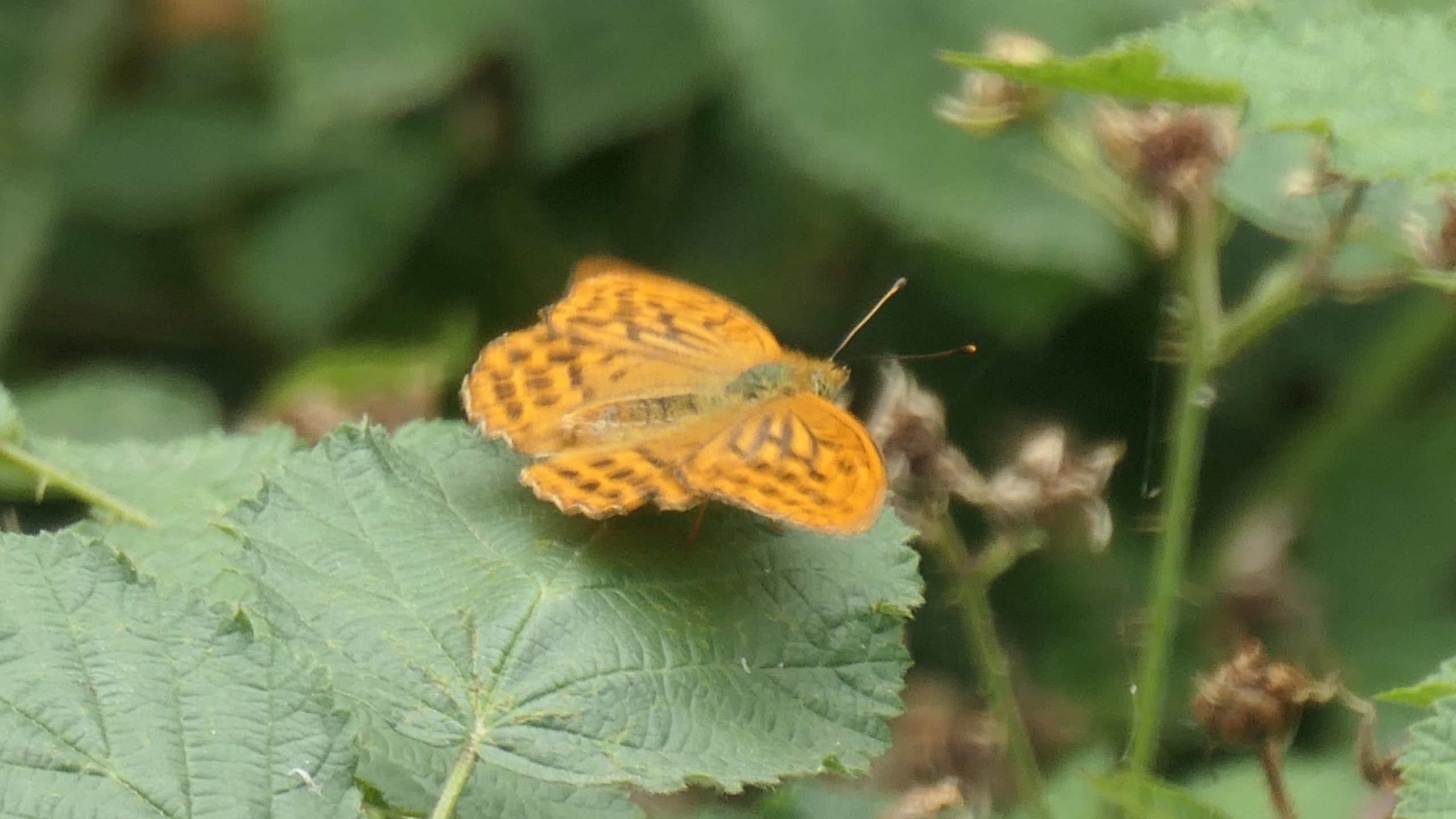
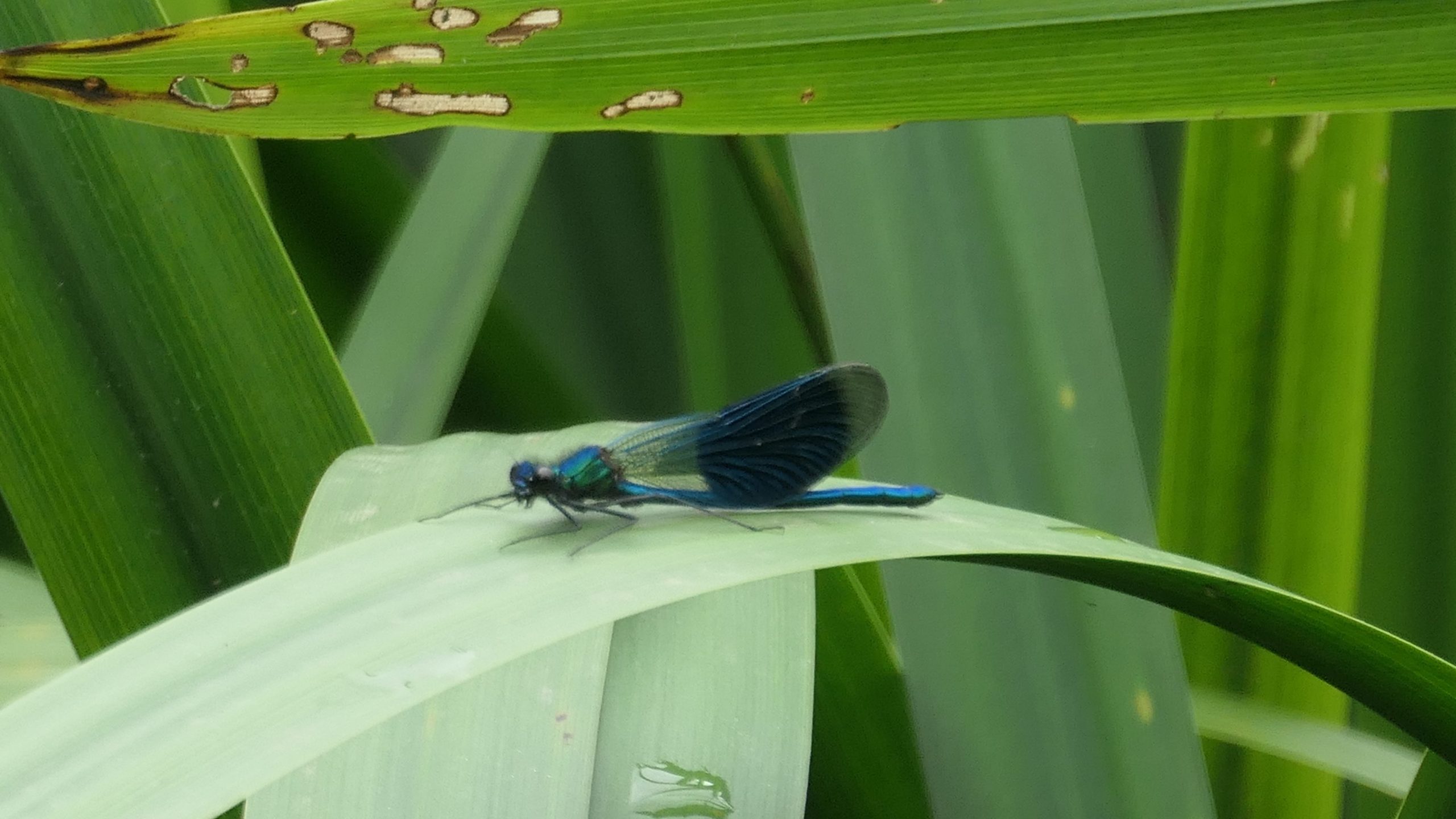
Five Barnsley naturalists joined the Yorkshire Naturalist Union (YNU) field visit to Brockadale Nature Reserve. It’s a varied site on magnesium limestone. Although the meadows were somewhat parched, highlights for us included sightings of Silver-washed Fritillary and copious Banded Demoiselles over the river Went.
Counting glowworms : July 13th 2022
Five Barnsley Naturalists and one interested walker on the TransPennine Trail (TPT) joined Doug late in the evening of Wednesday 13 July in his twice weekly count of glowworms during the summer on the TPT near Thurgoland.
Both the glowworm numbers (11) and moth trap numbers (4) were however very low that night.
For more information on glowworms – http://www.barnsleybiodiversity.org.uk/glowworm.html
Visiting Barnsley Main : July 9th 2022
Following our field visit to the Barnsley Main Colliery site on Saturday 9 July, we have been collating the lists of the species we saw and will report on this shortly.
Under wind turbines above Carlecotes : June 2022

A return visit to a fascinating mosaic of habitats in the Banks Renewable (wind farm) site between Carlecotes and Crow Edge with heath, grassland, woodland and bare ground and ponds: interesting plants and invertebrates: this time with frog tadpoles in one of the ponds, some orchids and moths. An oyster catcher calling! Ended by looking at the geology and industrial heritage.
Gosling Moor : June 11th 2022
A walk around Gosling Moor, an historic wood pasture, with some ancient and veteran trees, mainly looking at the trees themselves and the invertebrates they supported.


With a person at each corner, we held a sheet under various species of tree and gave a branch a shake.
We counted the species of invertebrates that fell into the sheet.
Oak had most as expected with Rowan not far behind.