On Wednesday 5 February, we have a presentation on ‘Hedgerows in the Landscape’ by Catherine Artindale. It covers their history and importance in the landscape as well as their natural history.
Catherine led two very popular and informative field visits last year – to hedgerows in the Stairfoot and Hoyland areas. Where we tested out the Hooper hypothesis on dating a hedgerow.
It will be interesting to hear more, from Catherine, about this topic.
Room 11, Barnsley Town Hall, 7 pm, Wednesday 5 February Experience Barnsley Entrance. The security staff will advise you on the room number; if we have had to move for any reason.
Author: Barnsley_Nats
Members Presentation Evening : January 22nd 2020
Wednesday January 22nd.
With the diversity of our members personal topics being so vast, this is a highly interesting evening. Filled with short talks, photo and video clips, as well as hands -on samples for us to observe. Fell free to add to the evening or just come and see what others have brought along.
Our members presentation evening was, as usual, action packed with a wide range of topics. Both hands-on and projected images.
May I offer a very big thank you to everybody for their presentations.
Barnsley Canal and Wilthorpe Marsh : January 11th 2020
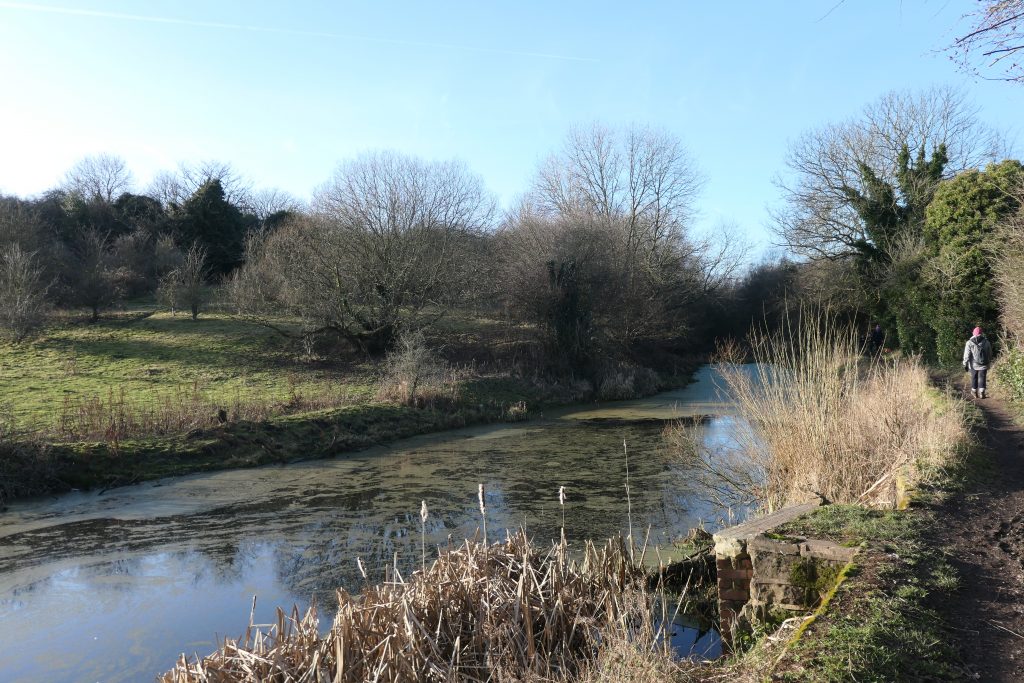
Our field visit on the morning of 11 January is a circular walk along Barnsley Canal and Wilthorpe Marsh.
We are meeting at 10am in the car park down Smithies Lane opposite The Fleets (a former pub now a Barnsley College sports centre).
Grid Reference: SE346078. Postcode S71 1NL.
If the car park is full, there are local side streets. Bus number 12 runs regularly down Smithies Lane: the 09.37 and 09.52 buses from Barnsley Interchange get there for 10am.
Looking forward to seeing everyone
2020
May we take this opportunity to wishing everybody a Happy New Year.
You are more than welcome to come along and join us for any of our meeting or field visits.
We kick start 2020 with an indoor meeting on January 8th.
This will be a presentation by Alwyn Timms; entitled The Discreet World of Barnsley’s Small Blue Butterfly
We also have a field visit on January 11th. Details to be confirmed.
And on January 22nd our indoor meeting is a members short presentations. This is very much a nature wide array of topics.
Our updated 2020 Spring Summer Programme will be available for viewing shortly.
Books that may be of interest
Recommended by the Wharncliffe Heath Trust at their presentation on April 3rd
Ferel; G Monbiot
Grazing Ecology and Forest History; F Vera
Wilding: I Tree
Grasses, Sedges and Rushes
“Sedges have edges, rushes are round, grasses have knees that bend to the ground.”
This little witty rhyme may be used to separate these three plants into there correct category.
The stems of sedges and rushes are solid; in cross-section the stems of rushes are round, while those of sedges are triangular and so have edges.
Christmas Social : December 11th 2019
This coming Wednesday December 11th we have our Christmas Social. A selection of food will be provided by members of the committee, but you are welcome to bring something along too. We have also arranged tea, coffee and soft drink.
Anglers Country Park field visit : December 7th 2019
This field visit will take place at the Anglers Country Park . Our group leaders for this field visit are Colin and Linda Graham. Colin and Linda will be giving us an insight into the Gull Roost at this park. This is a popular area for winter ducks too.
We are meeting at 1 pm in the main car park at Anglers Country Park, Haw Park Lane, Wintersett, WF4 2EB, grid reference: SE375153.
Good footwear and warm clothing may be a good idea. The cafe there will be open when we arrive.
We do have a later start time for this field visit of 13:00.
Bees : November 27th 2019
Our next Barnsley Naturalists meeting is Wednesday 27th November.
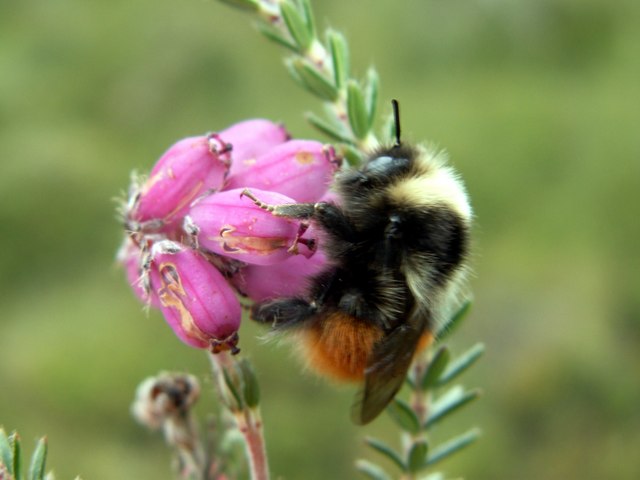
Tom Aspinall, from Moors for the Future, is our guest speaker for the evening. Tom is giving a talk on bumblebees and solitary bees. This will include identifying the different species, where you may find them, their behaviour and life-cycle.
Lots to interest us.
All welcome, Barnsley Town Hall, 7pm.
Lesbos, Cyprus and Samos – change to programme : November 13th 2019
We have to make a change to the presentation in our printed programme. The presentation will now be- ‘Migration and Orchids on Lesbos, Cyprus and Samos’ by Colin and Linda Graham.
As usual our in-door meeting start at 7 pm at Barnsley Town Hall
Fungi at Worsbrough : November 9th 2019
Fungi
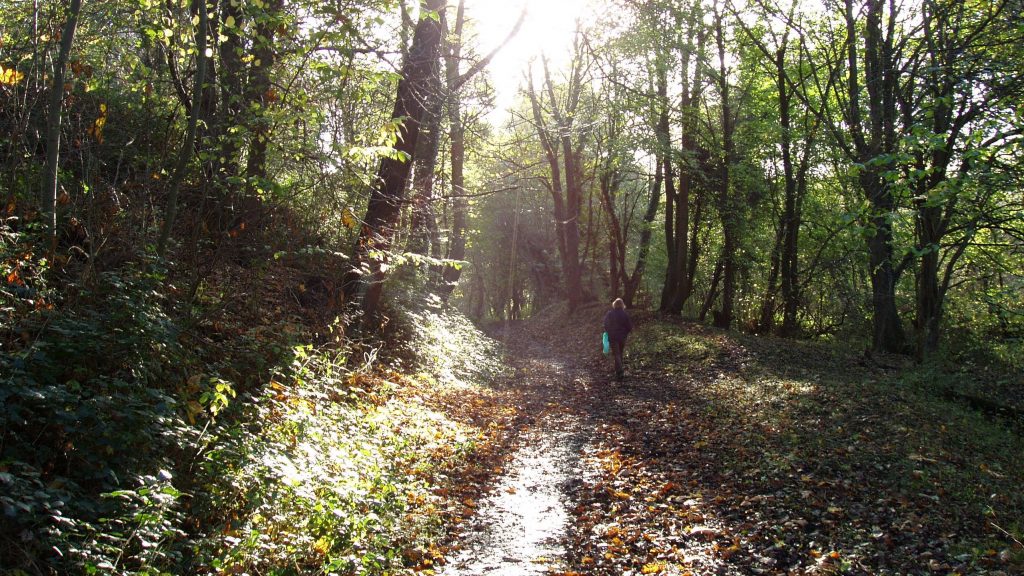
Our next morning field visit is to the area around Worsbrough Reservoir country park looking at the fungi there.
Geoff Jackson is leading the walk from the main car park [grid reference SE351033] on Park Road along the track on the south-side of the reservoir towards Shaw Bank wood and Rockley Old Hall.
Meeting at 10 am. All welcome.
Please note the car park has a small charge.
Change to our indoor meeting : October 30th 2019
We are having a change of plan for our indoor meeting this Wednesday, October 30th. We are sorry for any inconvenience that this may cause you, but we do have an equally interesting alternative lined-up: We will let you know when Alwyn is able to do his The Discreet World of Barnsley’s Small Blue Butterfly presentation.
Ron Marshall has kindly brought forward his From Catalonia to Finland presentation for us to enjoy.
The Ascent of Birds : October 16th 2019
How modern science is revealing their story’ is the title of our next talk to be given by our guest speaker Professor John Reilly at Barnsley Town Hall on Wednesday 16 October at 7pm.
When and where did the ancestors of modern birds evolve? What enabled them to survive the meteoric impact that wiped out the dinosaurs? How did these early birds spread across the globe and give rise to the 10,600-plus bird species we recognise around the world today.
John Reilly’s talk sets out to answer these fundamental questions on the evolution of birds. It is based on the latest scientific discoveries and enriched by his personal observations.
All of our talks are open to anyone with an interest in the topic. So please pass on the invitation to anyone with an interest in birds and their history on our planet.
Back From Our Summer Break
Wednesday 2nd October
We are looking forward to seeing you all at the first indoor meeting of our Autumn and Winter Programme. As usual, we start with a members evening sharing knowledge and observations. This of a less formal structure than the meetings with guest speakers. Very much a catch up and news of what everyone has spotted over the break; multi-topic and hopefully with some interesting finds, images and stories. Please take part: it’s always really interesting to hear from a variety of people.
Our printed Autumn and Winter Programme will also be available.
Plant Galls at Newmiller Dam : September 8th 2019
For those interested, Tom Higginbottom is leading a Plant Gall field visit at Newmillerdam; 10.30 start. Details -including contact info for Tom are given at https://www.britishplantgallsociety.org/events.html .
The meeting point is in the car park; which operates a Pay and Display system. so please have some change for this; estimated at £1.70. Please bring a packed lunch if you want.
There is also a drop-in bioblitz at Cannon Hall country park: http://www.cannon-hall.com/bioblitz .
Apologises for the short notice on these two activities. These are not our organised activities, so please refer to the links for correct information.