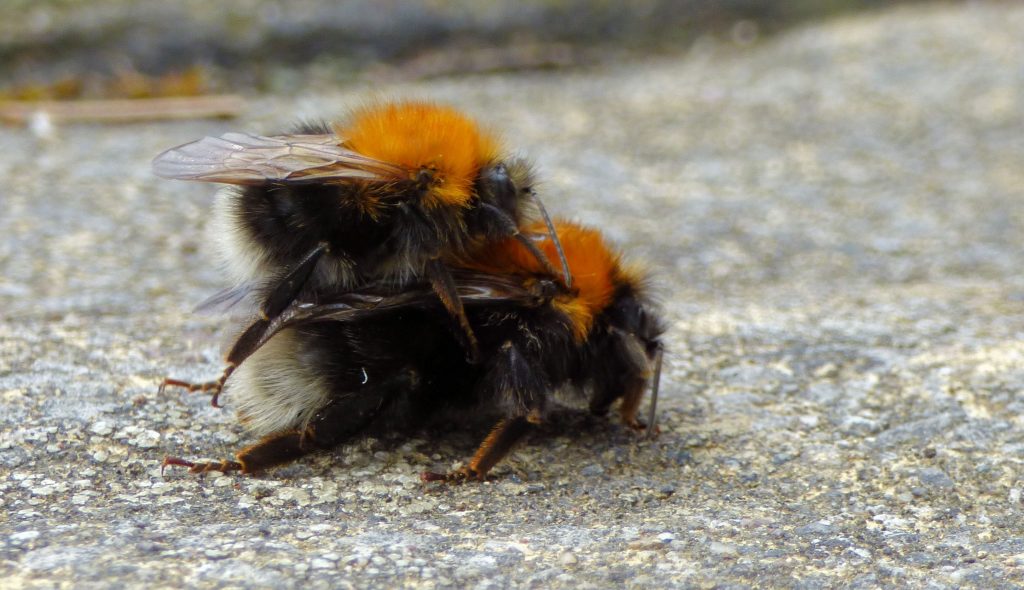
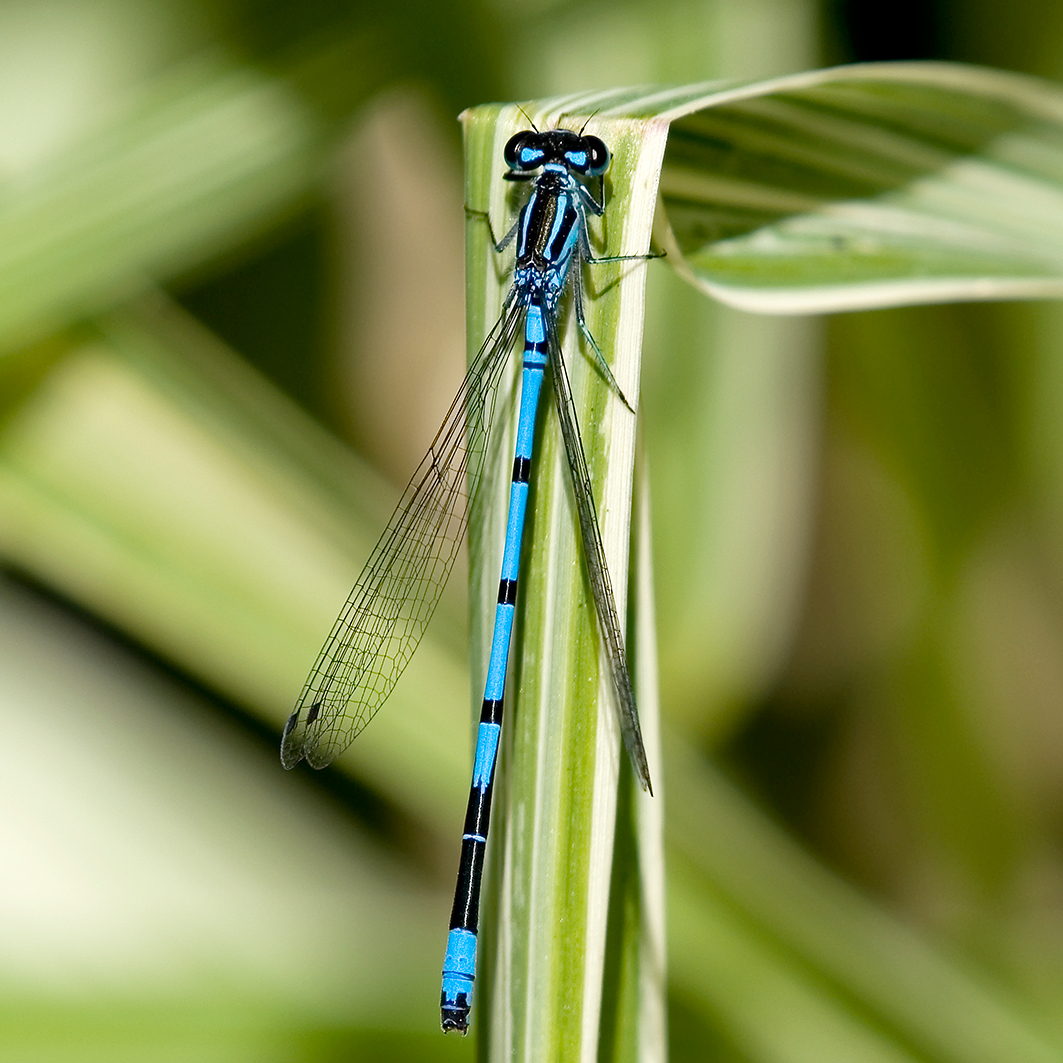
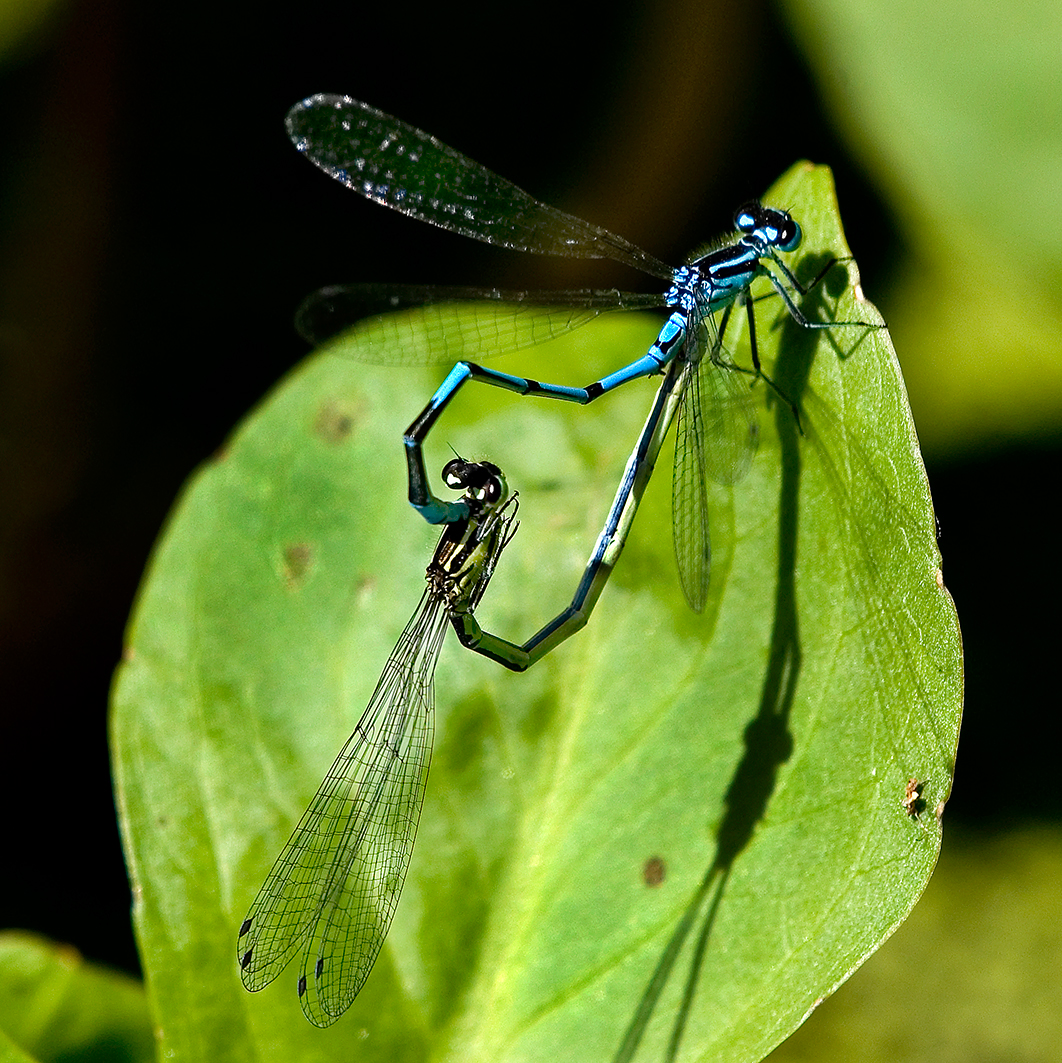
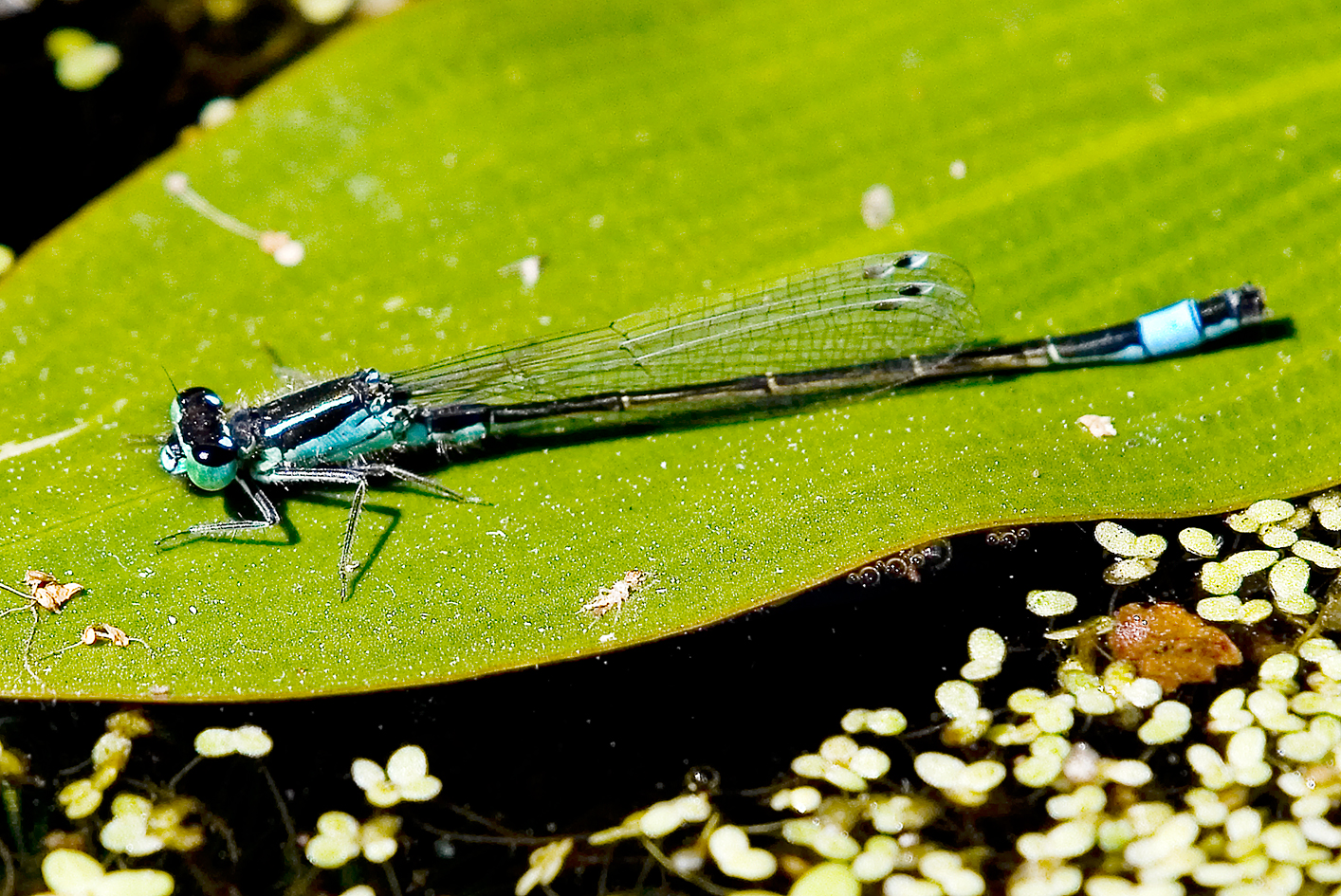
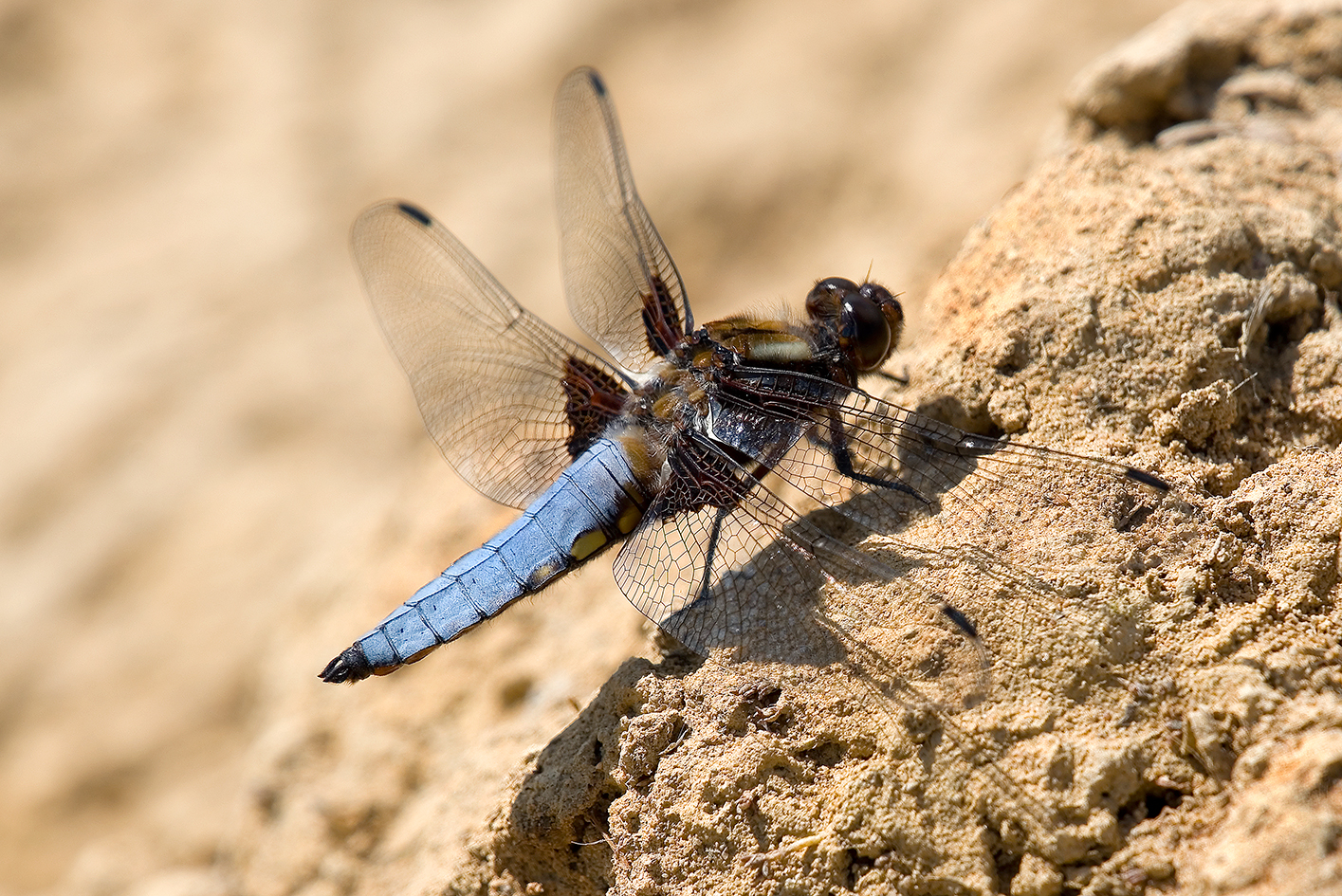
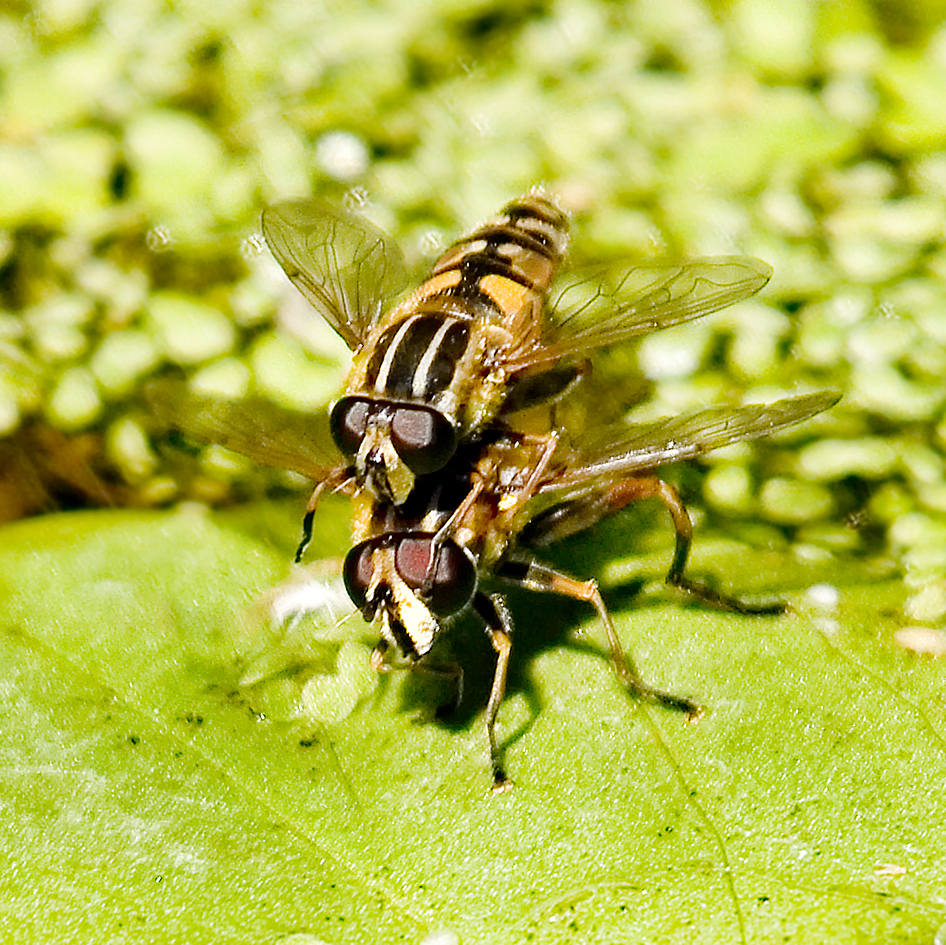
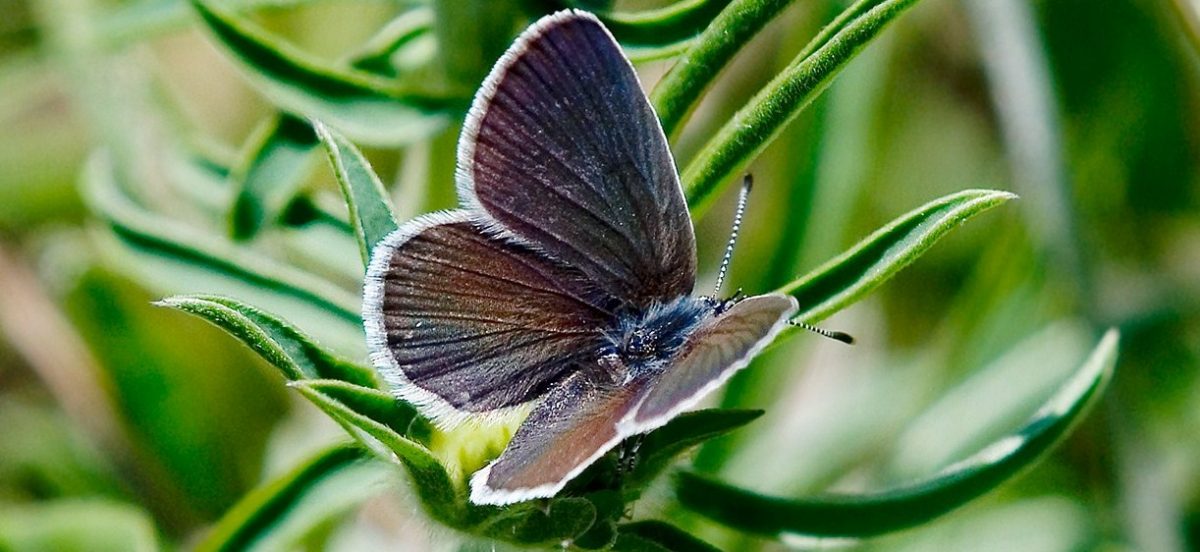
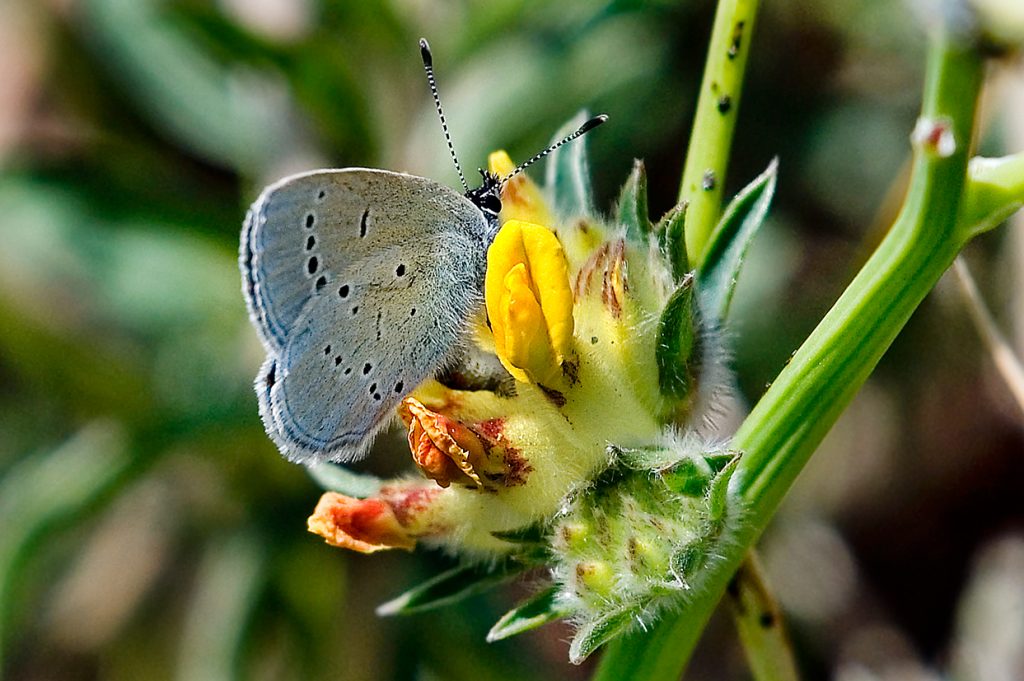
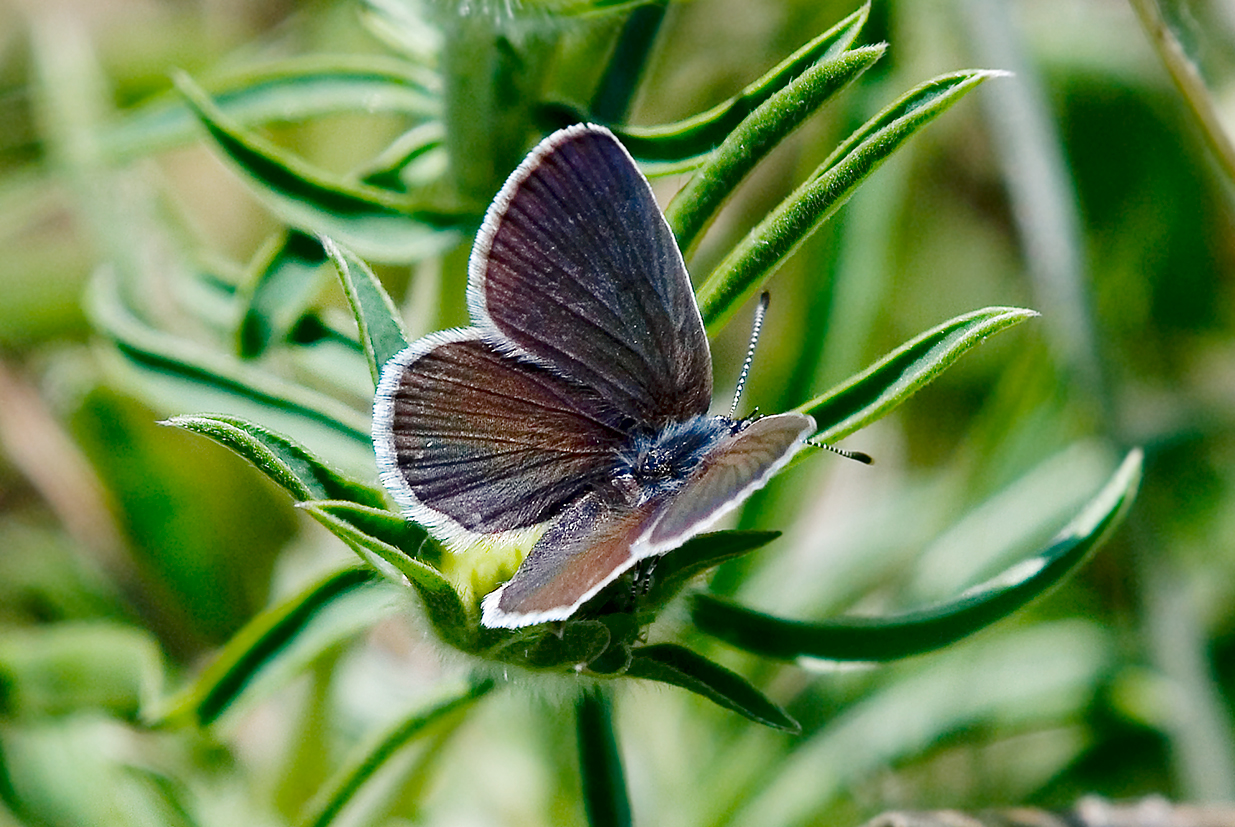
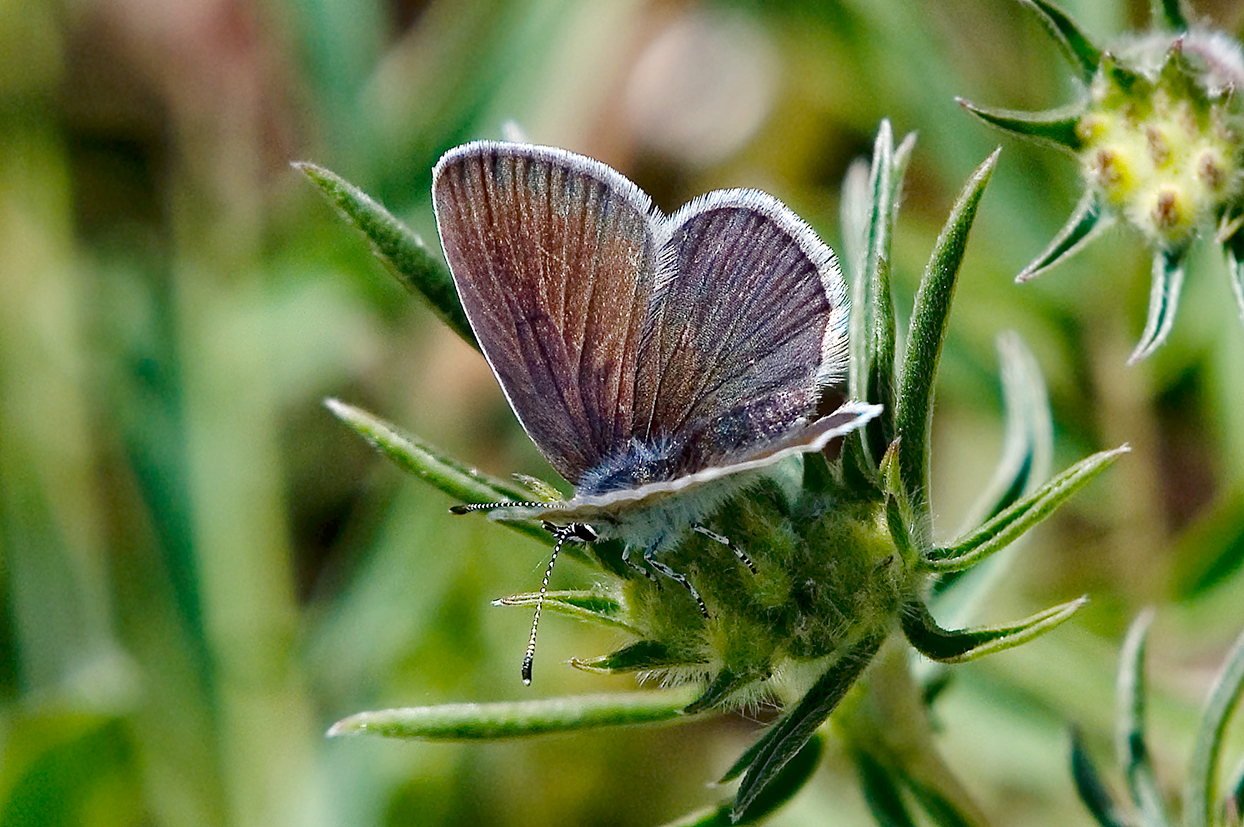
From Rick. Things must be getting bad. I’m paying attention to insects! [Rick’s main interest of course is geology.] At 10am, on 6th June after the shower, but in bright sunshine, on the patio.
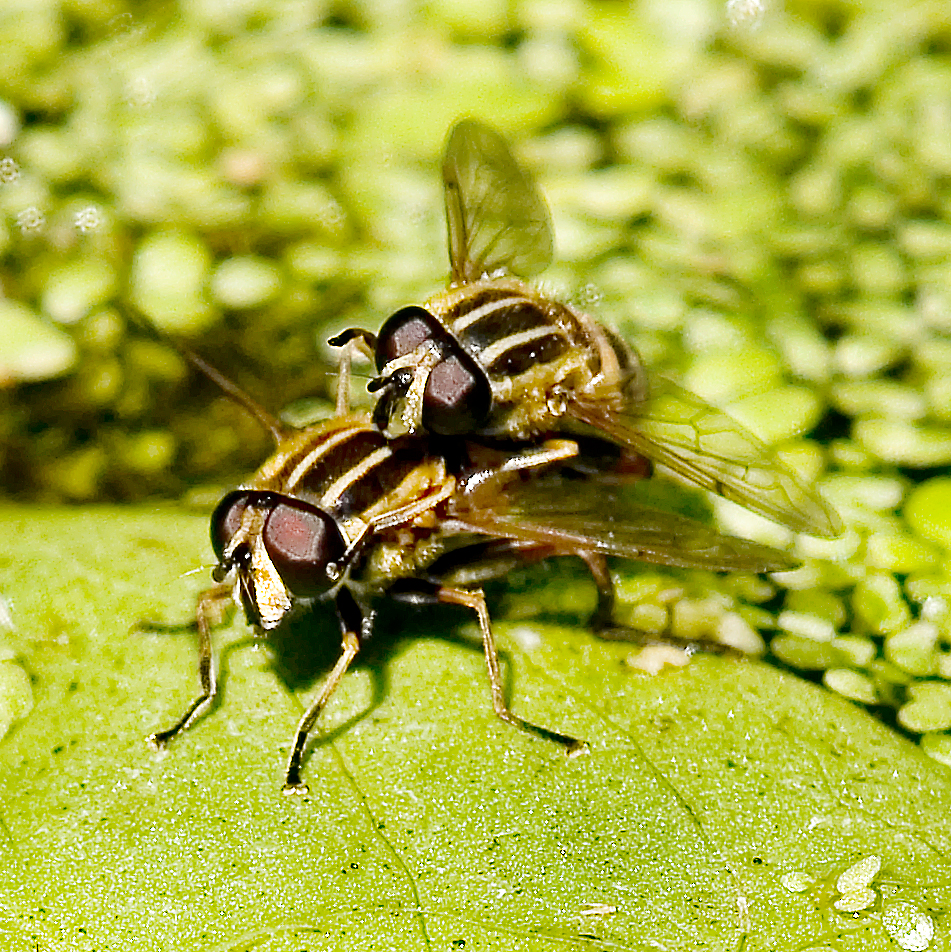
At first I thought of an invasive killer eating our bees, but on closer inspection I think its copulation, not combat. I’m pretty sure they’re bees, but no idea why they aren’t the right colour, or doing this sort of thing on the wing. Maybe one you guys will know? Rick
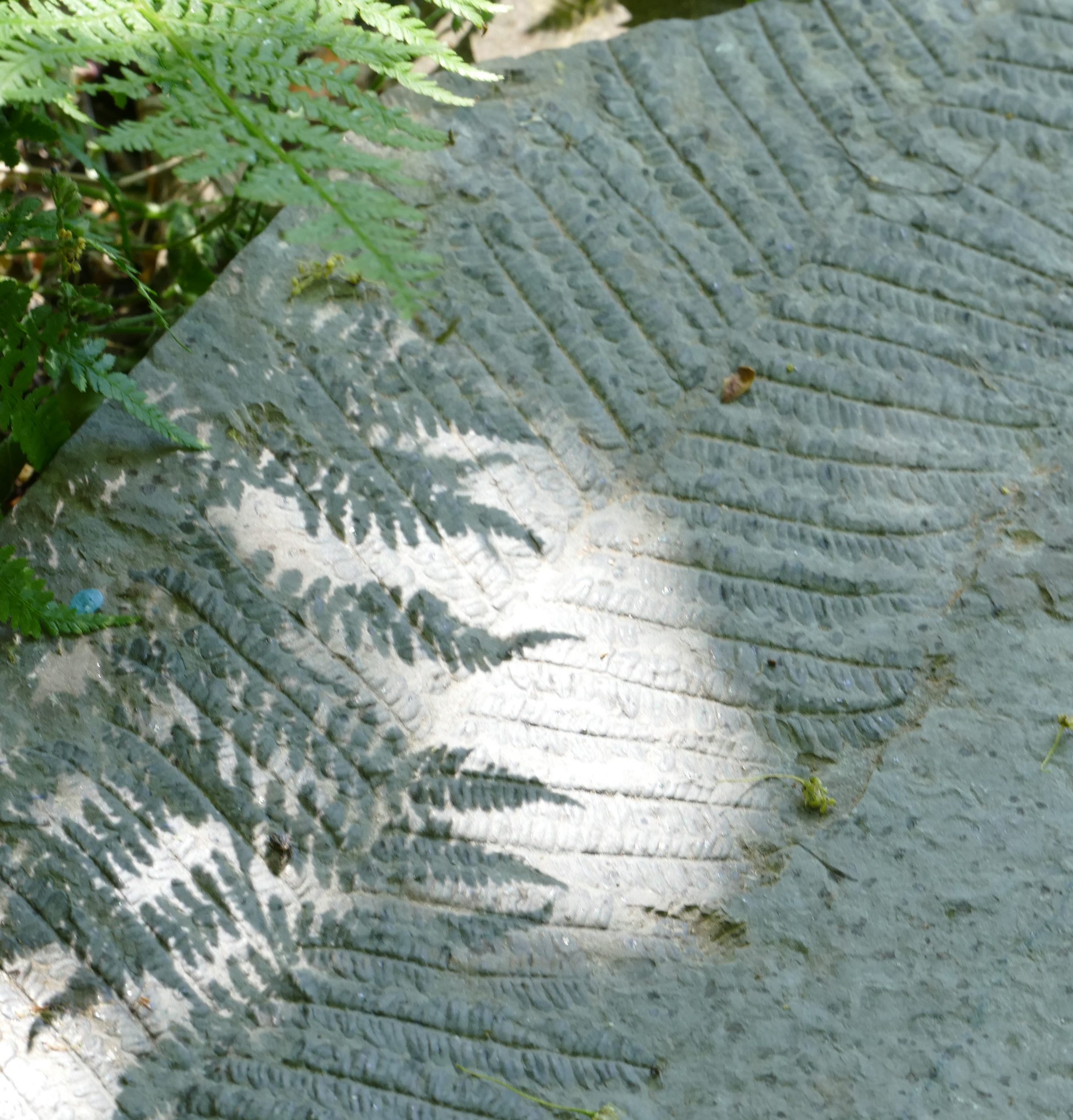
From Howard. Here’s a photo that I’ve taken recently. I put a fossil fern, around three hundred million years old, next to a living fern in my garden to see what they looked like together. Later the sun came out and I was impressed by the shadows. All the best, Howard
’Twas the Glorious First of June. I decided to take up David Allen’s kind invitation and had a most enjoyable afternoon in the fresh air, pottering and looking around to see the beautiful wildlife at Highstone Farm. Sunny, warm, 25 degC, no breeze -ideal!
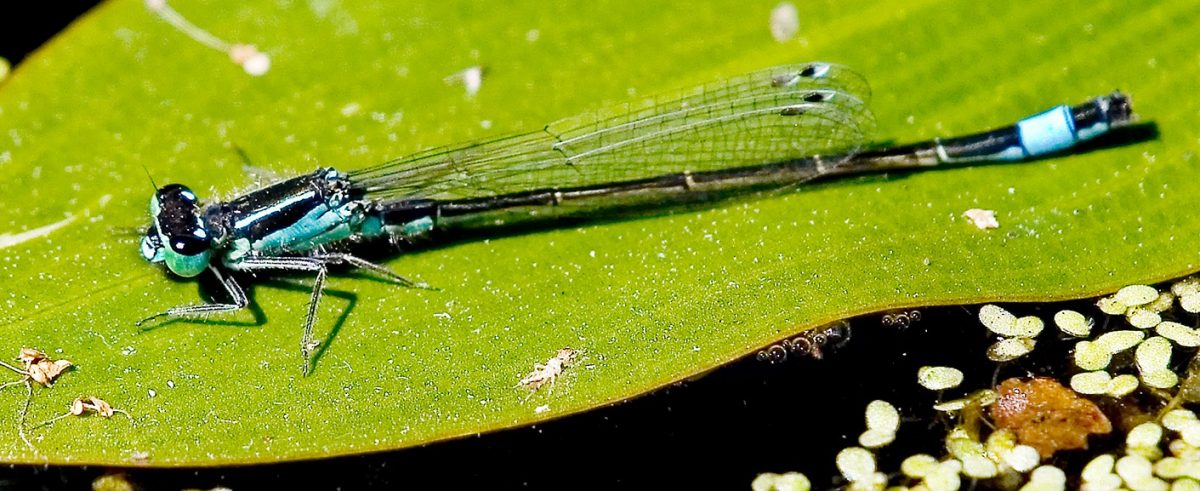
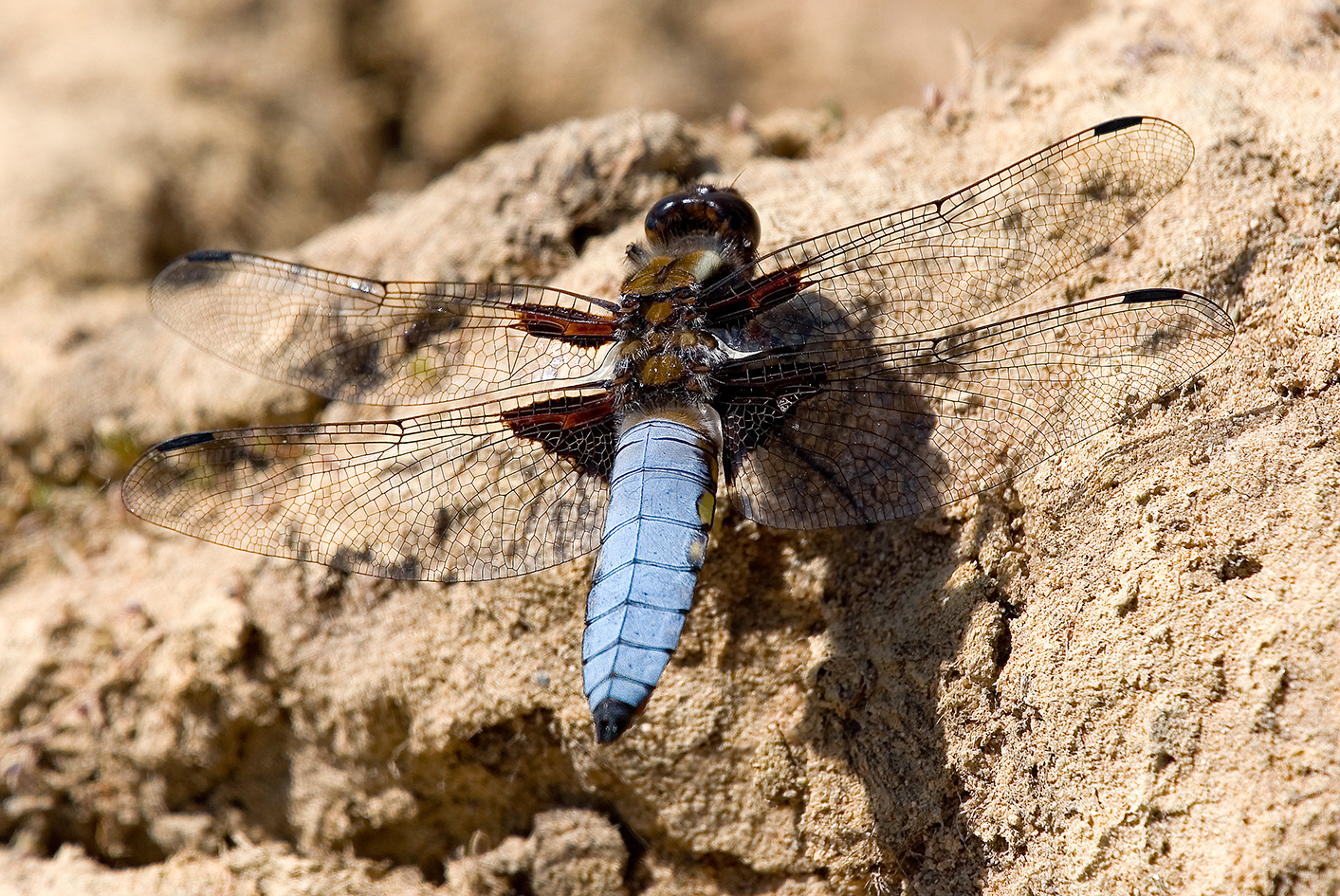
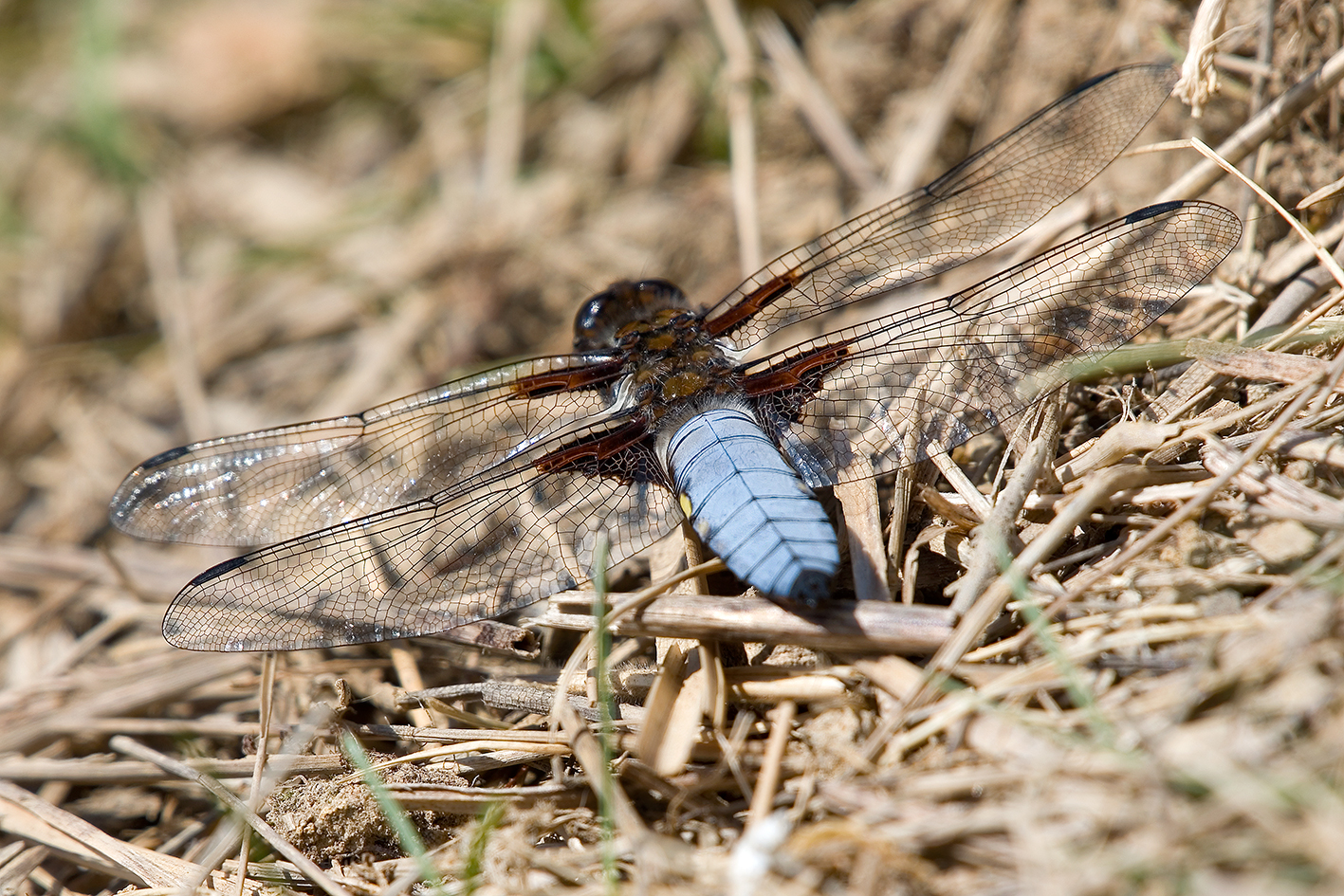
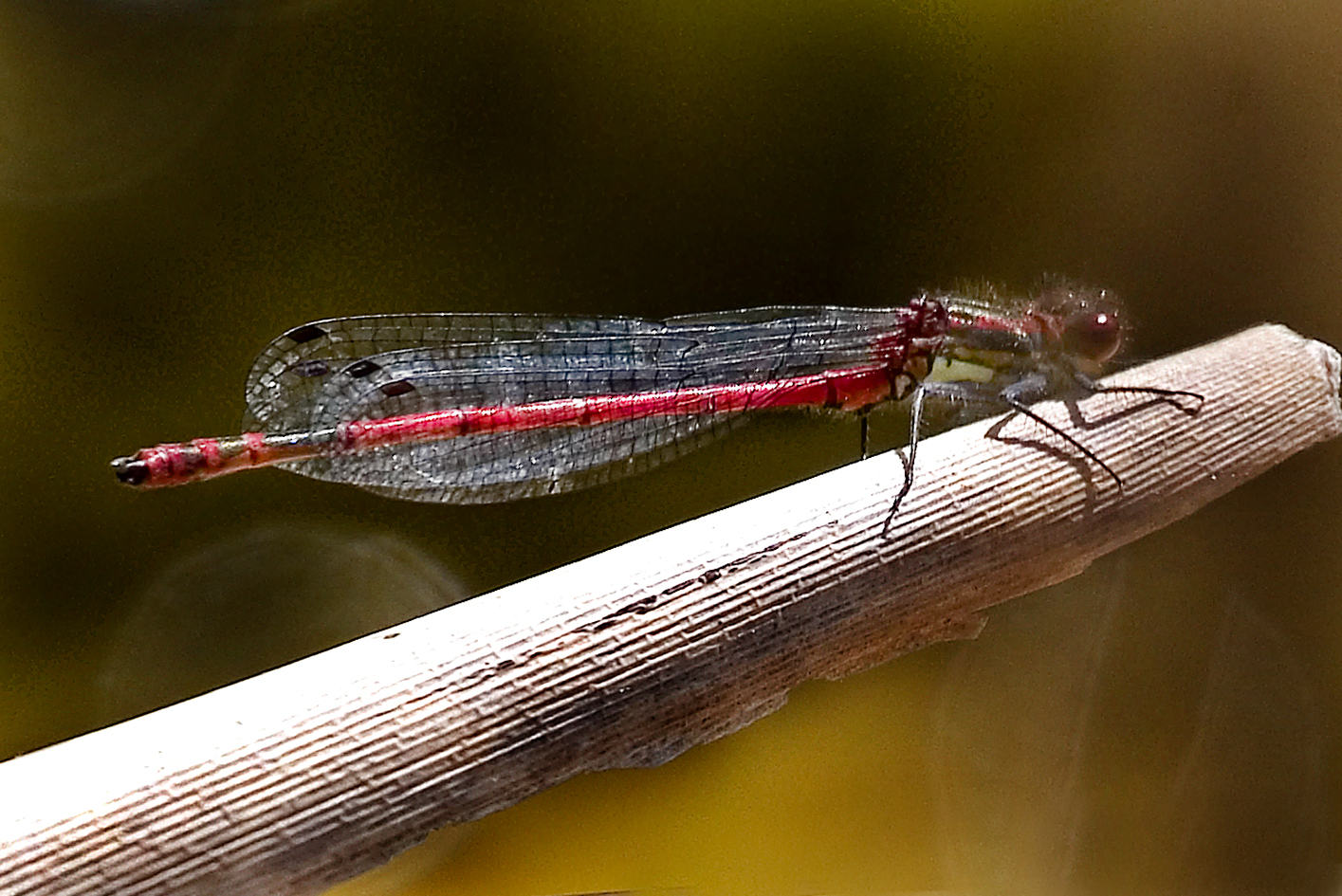
Notable sightings included Azure, Blue-tailed and Large Red Damselflies, 4-Spotted Chasers and Broad-bodied Chasers galore!
The Broad-bodied Chasers kept landing close to me, one almost perched on my foot as I sat by the pond – a thrilling and memorable encounter. I wasn’t able to photograph the Emperor Dragonfly (recently emerged that afternoon) and 4-spotted Chasers that were about around the large pond.
However I photographed a mating pair of Hoverfly, Helophilus pendulus (one of the ‘footballers’) – not witnessed this before.
Small Tortoiseshells, Speckled Woods and Small Whites were about. Lots of Bees everywhere.
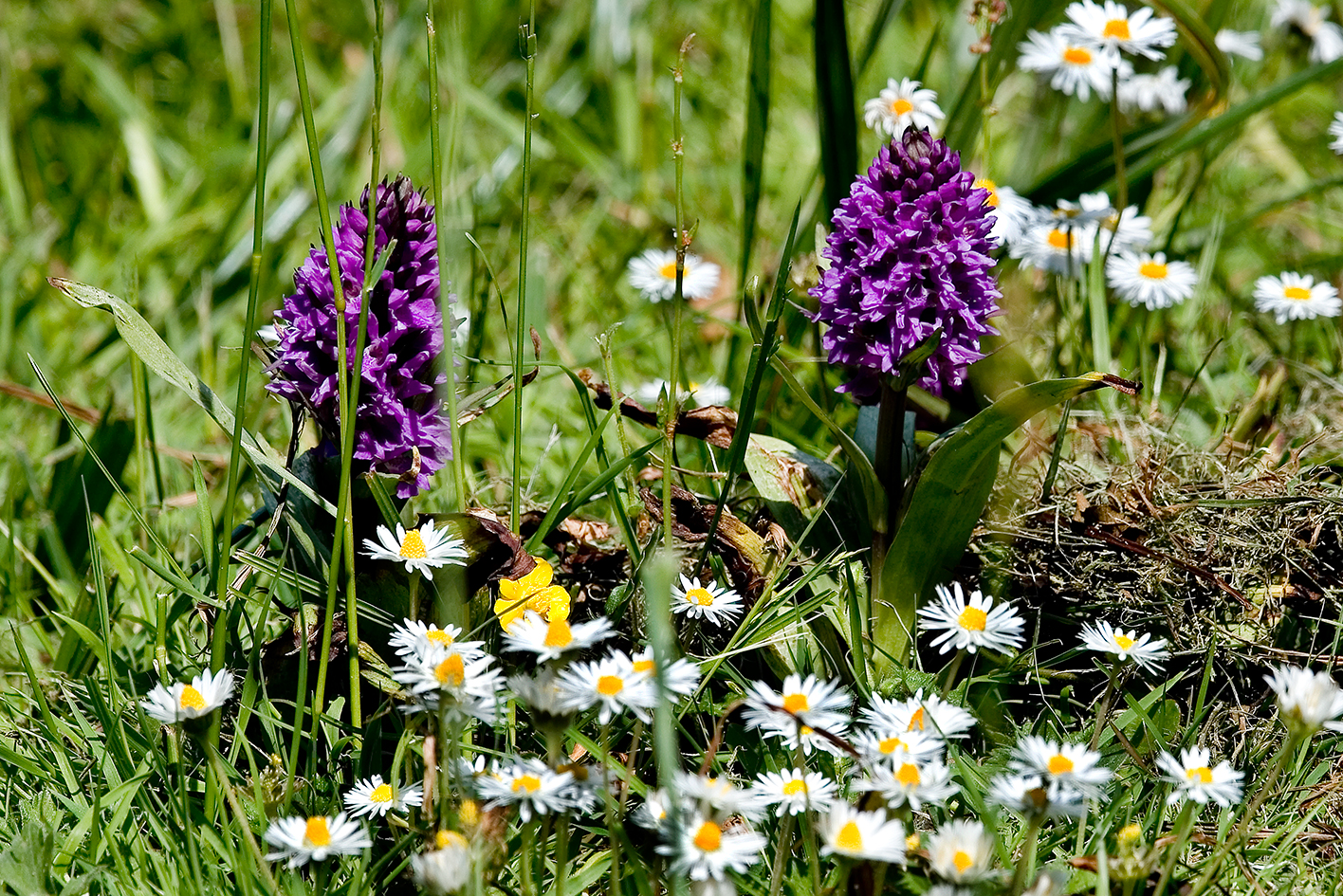
The Early Purple Orchids skirted by daisies were also a joy to see. In fact there were lots of flowers in bloom everywhere, both horticultural and wild.
Surprisingly no photographs of birds but many seen and heard: Song Thrush, Blackcap, Chiffchaff, Robin, Dunnock, Chaffinch, Blackbird, Nuthatch, Carrion Crow, Jackdaw, Goldfinch, Grey Heron,Magpie, Pheasant, Wood Pigeon, Collared Dove, Swallow, Canada Geese with 3 young and more were all present.
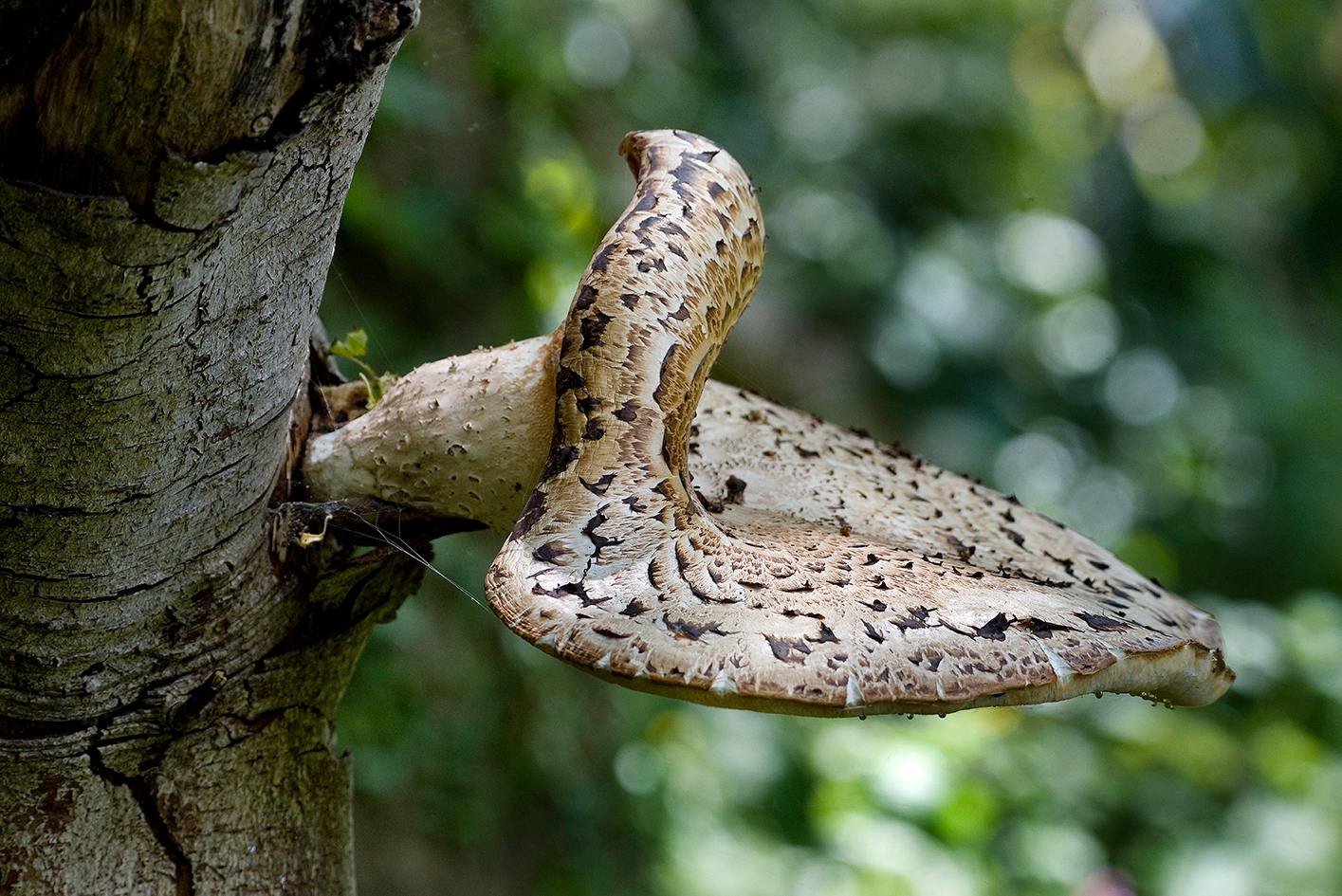
There was however a lovely specimen of Dryad’s Saddle Bracket Fungus Cerioporus squamosus- sometimes known as Pheasant’s Back mushroom.
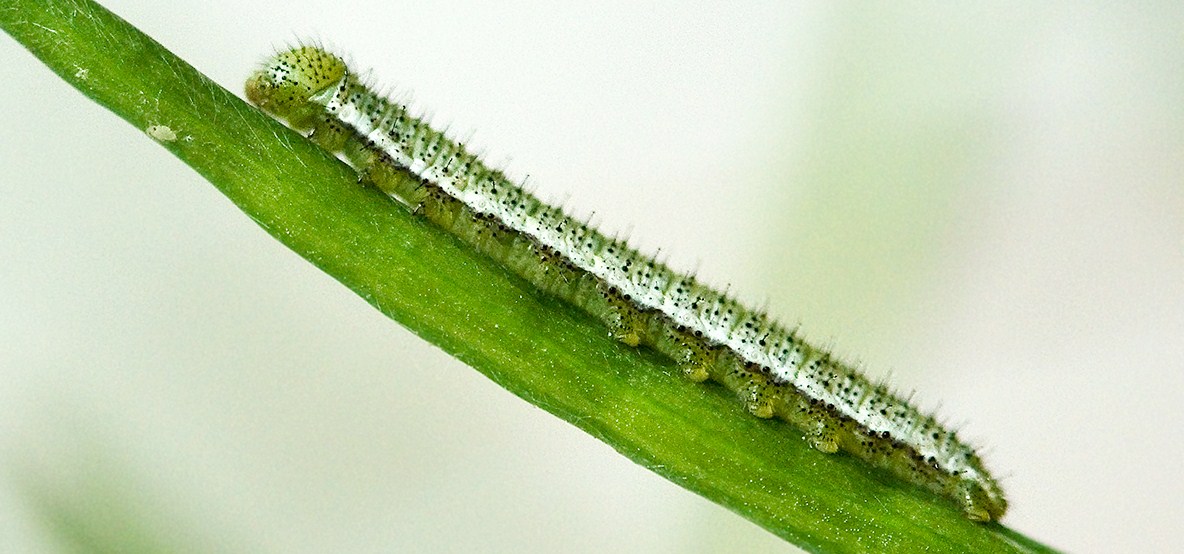
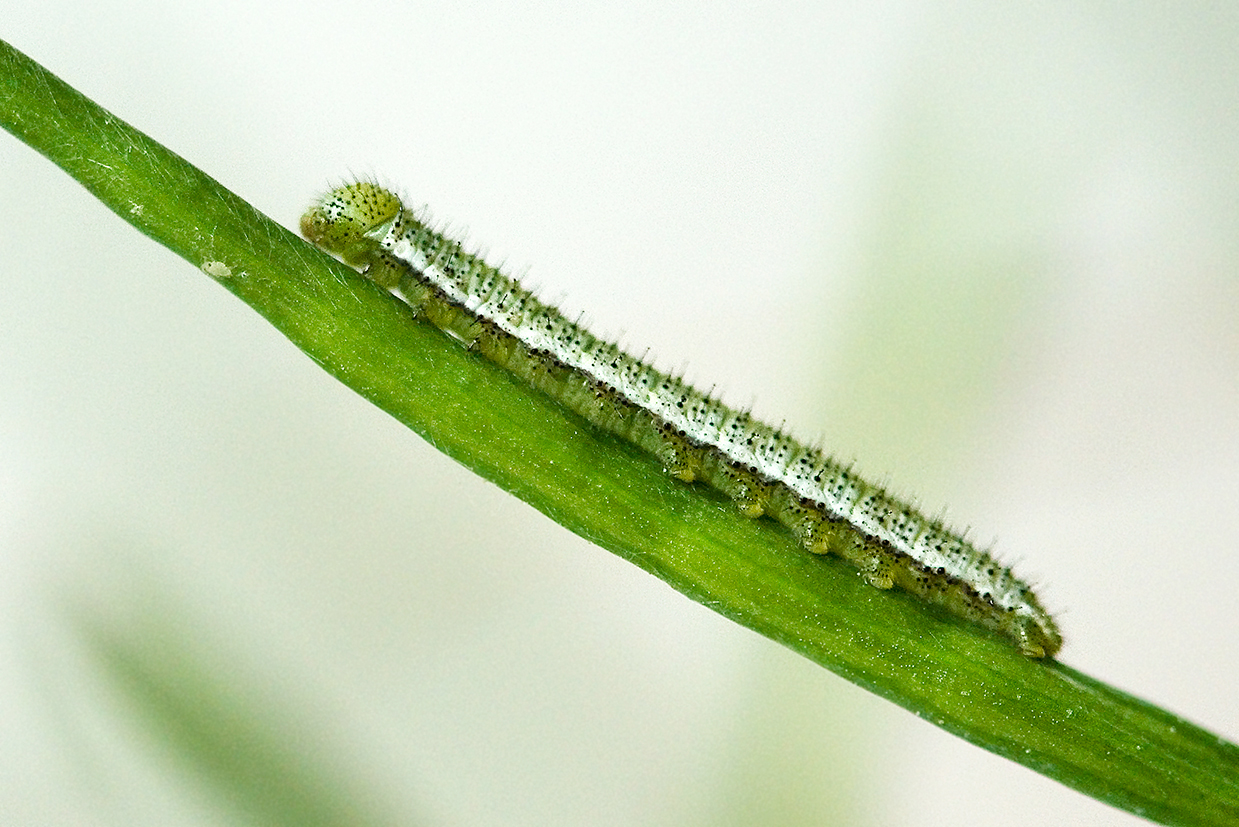
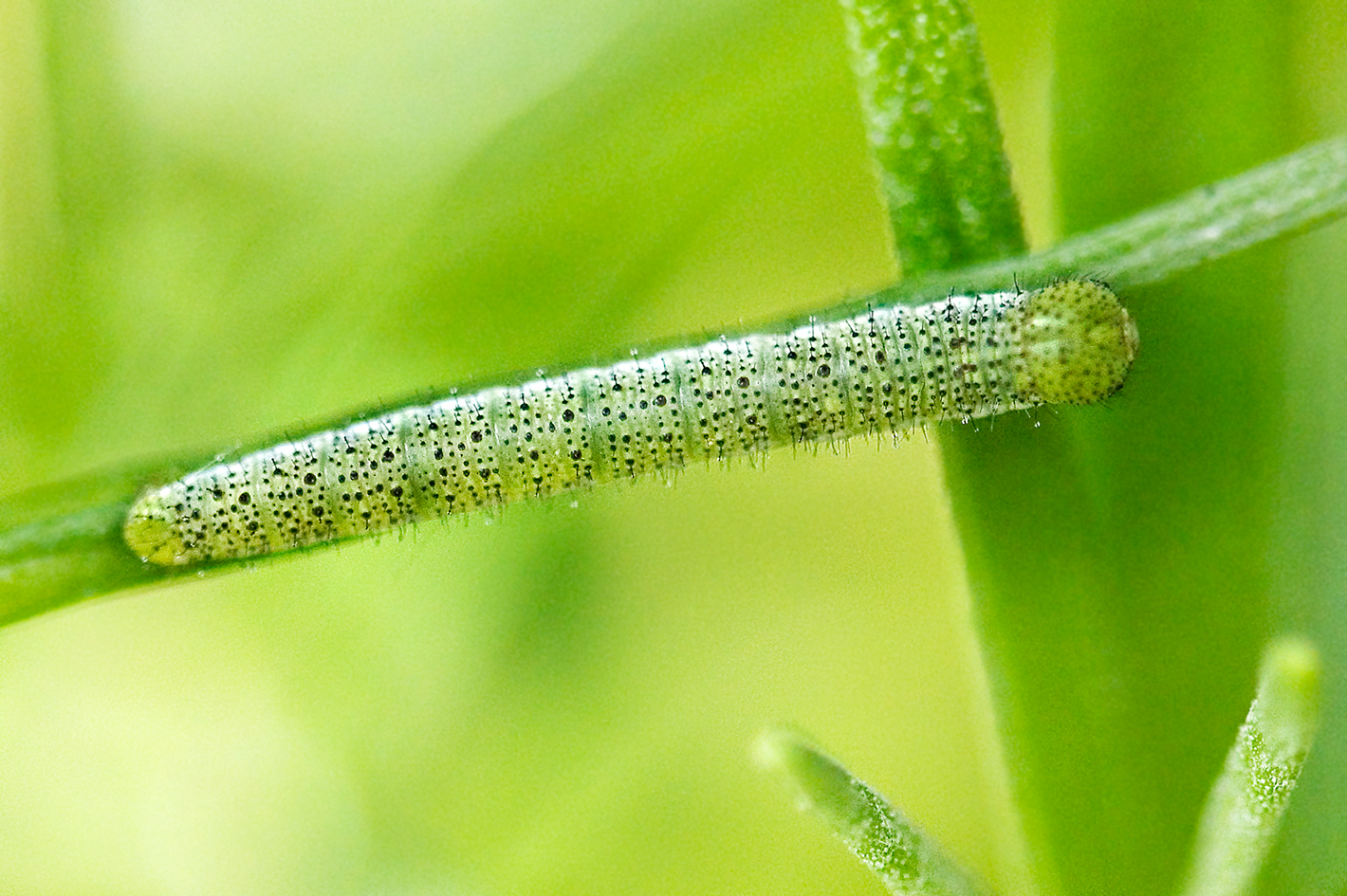
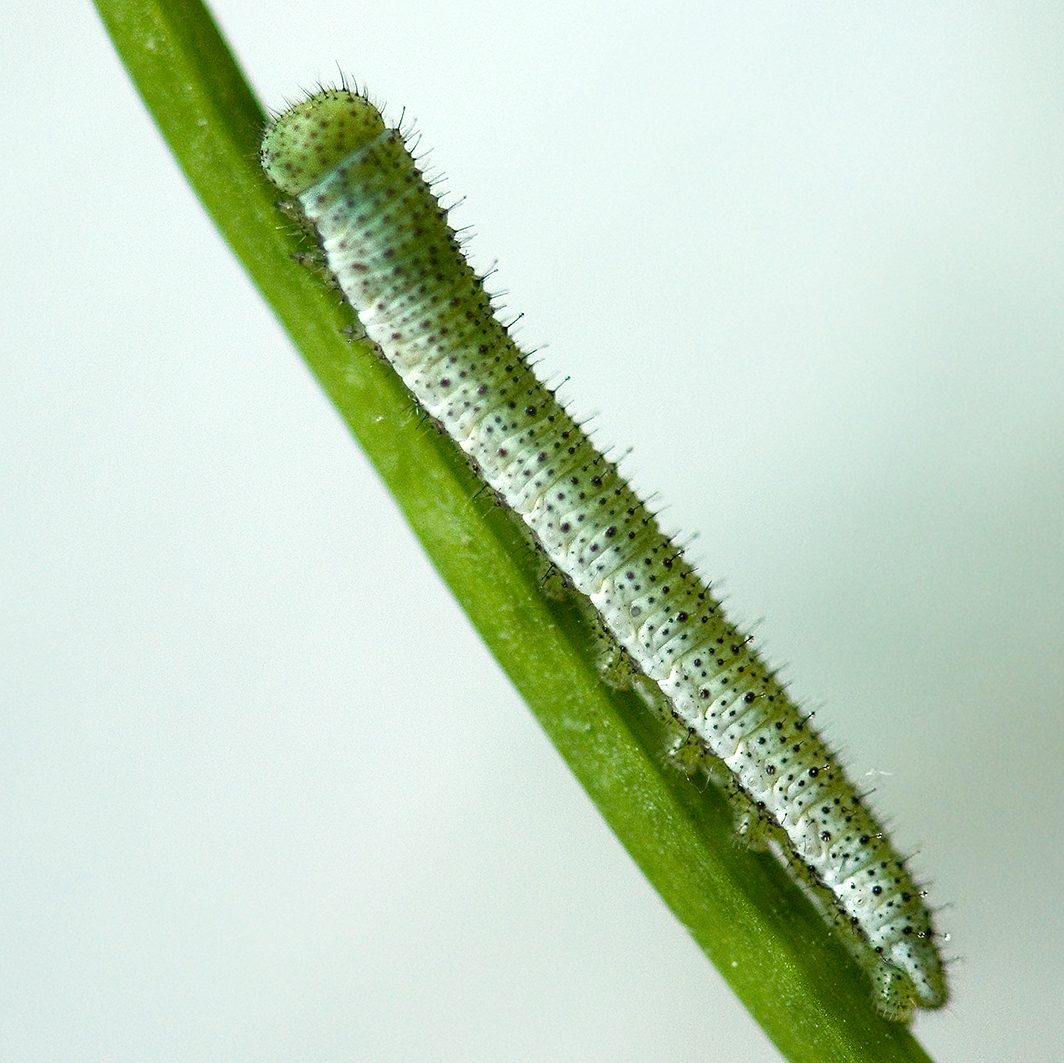
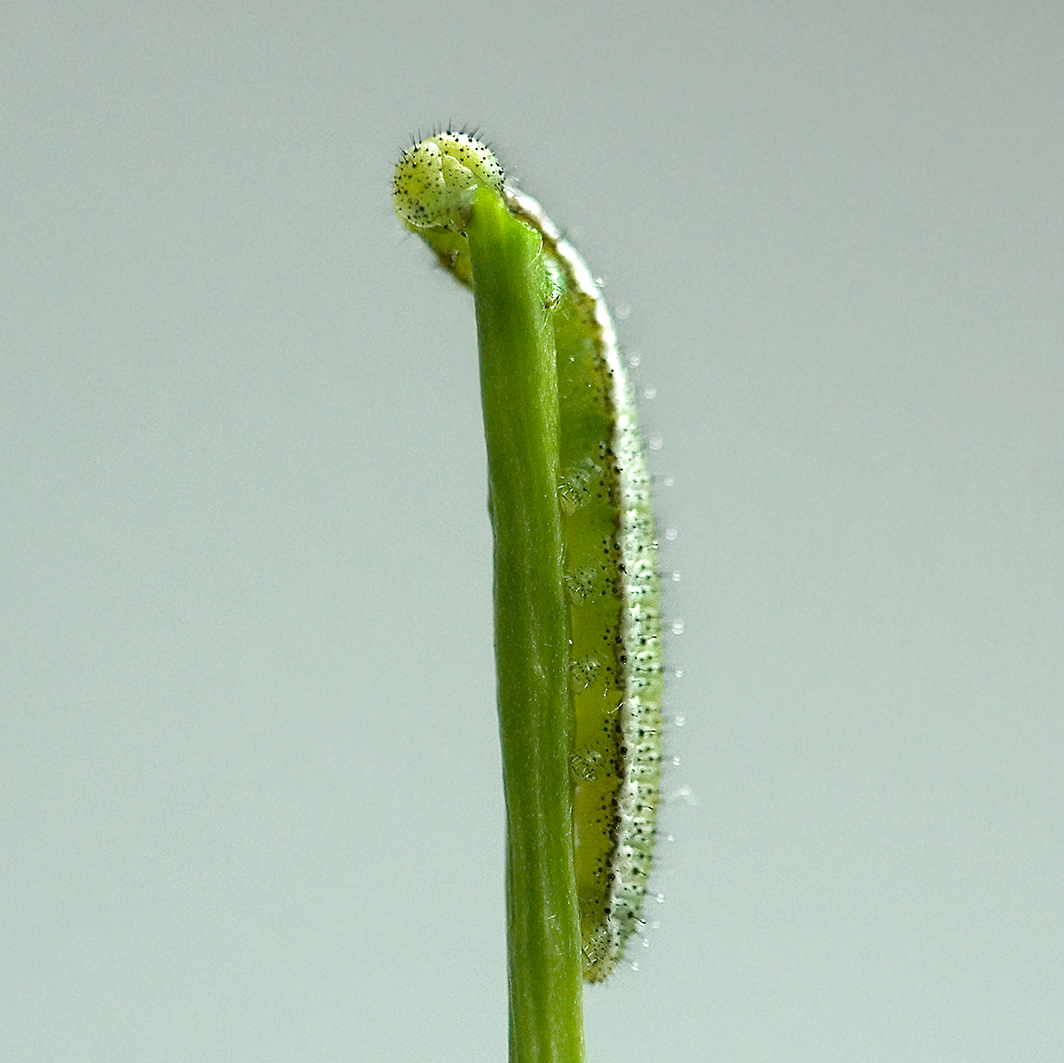
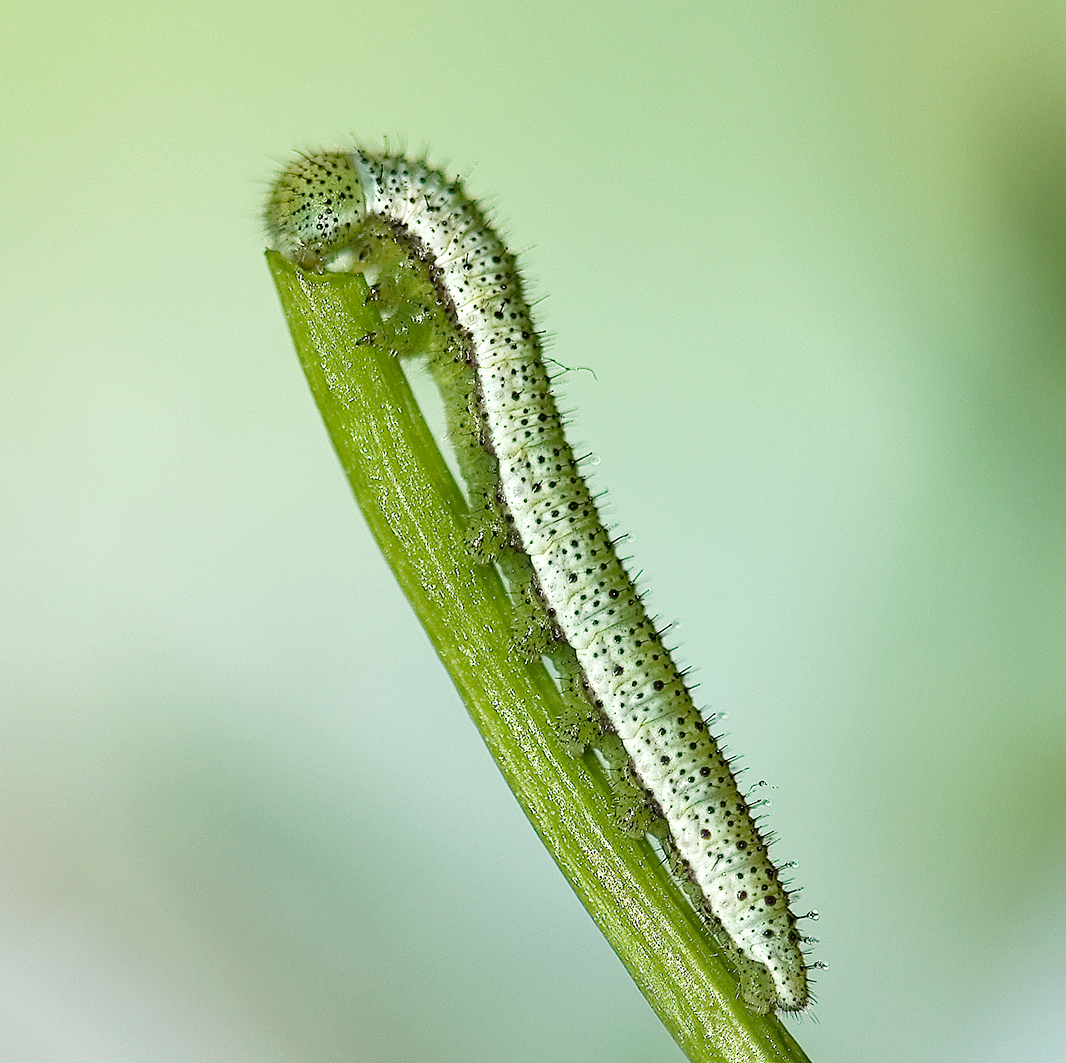
Rearing Orange Tip butterflies. This week, I have started rearing four Orange Tip caterpillars, found on the seed pods of the Garlic Mustard plants in my garden.
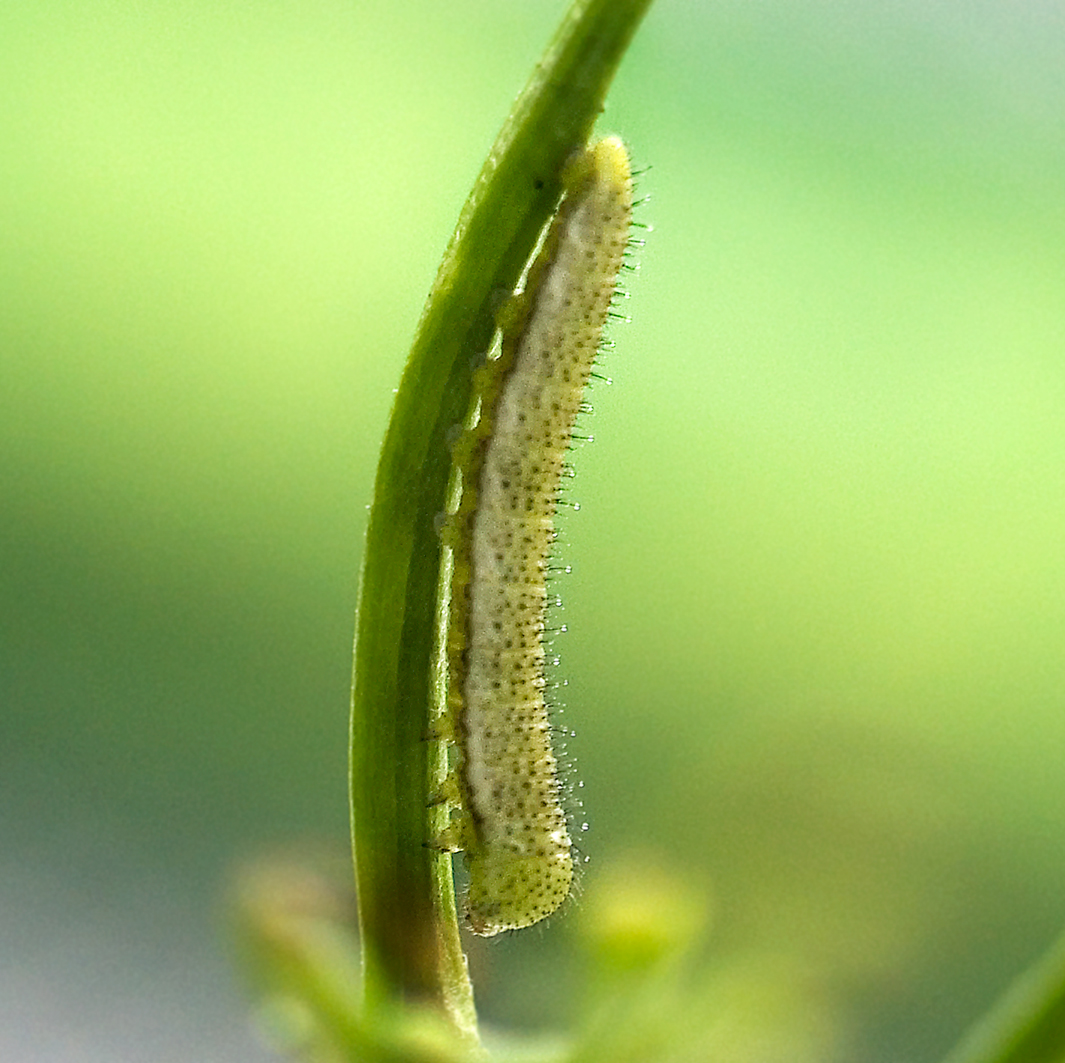
The caterpillars are now indoors, in the gauze cage that I had used originally to rear my Painted Ladies a few years ago. They are still on the same plants (in a small vase) and they are munching away, day and night, at the long seed pods and are hopefully free from parasitic flies, birds etc.
Currently about 12mm long, they will develop (hopefully) to about 3.5cm.
Difficult to see and photograph because of their very small size (short and thin). They are well camouflaged, mimicking the seed pods along which they are resting.
You might notice the presence of small clear beads of liquid topping the black hairs on each caterpillar’s back. No one really knows their purpose, perhaps a guard against predators?
The caterpillars will eventually pupate at the 5th (and final) Instar into a Gondola boat-shaped Chrysalis, fastened to a stem with a silken girdle around its waist and a silk pad at its tail end.
Then it’s a long wait until next Spring when they will metamorphose into beautiful adult (Imago) butterflies.
These caterpillars are cannibalistic and the female Orange Tip usually only lays one egg per plant.
I’m hoping to photo-document their progress if I can, that is if they don’t eat each other! Lots of fun! Alwyn.
From Doug. Hello All. This last week I have been setting the moth trap in Knabbs Wood and retrieving it at 3.45 am most days. I had a day off from moth trapping on Sunday as I commenced the Glowworm survey for 2020 on the TPT at Thurgoland, it was probably the driest that I can remember with the grass scorched and the trees with reduced leafage, but the transect was successful with one Glowworm recorded, possibly the earliest record I have. Stay safe and well. Cheers Doug and Jill.
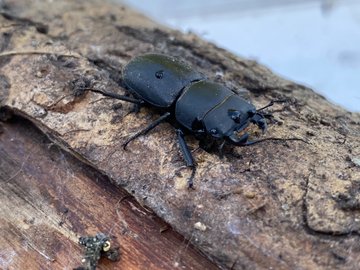
From Pete Wall. What a start to @30DaysWild*! A Lesser Stag Beetle popped in to see me at home! Beyond excited! A regular at our house. A bit wet as I was watering!! Cheers Pete. [*A Wildlife Trusts’ initiative for the 30 days in June.]
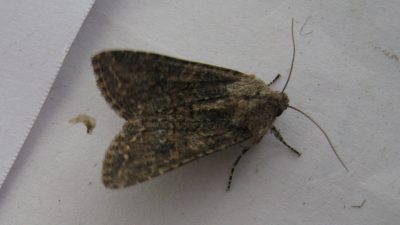
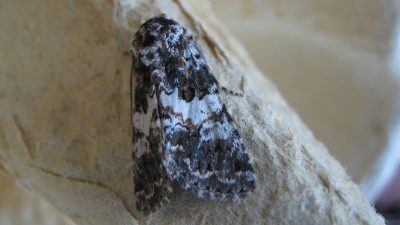
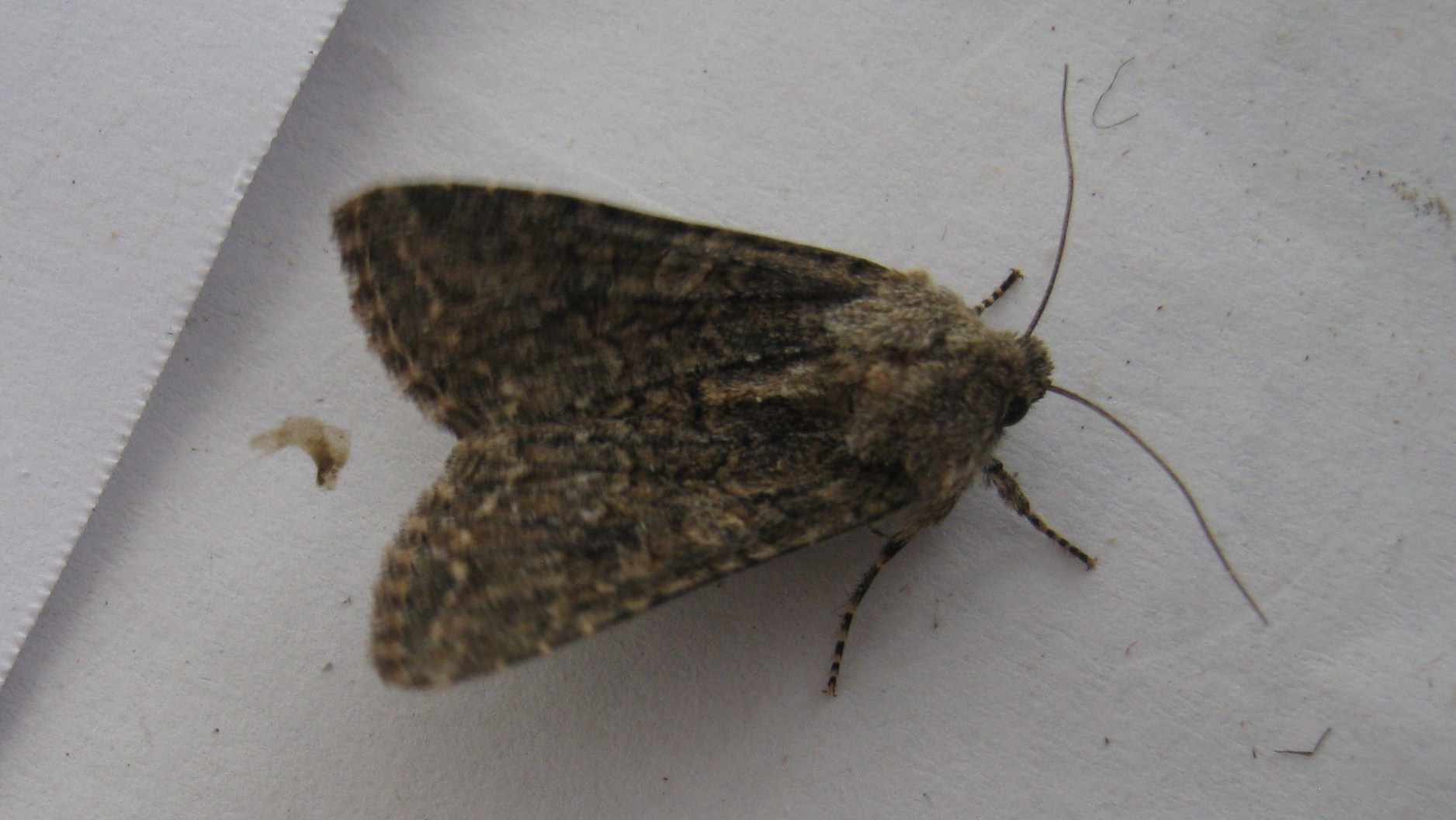
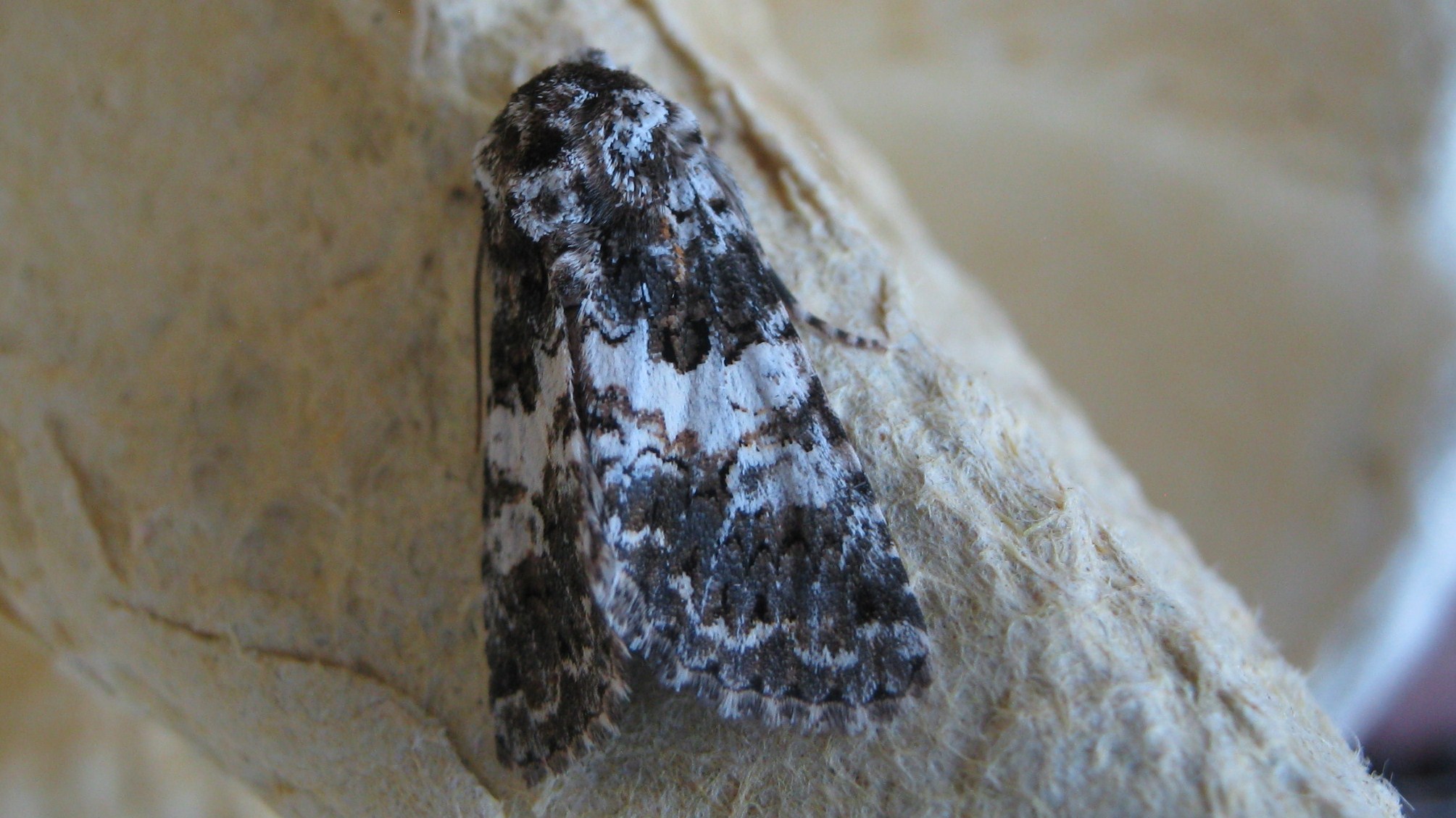
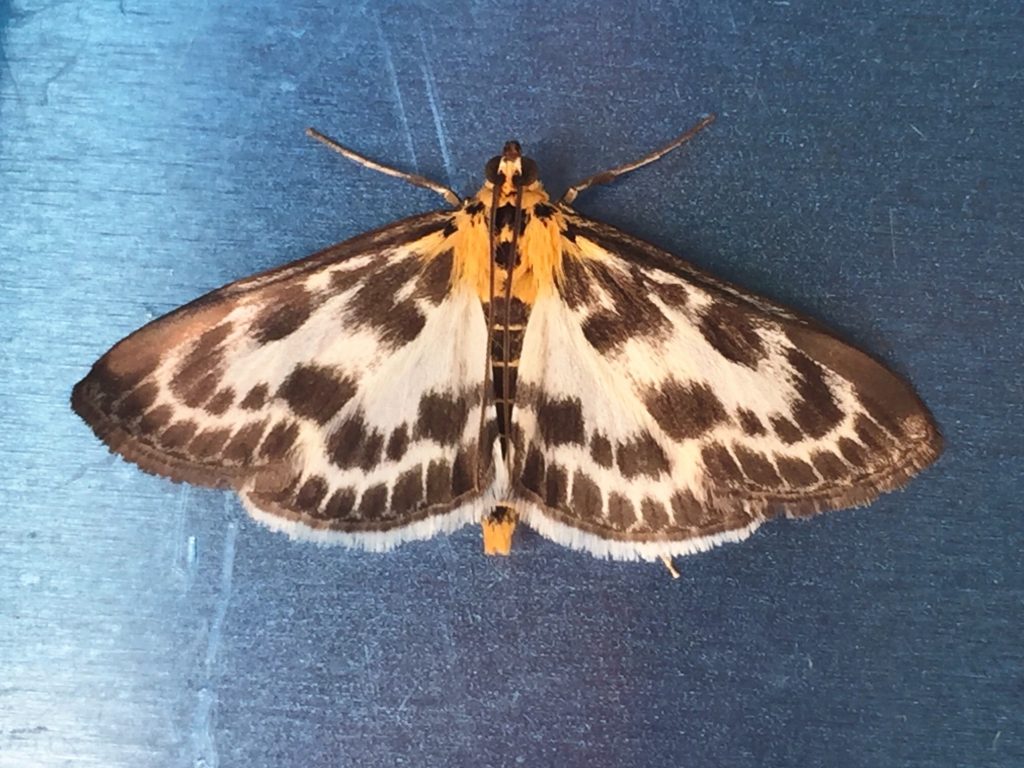
From Kent. Here are two moths, Nutmeg and Varied Coronet, taken here in Ardsley. They are both uncommon; Varied Coronet is probably only the second record in Barnsley.
From Stuart in Penistone. First and foremost many thanks for the latest wildlife news from all the contributors; week after week the observations have been fascinating.
Lynn and I have continued our daily walks and now often reflect on what we have seen since the Lockdown began on the 23rd of March.
On one walk, just after lockdown started, we had stopped to look at the buds of a horse chestnut tree and felt their stickiness. As the weeks progressed these buds swelled and burst with the soft pale leaves, these expanded rapidly and it was not long before we saw the first flower spikes beginning to develop. Next these flower spikes came into full bloom like large candles, they are a beautiful flower, a rich white mixed with delicate pink tones. Now, these last few days we have been past this very same tree again and the flower heads are fading. This is just one example of the huge changes we have all seen these past 10 weeks as we have watched spring unfold.
This past week I have also been checking my list of records and mopping up some obvious omissions with regard to the birds, so this week I have made it my aim to record both Linnet and Meadow Pipit while up around Hartcliffe and that mission is accomplished with both species present. On one of these walks I also spotted my second Red Kite of “lockdown”, this was near Hartcliffe too and very high up in a clear blue sky but even there a Crow was still giving it a hard time!
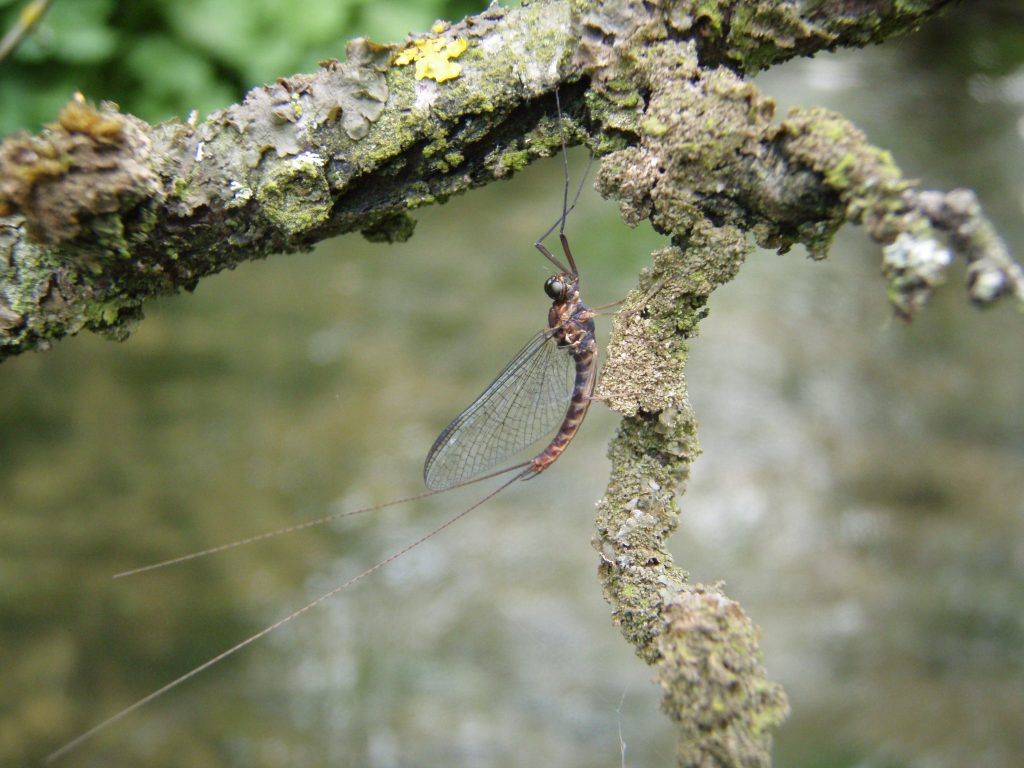
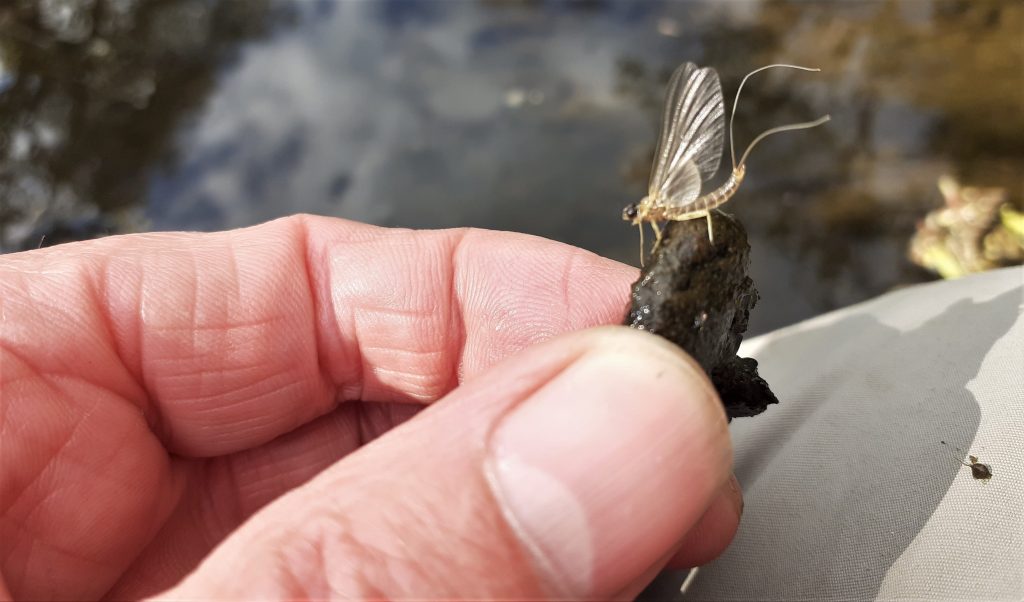
The unusual record was a mayfly called Ecdyonurus torrentis, this individual was trying to lay eggs on our wet patio (see photo BUT this is not the actual insect I saw, this one is a male of the species).
Male Brook Dun Spinner – Ecdyonurus torrentis
How it got to our garden I can only guess, the river is only about half a mile away as the mayfly flies but it is certainly not in line of sight and mayflies are not the strongest of flyers. Having said that who am I to try and second guess one the most successful types of flying insect that this planet has ever seen, having been around for over 300 million years. Bye for now, Lynn and Stuart
Yes, what a fabulous and memorable afternoon I had this last Bank Holiday Monday, out in glorious sunshine and warmth, no breeze (about 24 deg.C!). Everything I had hoped for – and more.
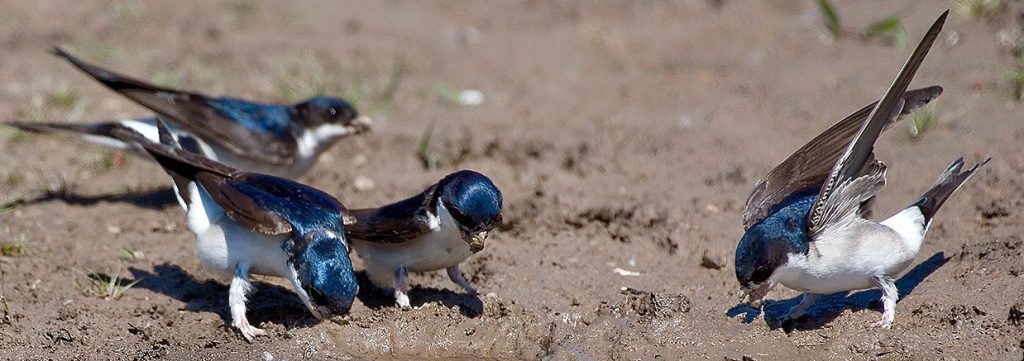
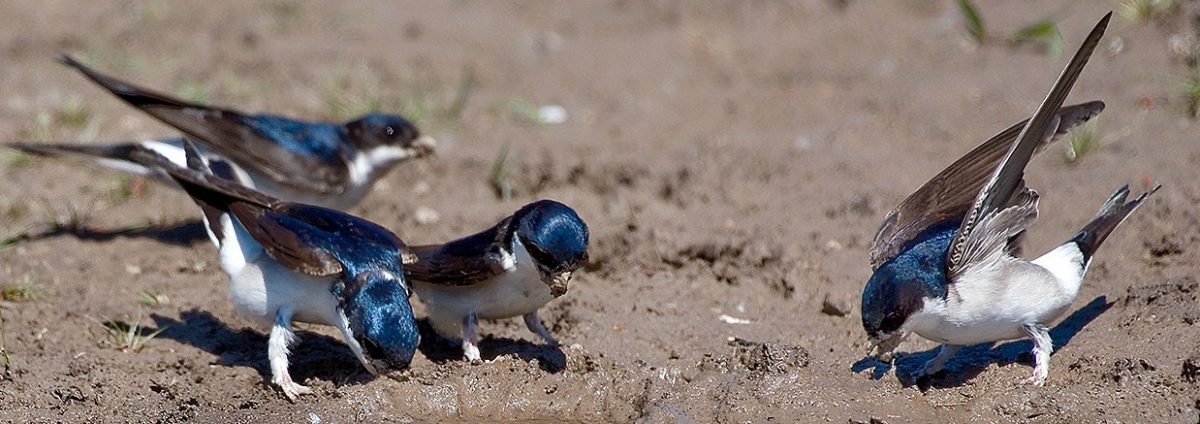
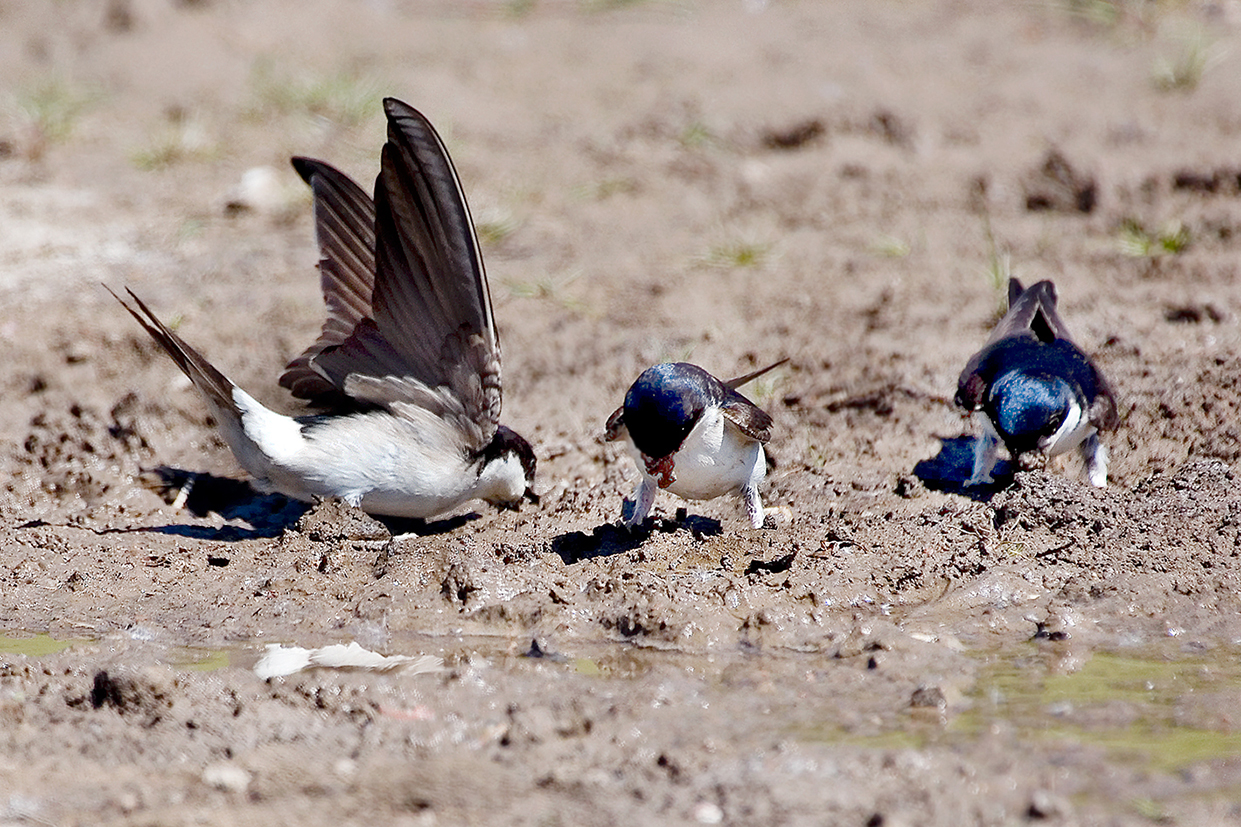
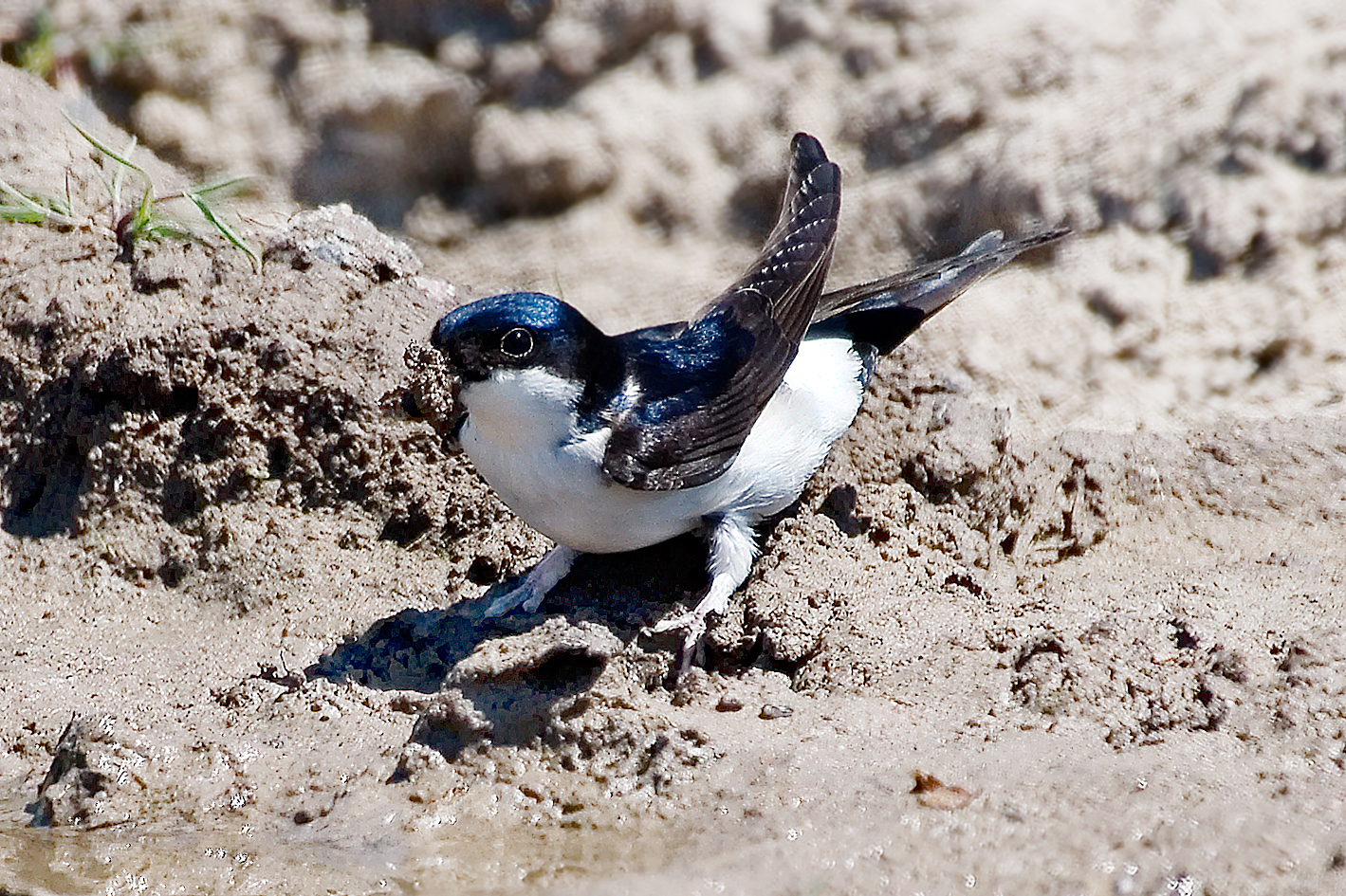
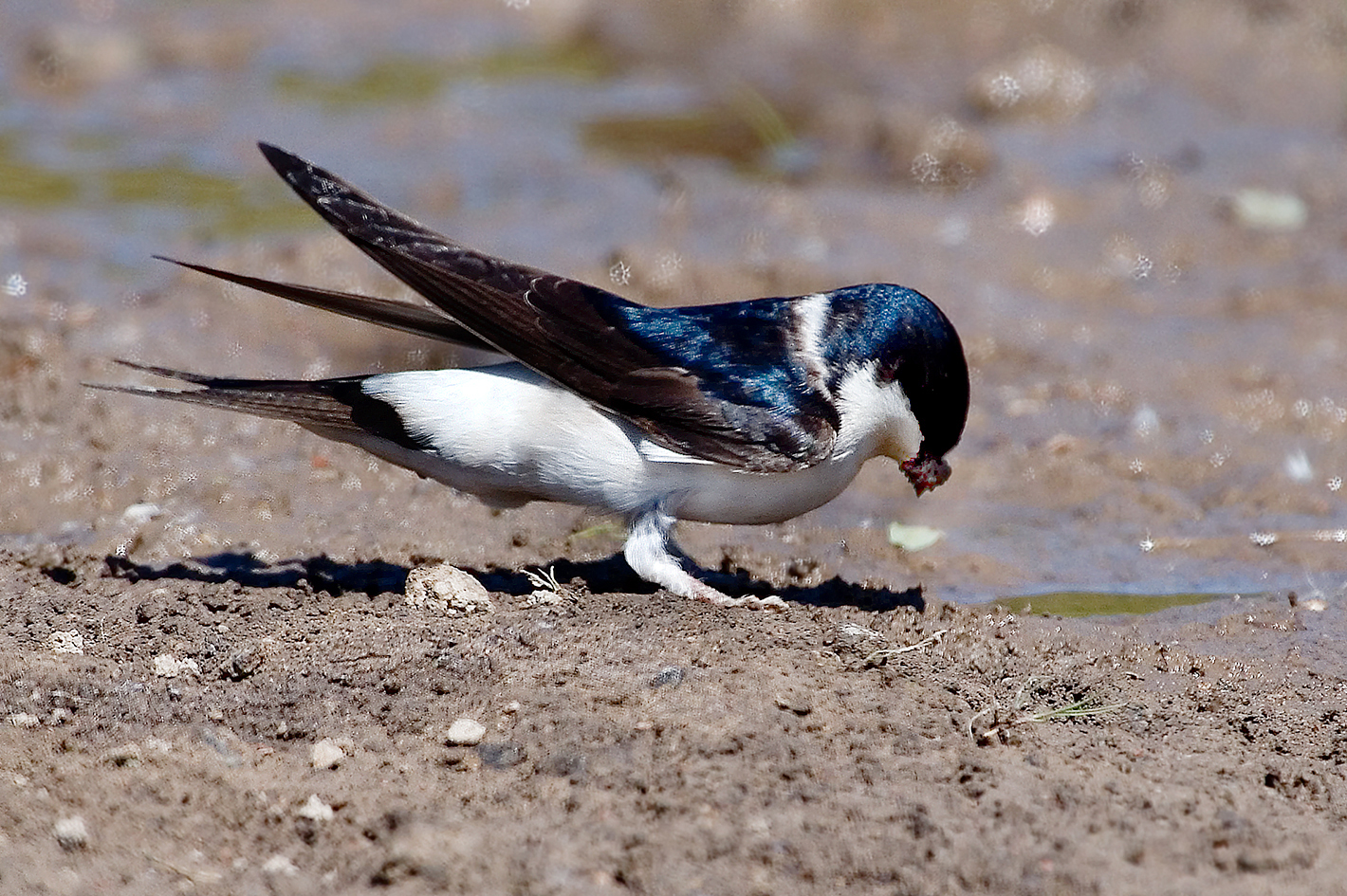
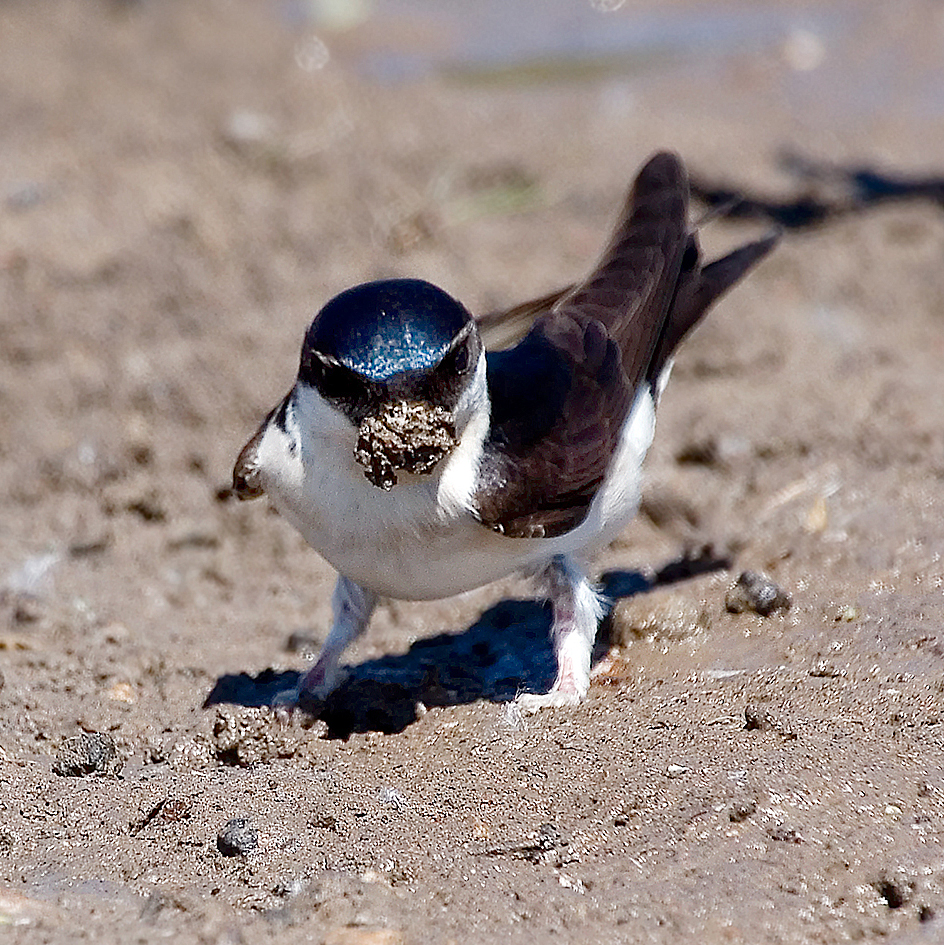
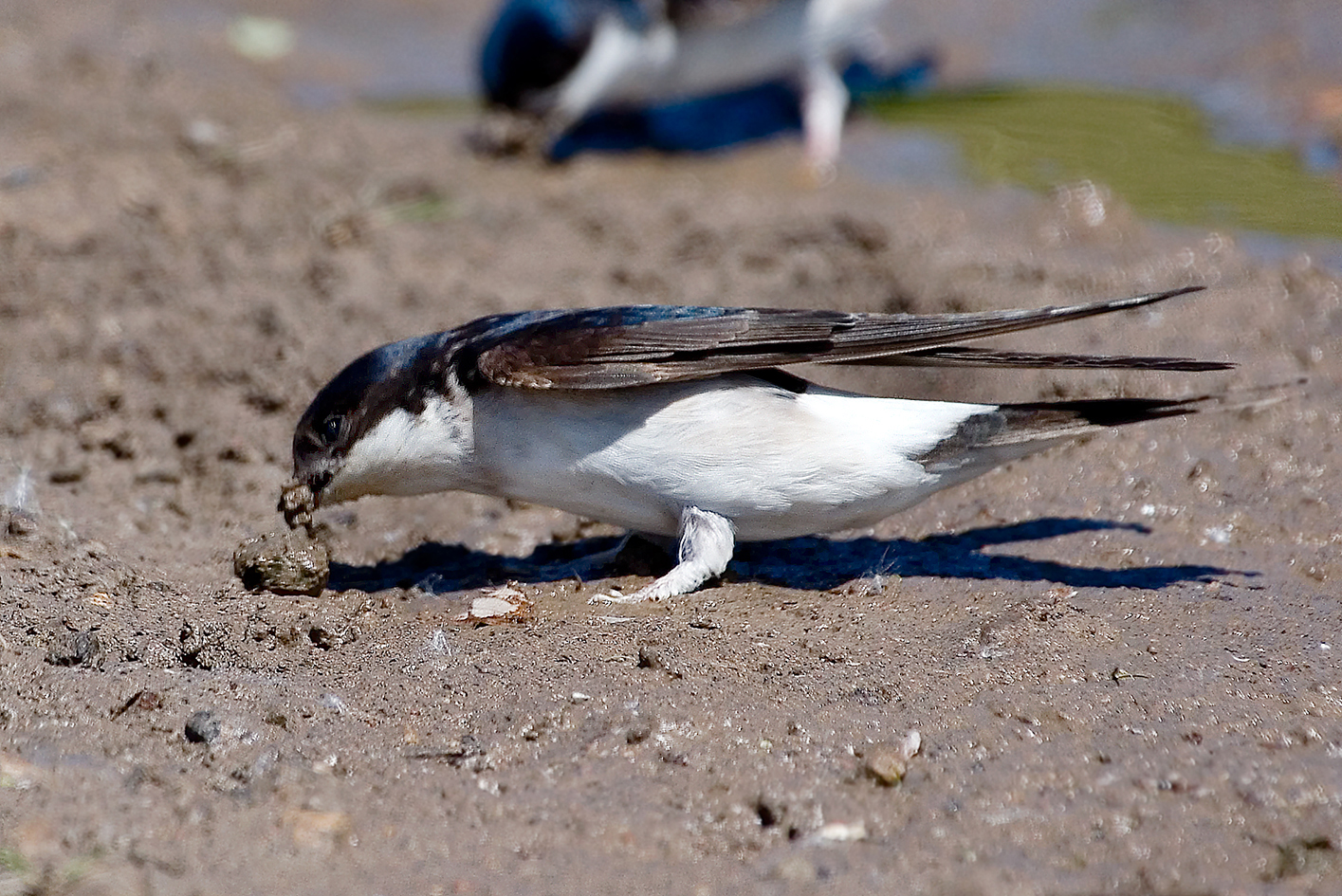
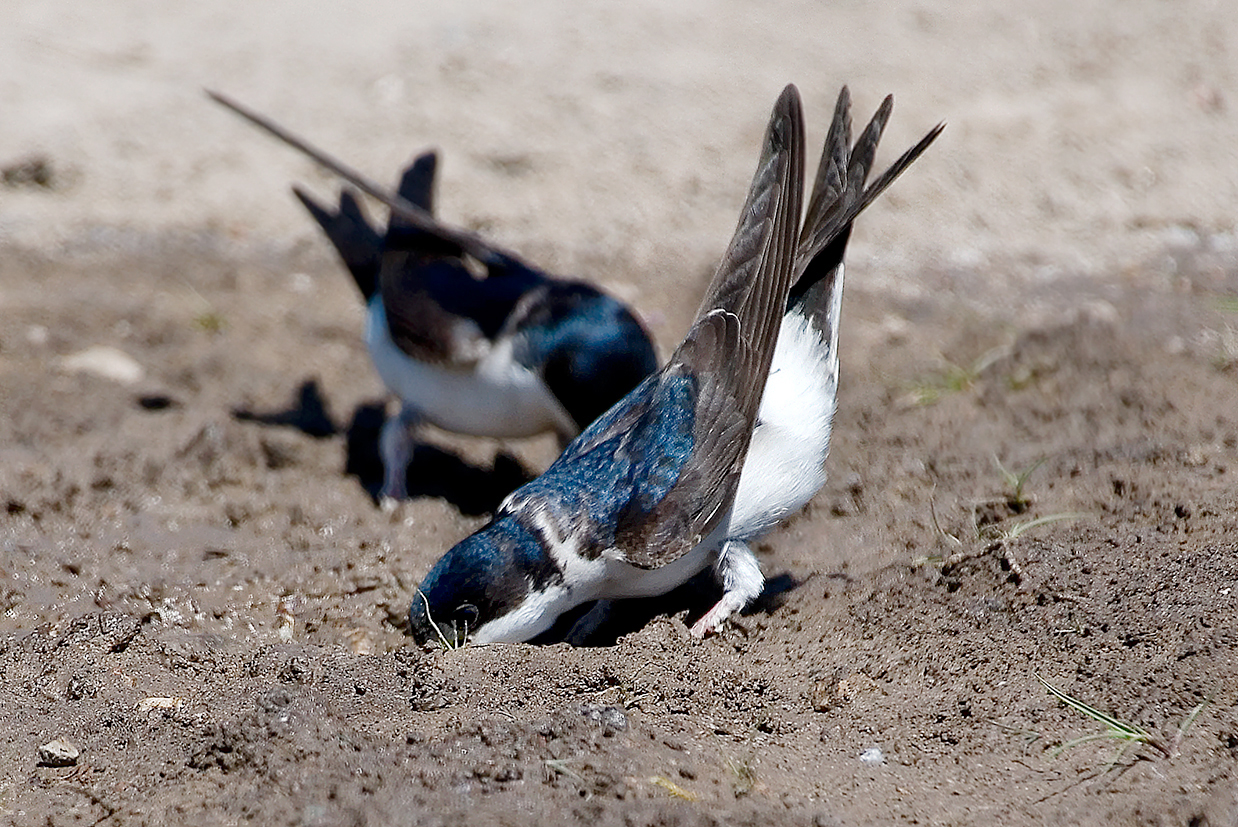
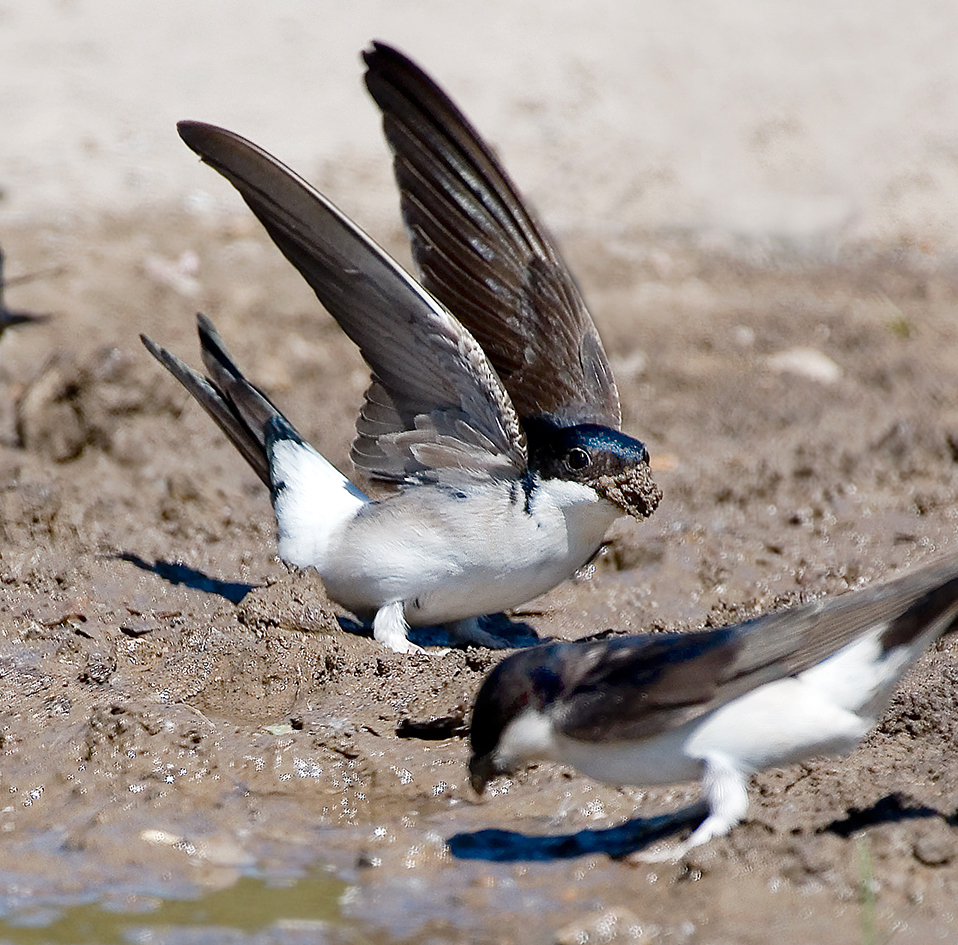
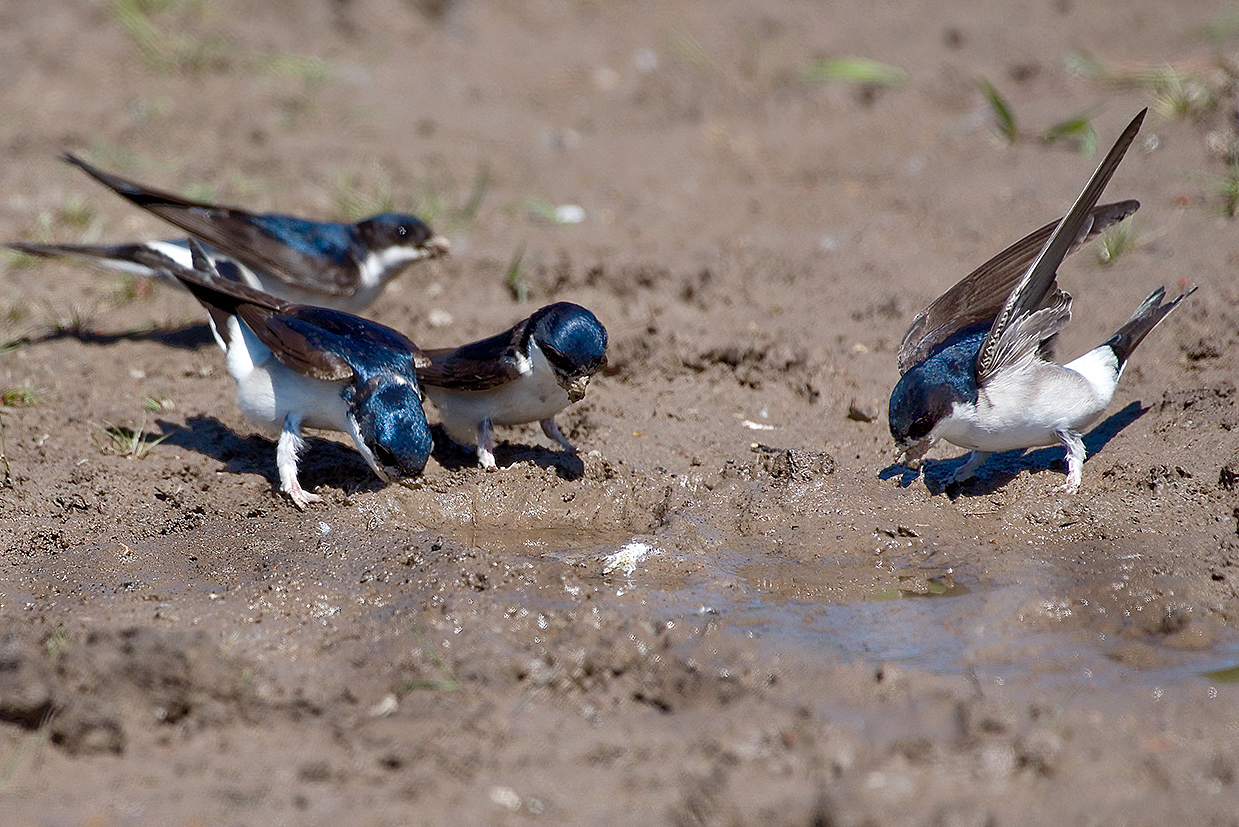
There were Green Woodpeckers calling, one seen in flight; Willow Warblers, Whitethroats, Blackcaps, Chaffinches, Blackbirds were all singing; plus Goldfinch, Magpie and Carrion Crow. I stood enthralled with at least 36 House Martins swooping and descending together to collect mud (see separate post)
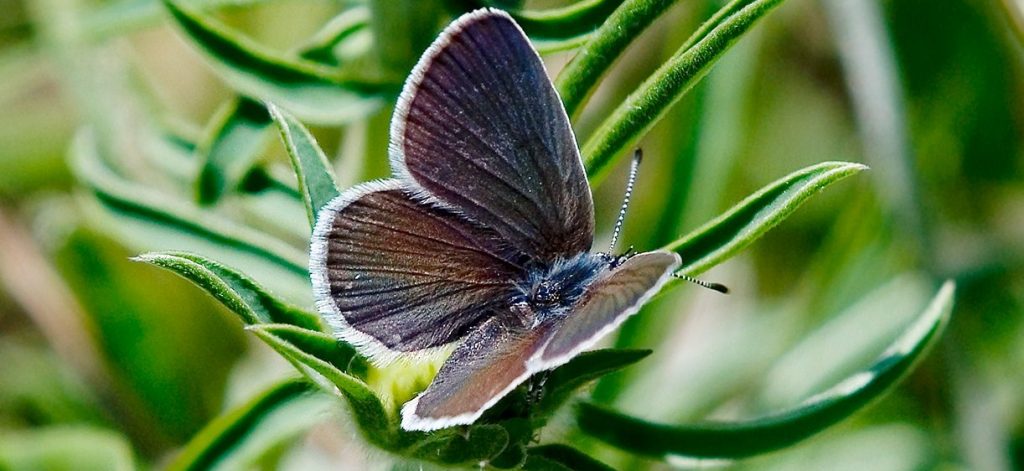
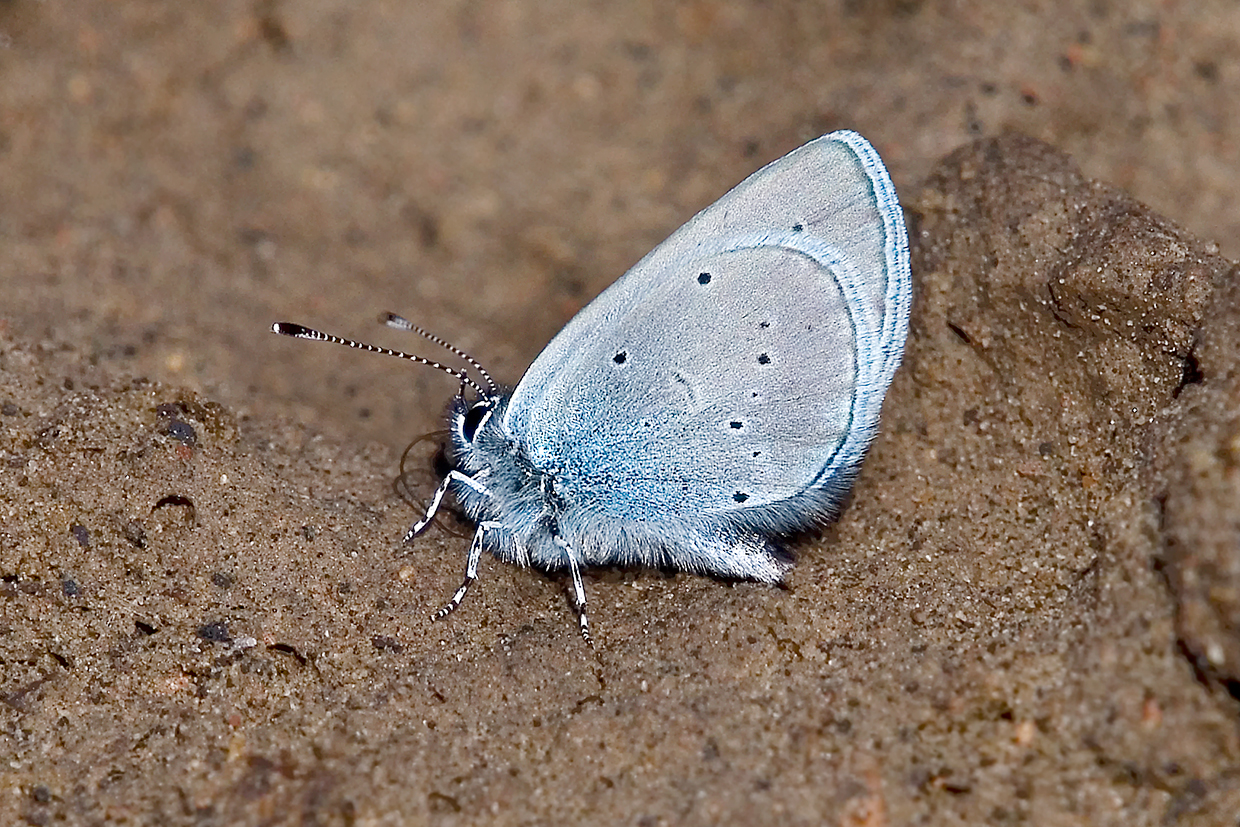
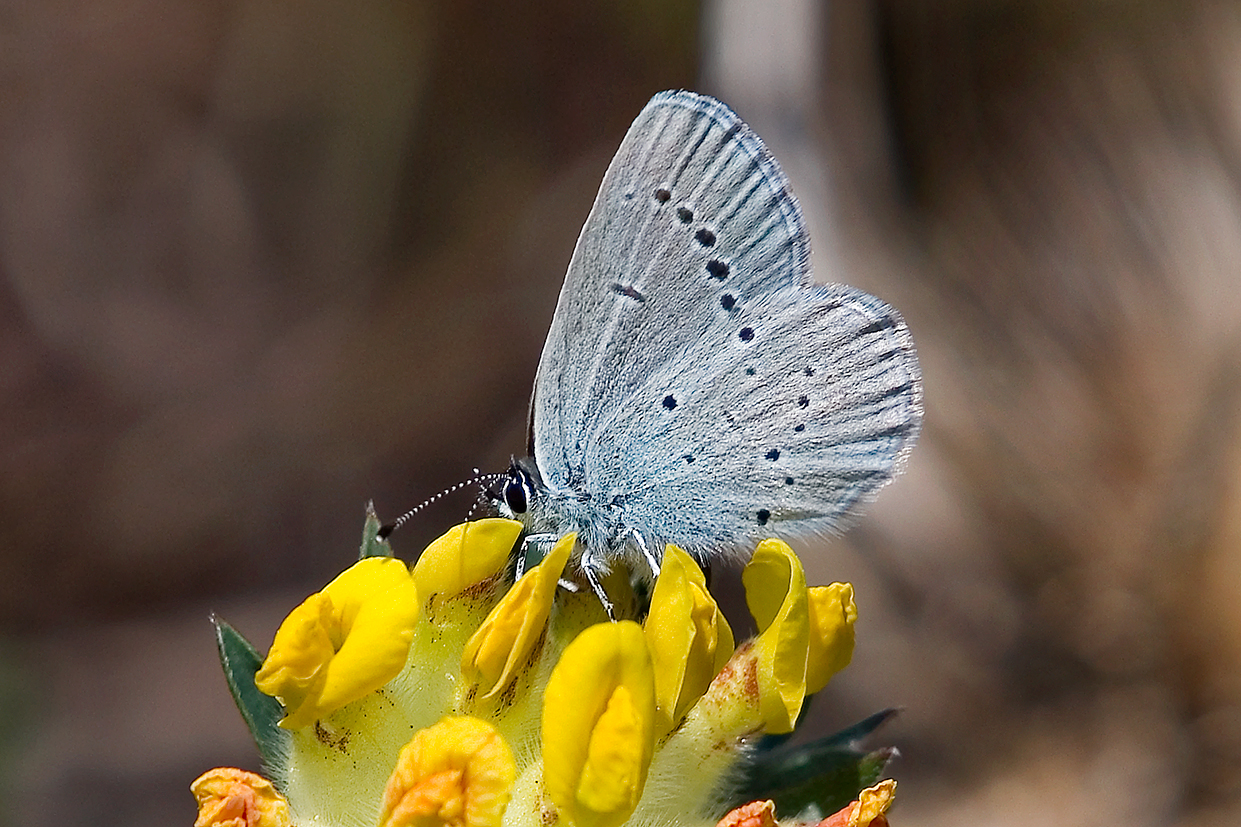
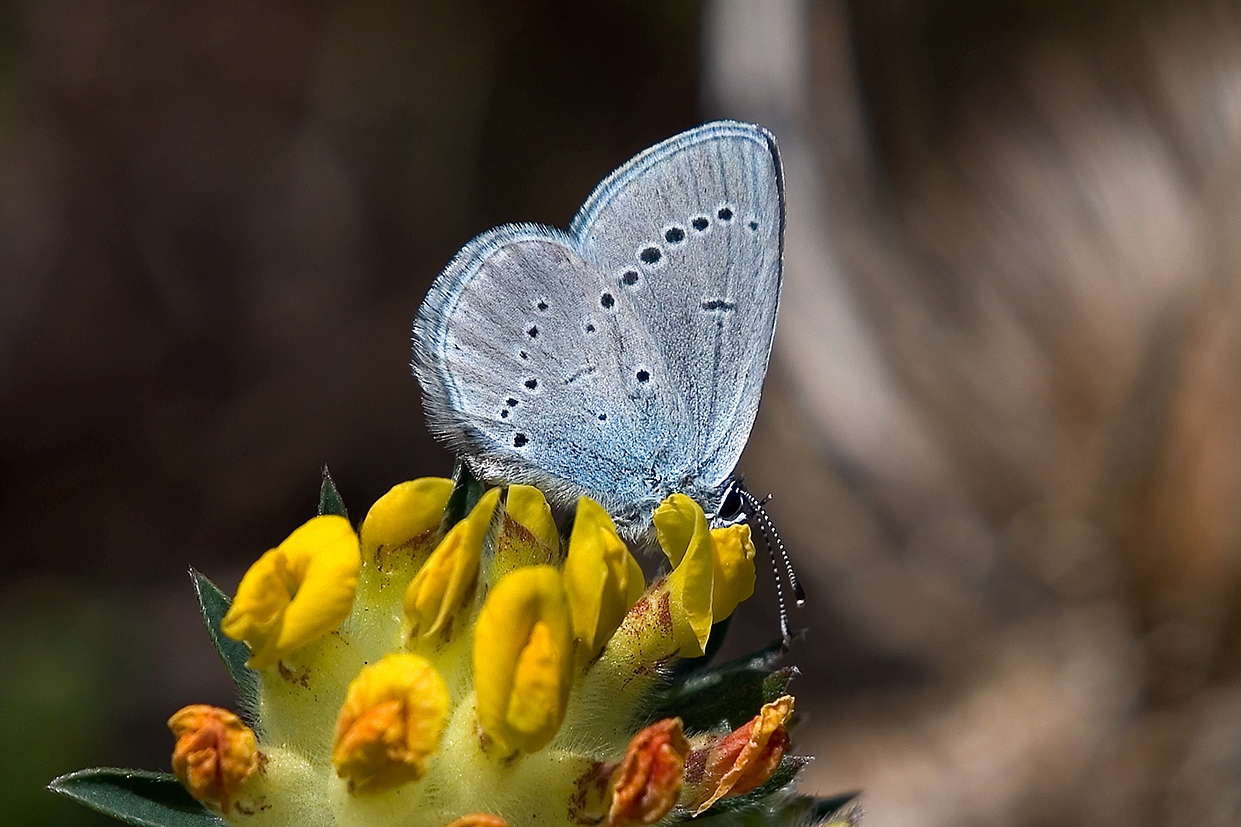
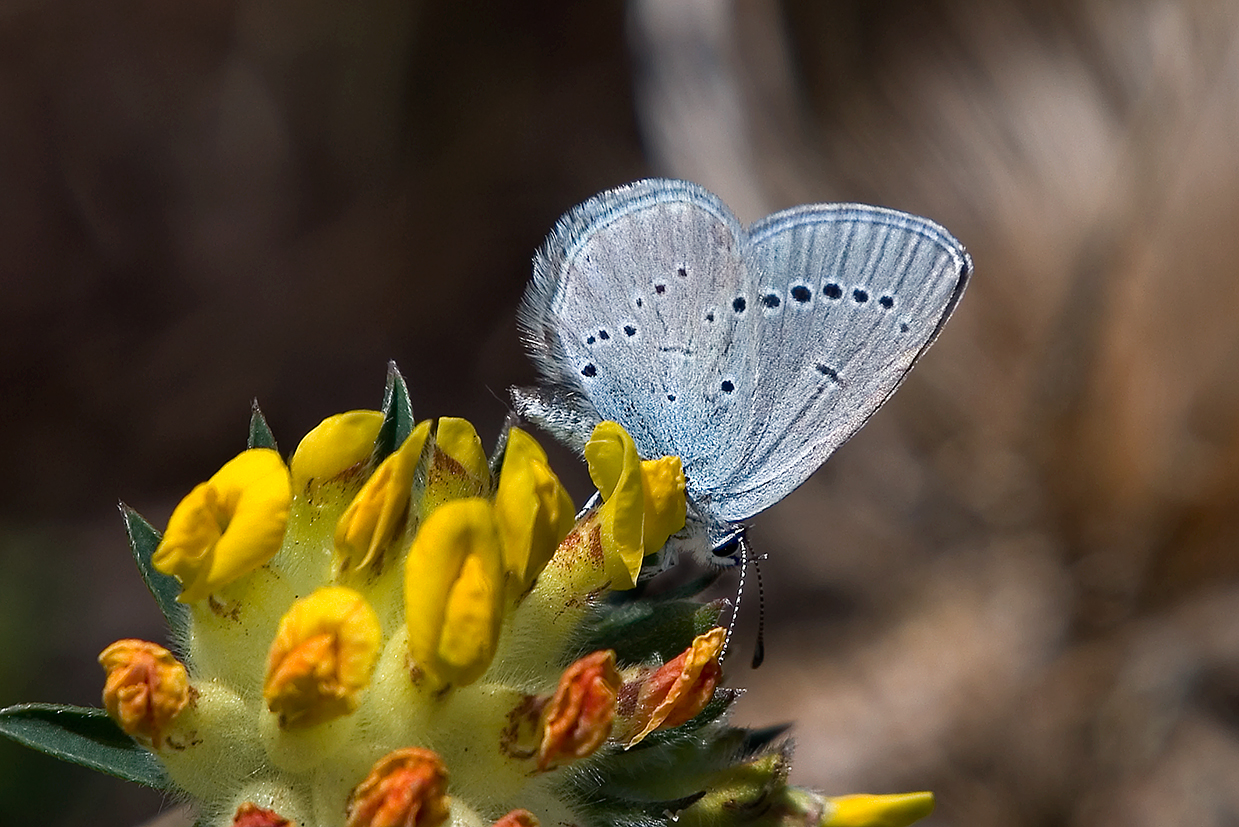
And of course I went for the butterflies, especially Small Blue butterflies. There were 66 Small Blues in total, a very pleasing and encouraging count.
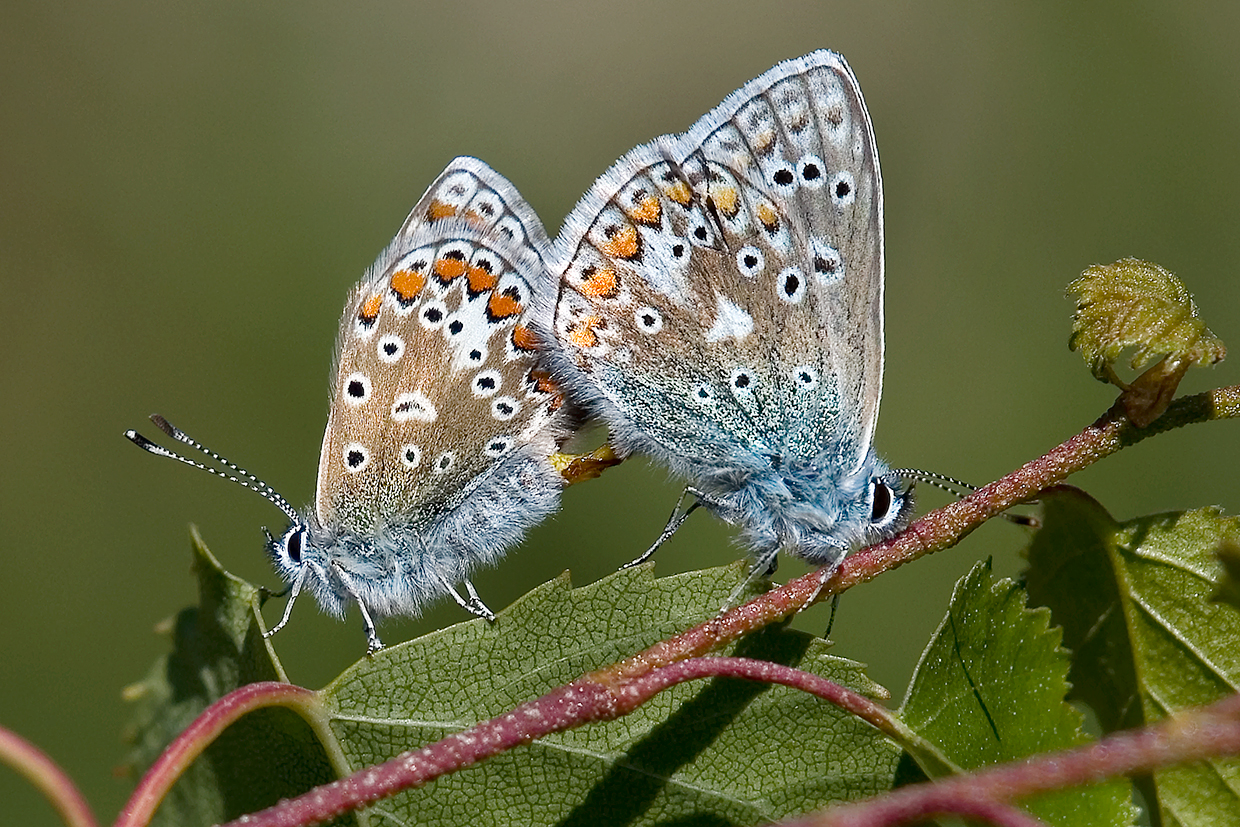
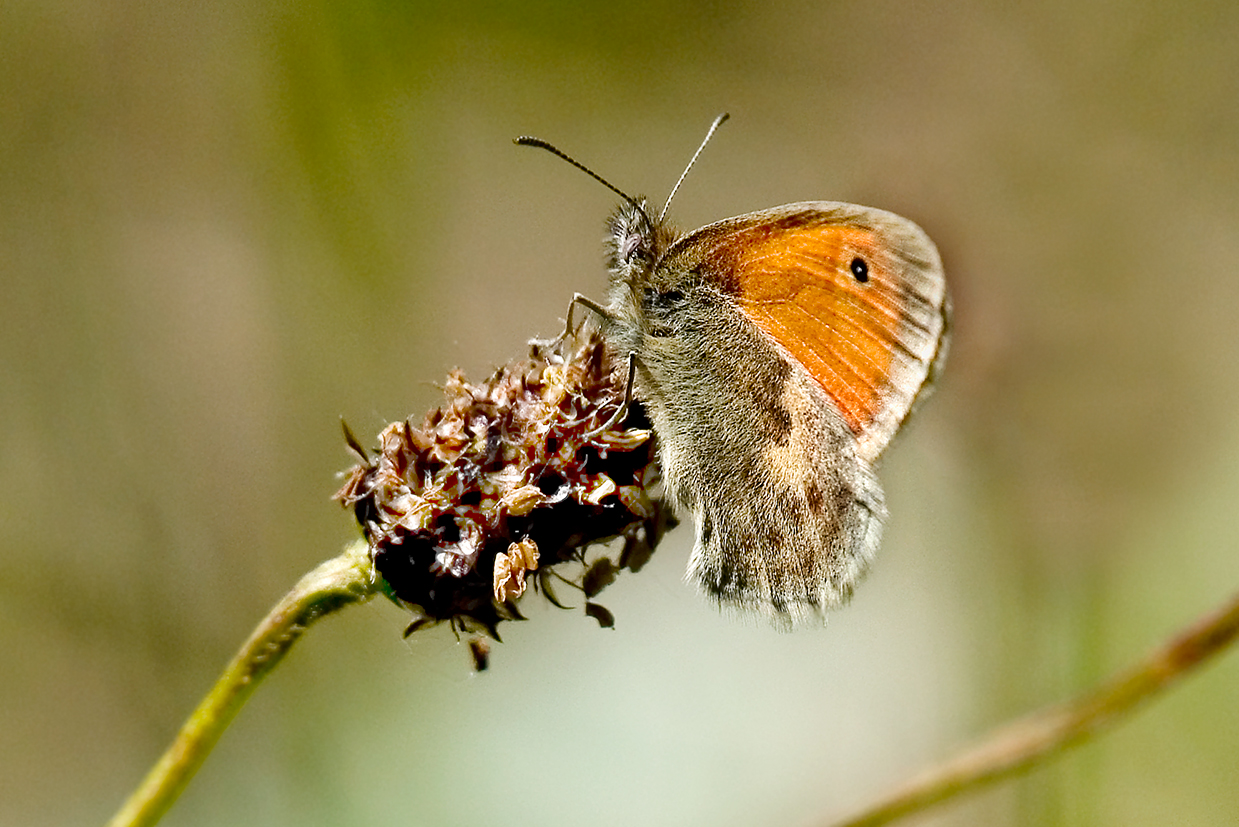
There were 52 Small Heath – they seemed to be everywhere, 19 Common Blue, including no less than three mating pairs – a busy day for the Common Blues, eh! And then three Green-veined White, three Cinnabar moths, eight Small White, a Meadow Brown and a possible Marbled White. However missing from the day – I did not see any Brown Argus or Small Copper, which could have been expected.
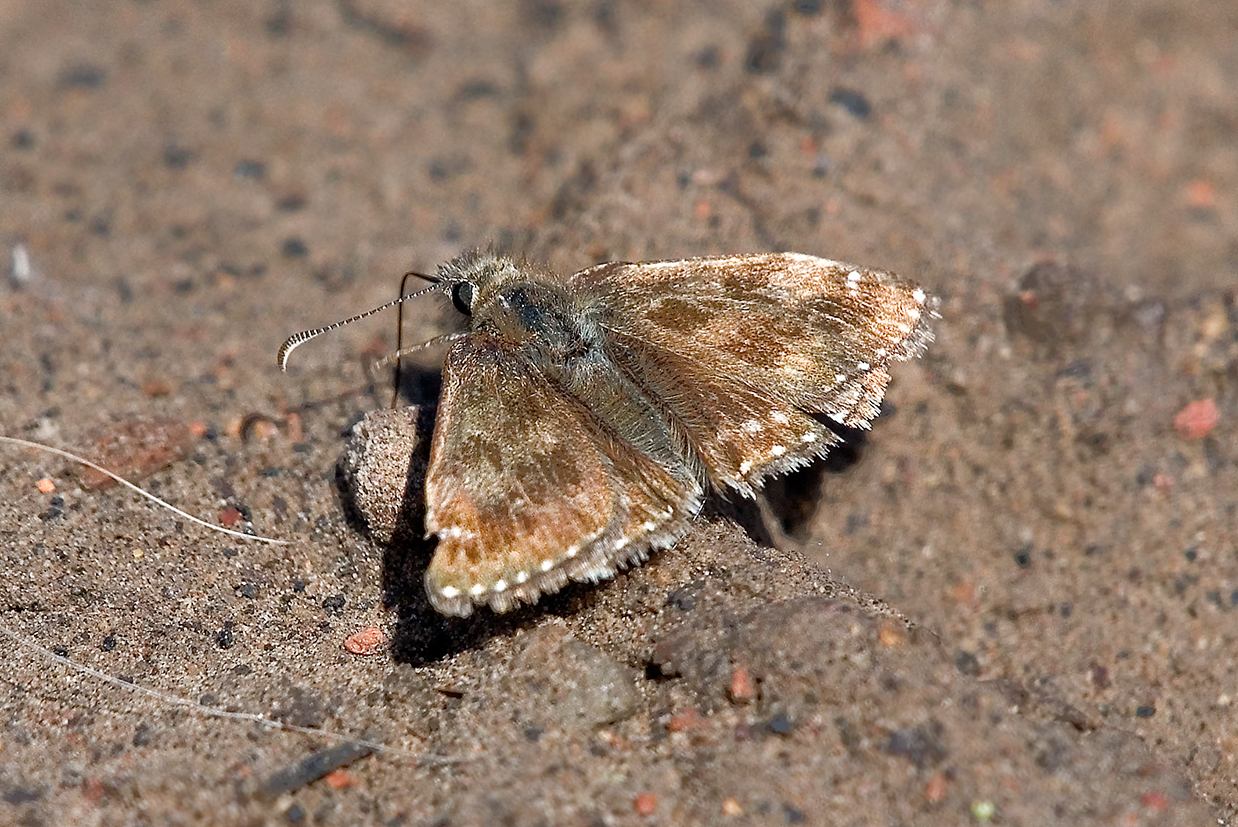
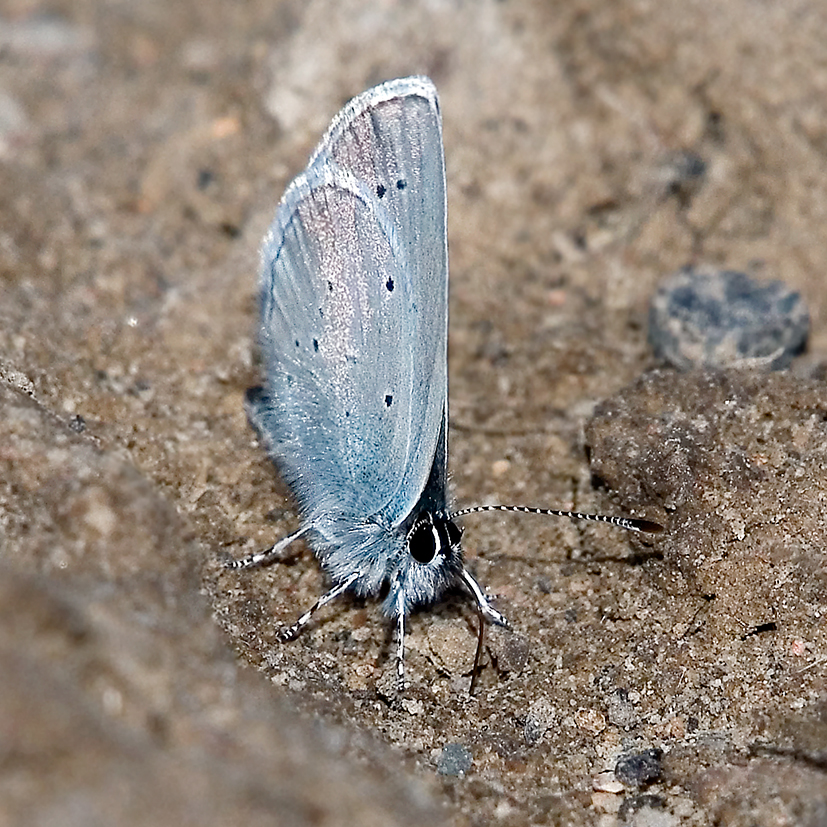
Later, I witnessed a freshly-hatched female Small Blue taking up much needed mineral salts from the wetted track and simultaneously (only a metre away) a Dingy Skipper doing the same.
I came home very weary but in high spirits from such a special day! Alwyn
Enthralled by at least 36 House Martins swooping and descending to collect mud
I stood enthralled and watched at least 36 House Martins swooping and descending together to collect mud (for nesting) from a small area of wet ground and a shallow puddle, created by some sort of leakage running down the side of the track that leads down from the housing estate.
Everywhere was so very dry and this seemed to be the only wet patch in the vicinity. The martins must have been desperate to get their nests made and start laying. Hence the large numbers seen at once. It was an equivalent of a feeding frenzy. Alwyn.
I counted a total of 66 Small Blues on my Bank Holiday Monday excursion -a very pleasing and encouraging count- including a female ovipositing
The Small Blues were difficult to count because they (mostly males) were solar-powered, scurrying about looking for females. Fortunately, the Small Blues don’t travel far before settling, flying low in short bursts only.
Here are some more images taken on the day …
I found almost all of the Small Blues in a particular area where kidney vetch is regenerating very well.
Here’s another image of a Small Blue collecting salts from a muddy patch. Alwyn.
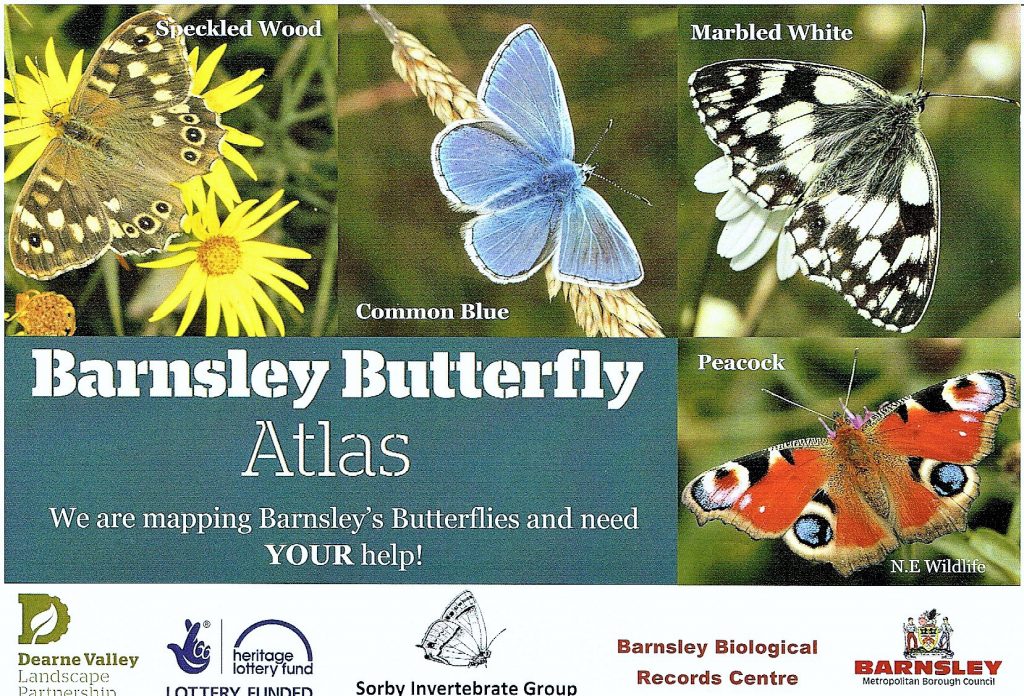
A request for help with the Barnsley Butterfly Atlas …
Following a suggestion from Alwyn, a trustee of the Barnsley Biodiversity Trust, the Barnsley Butterfly Atlas project was launched in May 2017 by Sorby Natural History Society and Barnsley Biological Record Centre, with support from the Dearne Valley Landscape Partnership. The project aims to map the distribution of all the butterfly species found across the area of the borough of Barnsley in the 20 year period from 2000 to 2020. [Perhaps with the lockdown we need an extra year?]
So now we are asked to contribute our records of butterfly sightings … from our usual patch or perhaps somewhere different that has not been recorded so much before.
To get the ball rolling, here are some butterfly records from Peter and Annefie’s walk on Saturday … Date: Saturday 2 May 2020 Location: Falthwaite & Lowe Wood LWS Comment: On Wild Garlic and other flowering plants near Stainborough Dike Grid Reference: 4-figure /1km square: SE3103 [Six-figure reference: from SE318039 to SE314039] Observer: Peter and Annefie Roberts Species: Brimstone (2), Comma (1), Holly Blue (1), Orange-tip (Males & Females, numerous), Small White (numerous), Speckled wood (1).
We will send them to Barnsley Biological Record Centre (BBRC): [email protected]. [Note the change of email address during the lockdown]
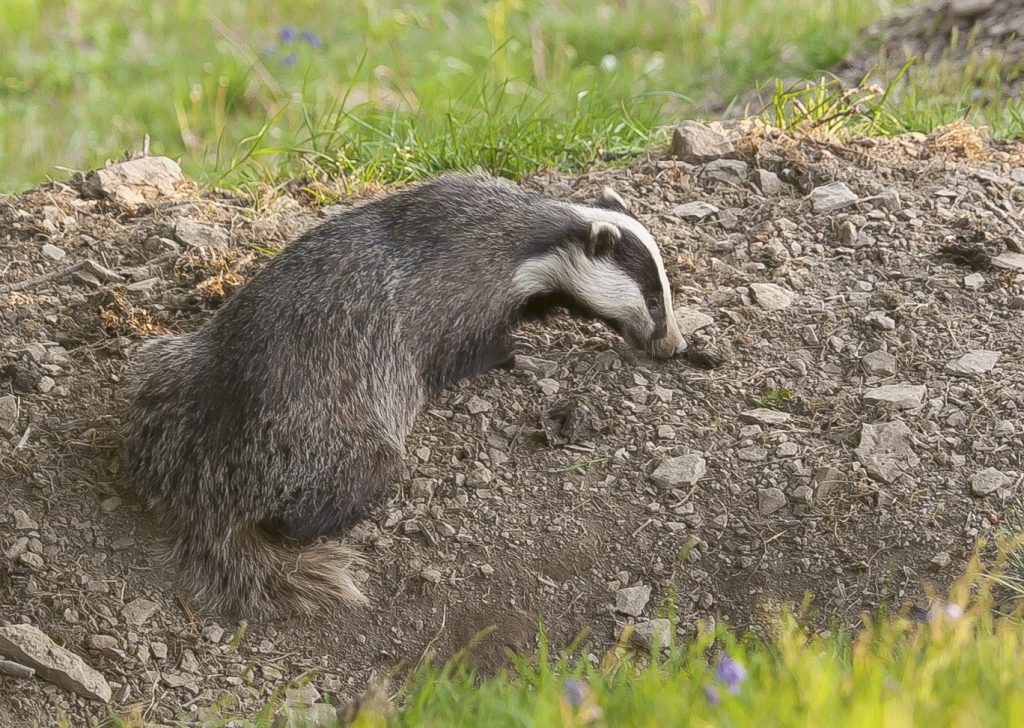
From Ron. Since we have a bit more freedom now from our lockdown I have started visiting ‘my’ Badgers again, the first time this year.
From Doug. A couple of things to report from South Yorkshire Buildings in Silkstone Common.
We have been seeing Large Red Damselflies in the back yard where we have a small pond; we could not find any evidence that they had emerged from the pond until Friday when we found an exuvia.
A neighbour told me that he had rescued a Grass Snake from a cat. He returned the snake to the gardens where it apparently was none the worst for its encounter!
From Colin and Linda. Our Barn Owls are leaving the nest box earlier and earlier. On May 21st they returned to the nest box seven times with a rodent in 90 minutes! We read that modern boxes have a raised entrance to prevent chicks falling out. Unfortunately our old box does not have this feature. We are trying not to worry!
Moths. Colin’s birthday moth trap was finally premièred. At 2 am we had to switch it off because of rain. Nevertheless we still had a male Poplar Hawk moth, a Brown Silverline, a Common Swift and a yet unidentified individual.
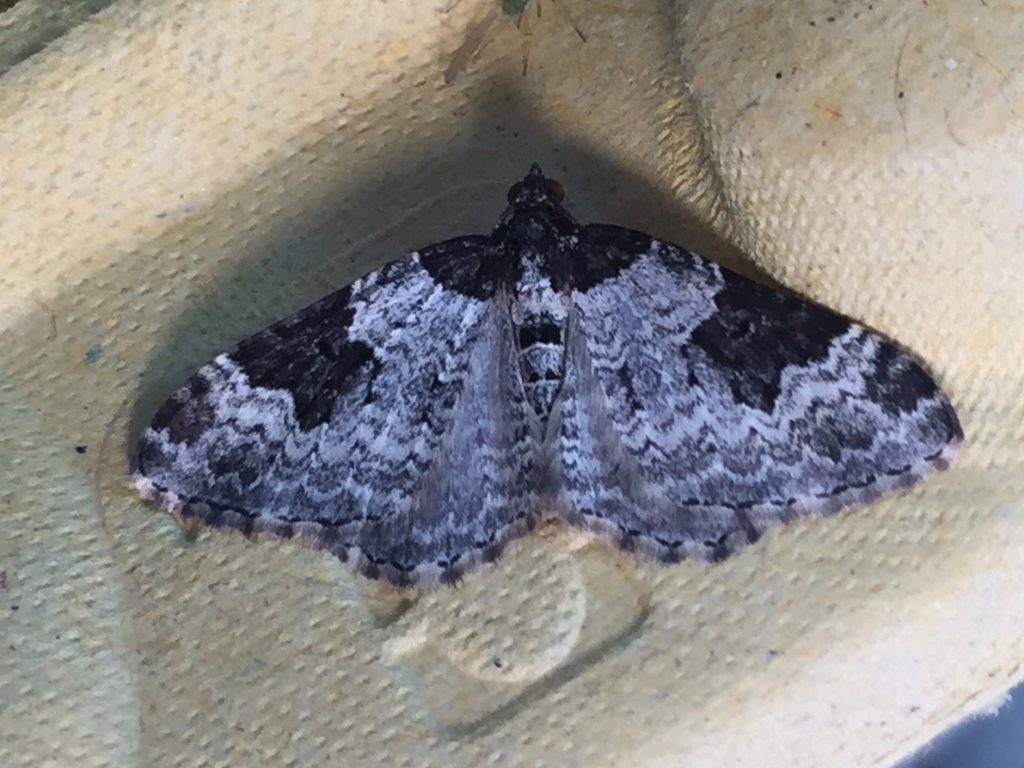
Pete Wall has a moth trap in Ardsley and has sent us these images.
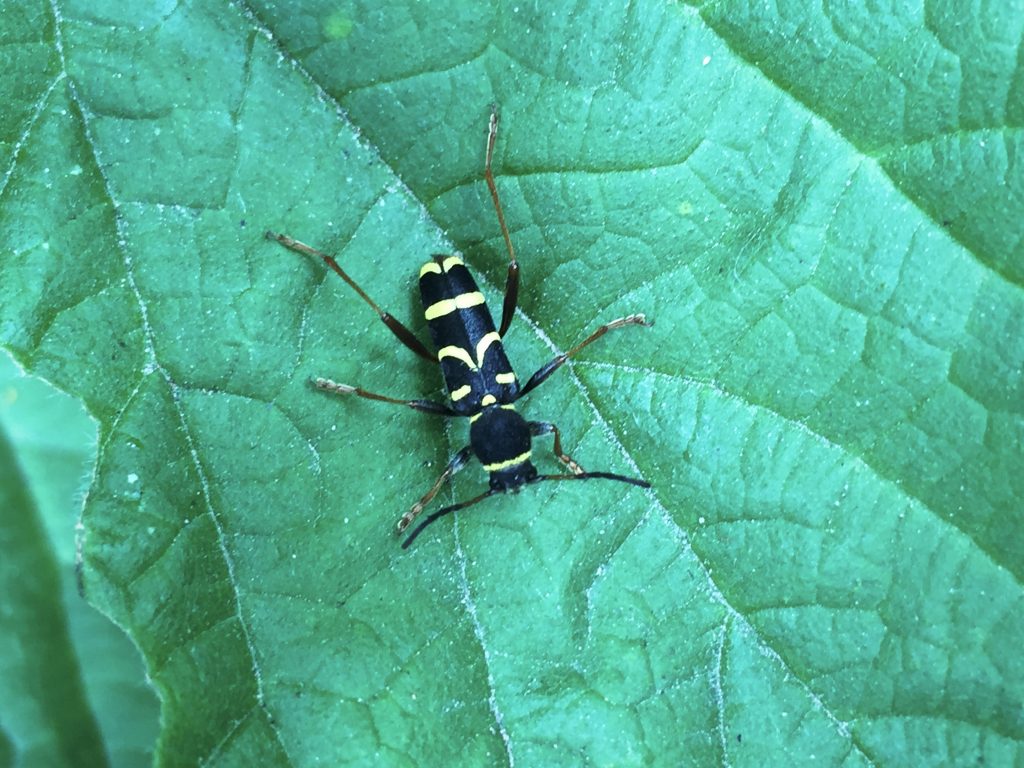
Small Magpie Moth and Garden Carpet he thought but ‘there are about 200 that all look the same to me or at least all equally dissimilar’! However Kent and Doug say that Pete’s ids were right. Pete also had the wasp beetle Clytus arietus.
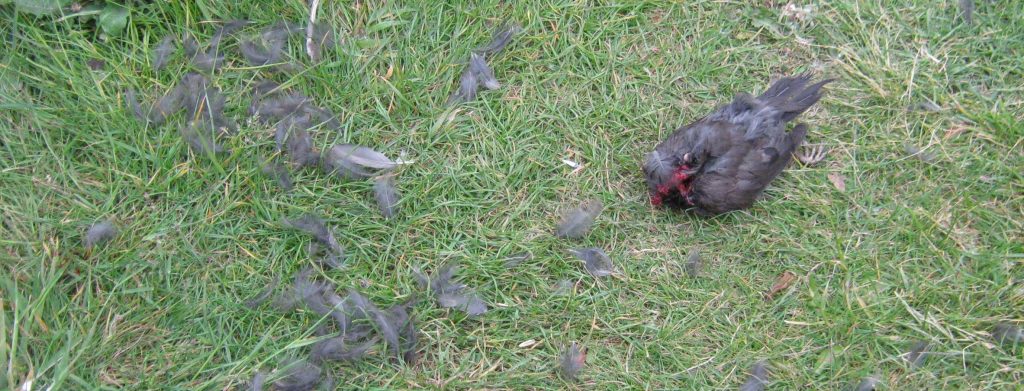
Kent also found evidence of a Sparrowhawk in his garden. It must have been disturbed!
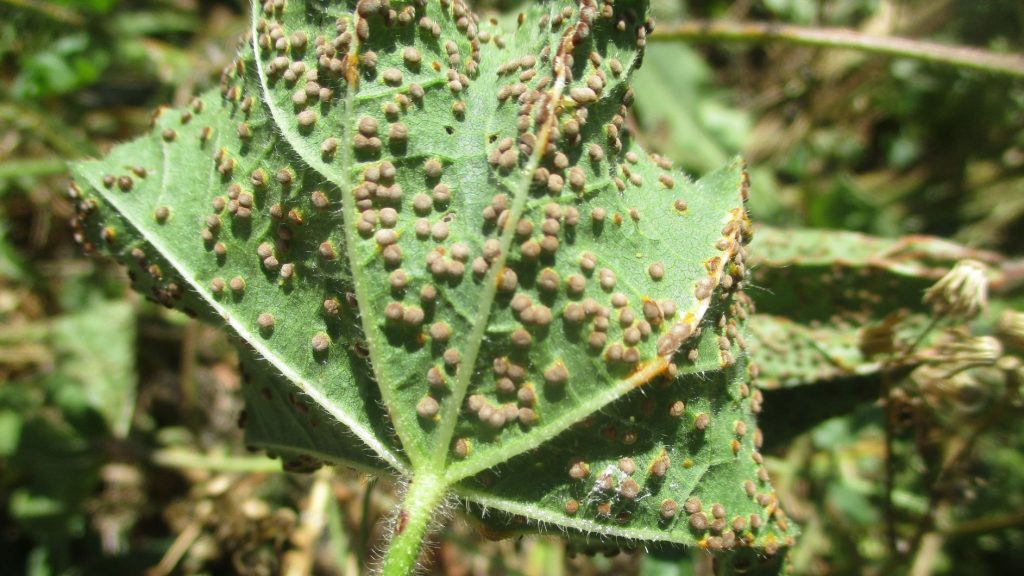
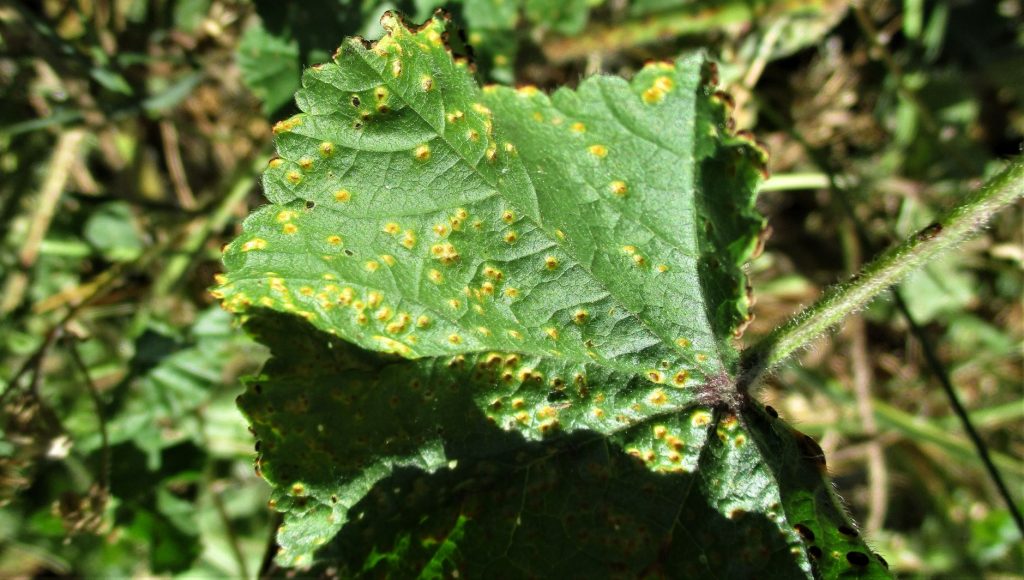
From Arthur and Pat. Not a great deal this week! We had a stroll through the Dearne Valley woods and on the way near Rotherham road we did find a clump of Common Mallow – I think it’s the first time we’ve seen it in this area. It was heavily infected with Mallow or Hollyhock Rust galls.
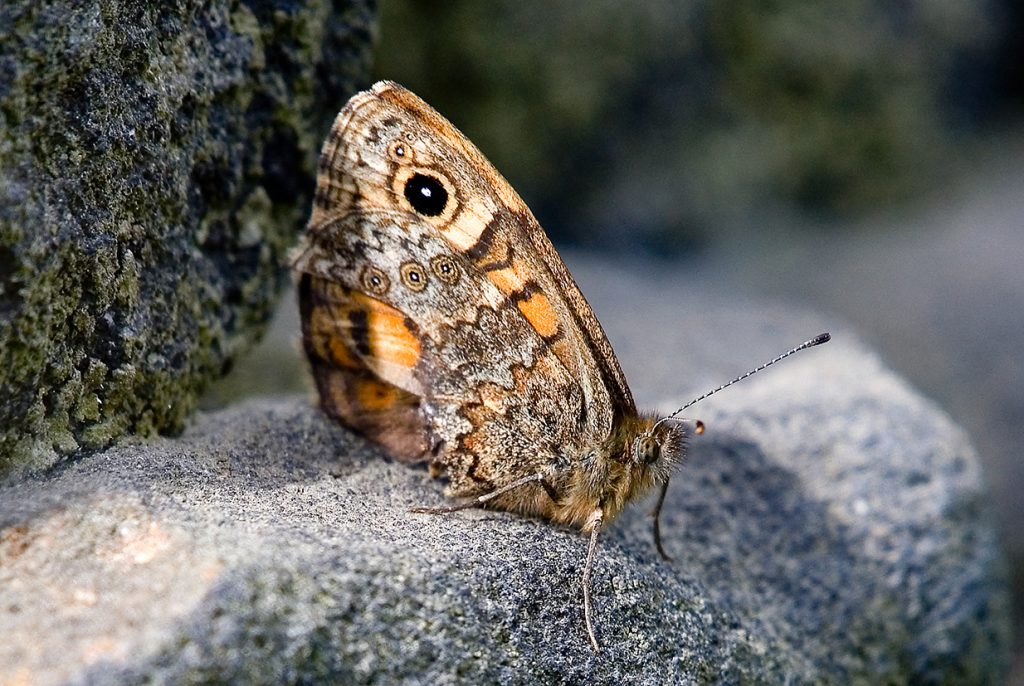
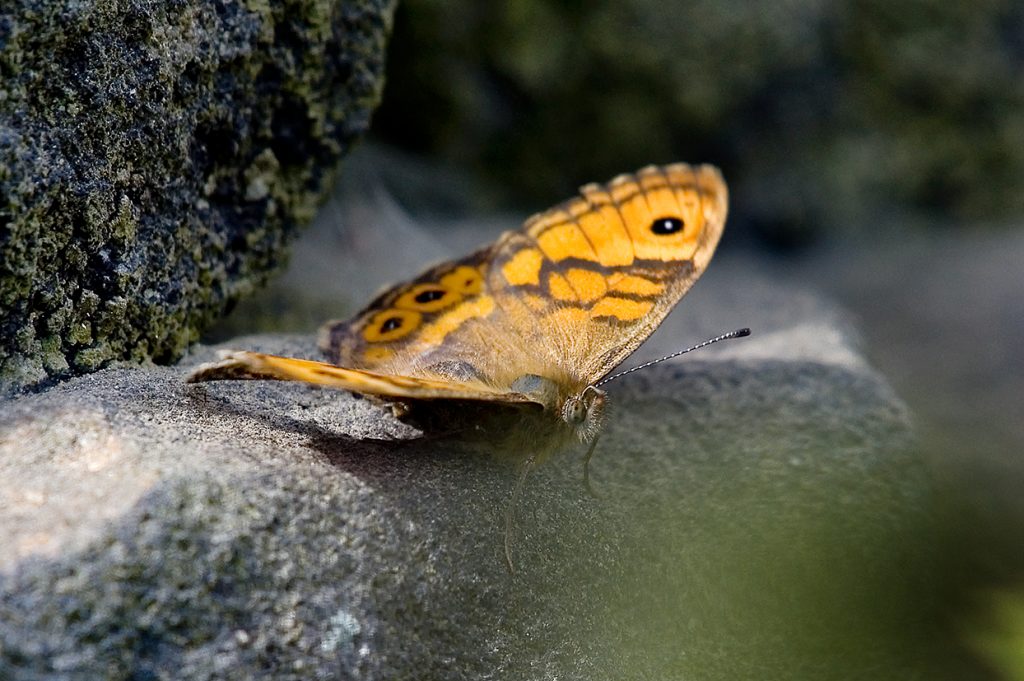
From Alwyn. I went for a short walk locally, denied me for months. I went to Cross Lane between Penistone and Thurlstone, where I’d seen the Bradenfelda aberration of the Wall Brown butterfly. I was out for almost an hour, in the breezy air, warm sunshine. I saw three Wall Browns, nine+ Small Whites, an Orange Tip, a Small Tortoiseshell and a Peacock butterfly. Overhead were eight or nine Swallows and in the field four or five Lapwings. What Joy to be out and about again, at last! Here are two Wall Brown images:
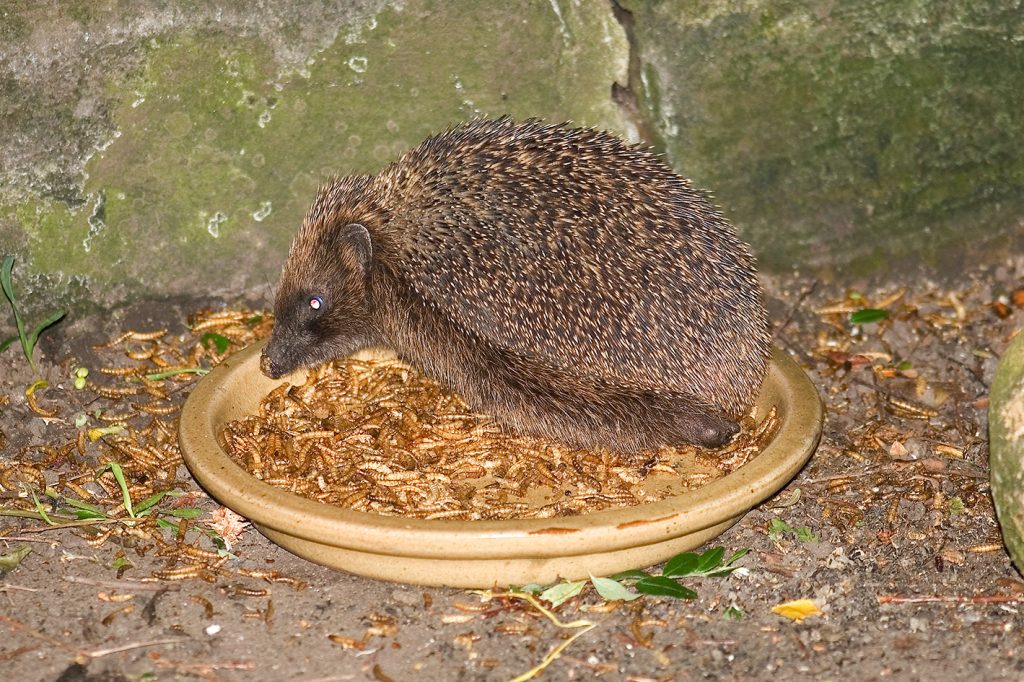
Hedgehogs … On Thursday 21 May, about 10.15pm, I watched SIX Hedgehogs feeding together in my very small garden. They were jostling for position to get closer to the food that I put out nightly; no social distancing there! Normally, I’m only seeing three at a time but I have always suspected more – lots of Hedgehog poo continues to litter my garden! The best count I’ve ever had!
Varying sizes but too early for young Hoglets just yet – varying ages, perhaps? May is the courting and mating month. Babies are then born in June and remain in the nest. In July, mother and babies leave the nest together. In August, the Hoglets become independent. Something to look forward to in the coming months. Amazed and thrilled!
From Stuart. Lynn and I have continued our daily walks near Penistone but we have nothing new to report, that does not mean to say it has not been interesting – because it has – and you would have to have a heart of stone if the song of a Blackcap hiding deep in brambles or a Swift screeching overhead did not bring a smile to your face.
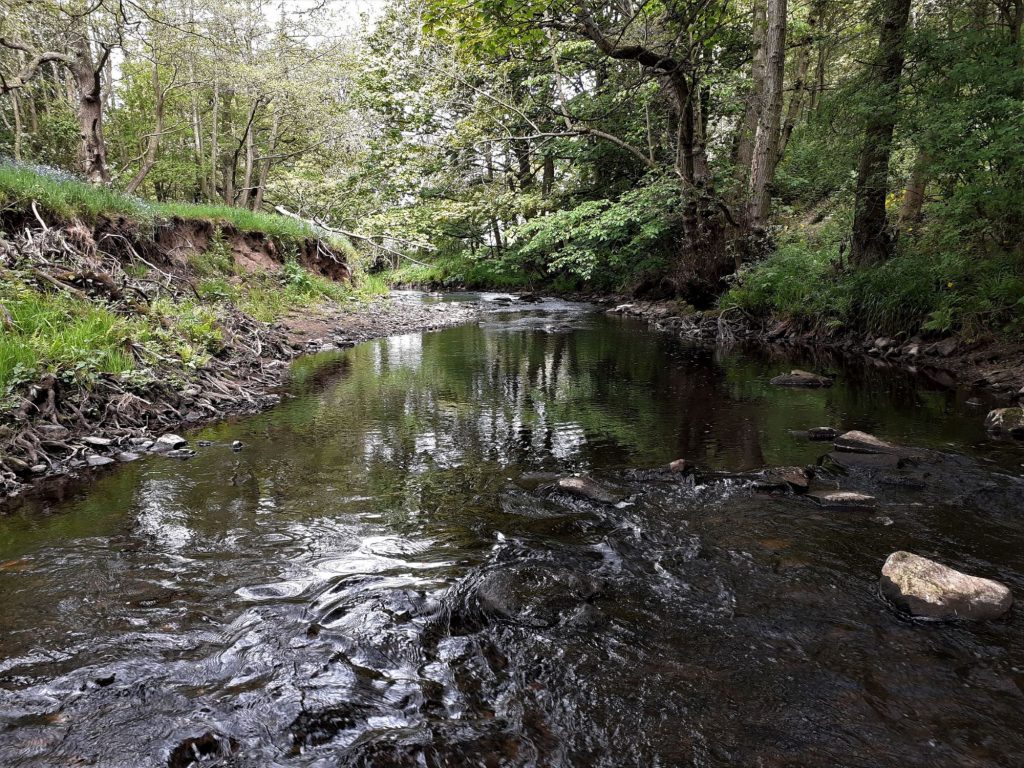
With changes to lockdown, I have been allowed to go out fishing and fortuitously I have access to some lovely stretches of the River Don around Penistone, with as a bonus, a jewel of a bird, the wonderful Kingfisher.
This also gives me the opportunity to start recording some of my favourite insects: namely mayflies, stoneflies and caddisflies. So in this past week I have recorded the following mayfly species (at the adult stage) within the Penistone area; Baetis rhodani, Baetis muticus, Paraleptophlebia submarginata and Rhithrogena semicolorata .
Please note that the photo is of the insect sat on a small stone that I have picked up. You NEVER pick mayflies up by the wings even though it looks the obvious choice. If you do you may as well just kill it because the wings are that delicate they will be damaged at a microscopic level and are then unable to complete their lifecycle.
I will keep recording on the river and see what else turns up over the coming weeks as many species have short flight periods and as one species fades another will start to peak.
From Pete Wall. I would like to thank everybody who voted for Willow Tit in the Yorkshire Wildlife Trust online “Wildlife World Cup of Yorkshire” We won, Yaaay! -bringing a bit more awareness of Willow Tits and Barnsley Wildlife in general!!
We have also secured some more funding for YWT volunteers to work on the current and possibly more Yorkshire Water sites in Barnsley. I’m looking at YWS Wombwell and Cheesebottom on the Don as potential new ones. It’s great that the Yorkshire Water sites are turning up some good records! Thanks everyone, that really helps!
Yorkshire Wildlife Trust are also doing a garden ‘Bioblitz’. I thought Barnsley Nats and Biodiversity people would like to participate. Apart from showing what great wildlife we have I would like to demonstrate how enthusiastic Barnsley folk are to the rest of the Yorkshire Wildlife Trust! Also it would be great if some of our experts would offer their services to help ID? It’s on Saturday and Sunday 20th – 21st June.
“We’re on a mission to discover how many different wildlife species we can collectively record in Yorkshire, in 24 hours! We’re challenging folk in every corner of Yorkshire to look for and record what they can see from their own doorsteps. Whether that’s looking and listening out of a window, peering into and under pots and window boxes, exploring the nooks and crannies of a terraced yard, or scouring a leafy garden – we want to know what you see and where you see it!”
Barnsley Nats posts on both twitter [and more occasionally facebook]. You can see what we post, ‘retweet’ and ‘like’ on our social media page.
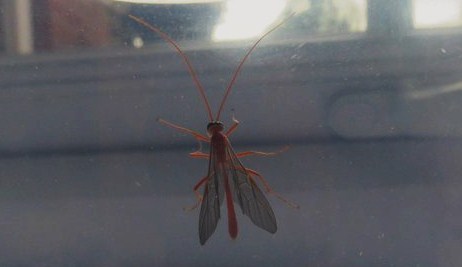
A twitter post tagged @Barnsley_Nats with an image to identify recently had us thinking. Kent and Doug agreed it was a type of ichneumon wasp. However these are notoriously difficult to id at species level without using a microscope …